Sugar dating and escorting are two forms of transactional relationships that have gained popularity in recent years. These relationships involve an exchange of money, gifts, or experiences for companionship, intimacy, or sexual favors. While they may seem similar on the surface, sugar dating and escorting have distinct differences in terms of the power dynamics and gender roles involved. In this blog post, we will explore the evolution of gender roles and power dynamics in these relationships and how they reflect larger societal changes.
The History of Transactional Relationships
The concept of transactional relationships is not a new one. Throughout history, there have been instances of individuals providing companionship or sexual services in exchange for money or material goods. In ancient civilizations, courtesans were highly sought after for their beauty and charm, and were often financially supported by wealthy patrons. In more recent times, the concept of prostitution has existed, with women selling sexual services to men in exchange for payment.
However, in traditional prostitution, the power dynamic is heavily skewed towards the client, who holds the financial control and often dictates the terms of the encounter. This reflects the patriarchal societal structures that have been in place for centuries, where men are seen as the providers and women are expected to be submissive and dependent.
The Rise of Sugar Dating
With the rise of feminism and the increasing awareness of gender equality, traditional prostitution has faced criticism for perpetuating harmful gender stereotypes and reinforcing male dominance. This has led to the emergence of sugar dating, which is often seen as a more modern and mutually beneficial alternative.
In sugar dating, there is still an exchange of money and gifts, but the relationship is more nuanced and complex. The sugar daddy or mommy is typically an older, wealthier individual who provides financial support and mentorship to a younger, attractive partner. This relationship is often more emotional and less transactional, with both parties enjoying each other’s company and engaging in activities beyond just sex.
The Power Dynamics in Sugar Dating
While sugar dating may seem like a more equal relationship compared to traditional prostitution, it is not without its power dynamics. The sugar daddy or mommy holds the financial power, and this can create a power imbalance in the relationship. The sugar baby may feel indebted to their partner and may feel pressure to fulfill their desires in order to maintain the financial support.
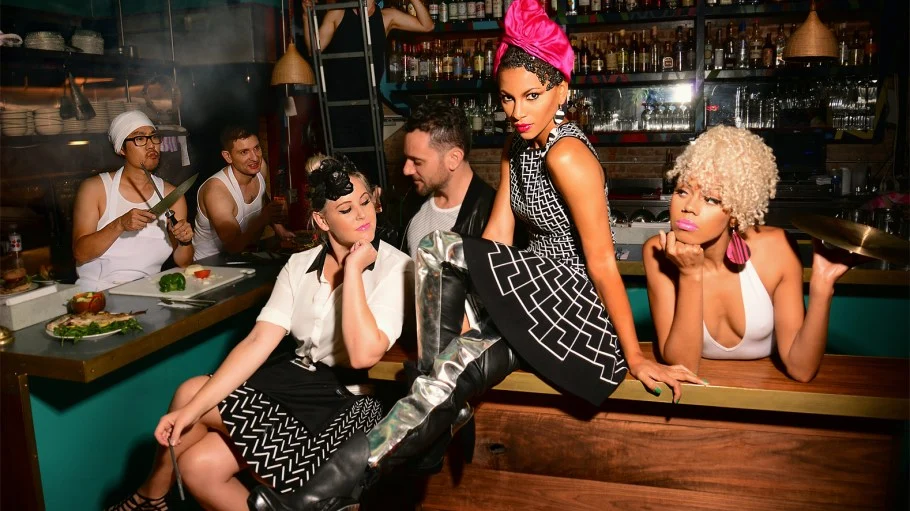
Sugar Dating and Escorting: The Evolution of Gender Roles and Power Dynamics
Moreover, there is also a gendered aspect to sugar dating. The majority of sugar daddies are men, while sugar babies are often women. This reflects the larger societal expectation that men should be the providers and women should be the ones seeking financial support. This perpetuates traditional gender roles and reinforces the idea that women are dependent on men for financial stability.
The Evolution of Escorting
While sugar dating has gained more mainstream acceptance, escorting still carries a stigma and is often associated with illegal activities. However, the idea of escorting has also evolved in recent years. With the rise of social media and online platforms, independent escorts have gained more control over their services and have the ability to set their own terms and boundaries.
Unlike traditional prostitution, where the client dictates the terms of the encounter, independent escorts have more control over their business. They can choose who they want to work with, set their own rates, and have the freedom to say no to any requests that make them uncomfortable. This allows for a more equal power dynamic, with both parties having the autonomy to negotiate and consent to the terms of the encounter.
The Impact on Gender Roles and Power Dynamics
The emergence of sugar dating and the evolution of escorting have had a significant impact on gender roles and power dynamics in transactional relationships. While traditional prostitution reinforces harmful gender stereotypes and reinforces male dominance, sugar dating and escorting offer more room for autonomy and empowerment for both parties involved.
However, it is important to acknowledge that these forms of transactional relationships still operate within a larger societal context that is deeply rooted in patriarchal structures. The focus on age, beauty, and financial status in sugar dating can perpetuate harmful beauty standards and reinforce the idea that women should rely on men for financial stability. Similarly, the stigma surrounding escorting can lead to the marginalization and exploitation of sex workers, particularly those from marginalized communities.
In conclusion, sugar dating and escorting have both evolved from traditional forms of transactional relationships, but they still reflect larger societal changes and struggles with gender roles and power dynamics. While they offer more autonomy and empowerment for both parties, it is important to continue to challenge societal norms and strive for more equal and respectful relationships.
Summary: Sugar dating and escorting are two forms of transactional relationships that have gained popularity in recent years. While they may seem similar, they have distinct differences in terms of power dynamics and gender roles. Traditional prostitution reinforces harmful gender stereotypes and male dominance, while sugar dating and independent escorting offer more autonomy and empowerment for both parties. However, these relationships still operate within a larger societal context that is deeply rooted in patriarchal structures.
Leave a Reply