Blog Post Title: The Double Standards of Sex Work: Why Sugar Babies and Escorts Are Viewed Differently by Law Enforcement
Summary:
Sex work is a highly controversial and stigmatized industry, with various forms of work such as sugar babies and escorts facing different levels of scrutiny and legal consequences. In this blog post, we will explore the double standards that exist within the sex work industry, specifically focusing on why sugar babies and escorts are viewed differently by law enforcement.
Firstly, we will delve into the differences between sugar babies and escorts. While both involve some form of sexual exchange for money, sugar babies typically engage in a more long-term and emotionally involved relationship with their clients, while escorts offer more immediate and transactional services. Despite these differences, both forms of sex work are often lumped together and viewed as immoral and illegal by society.
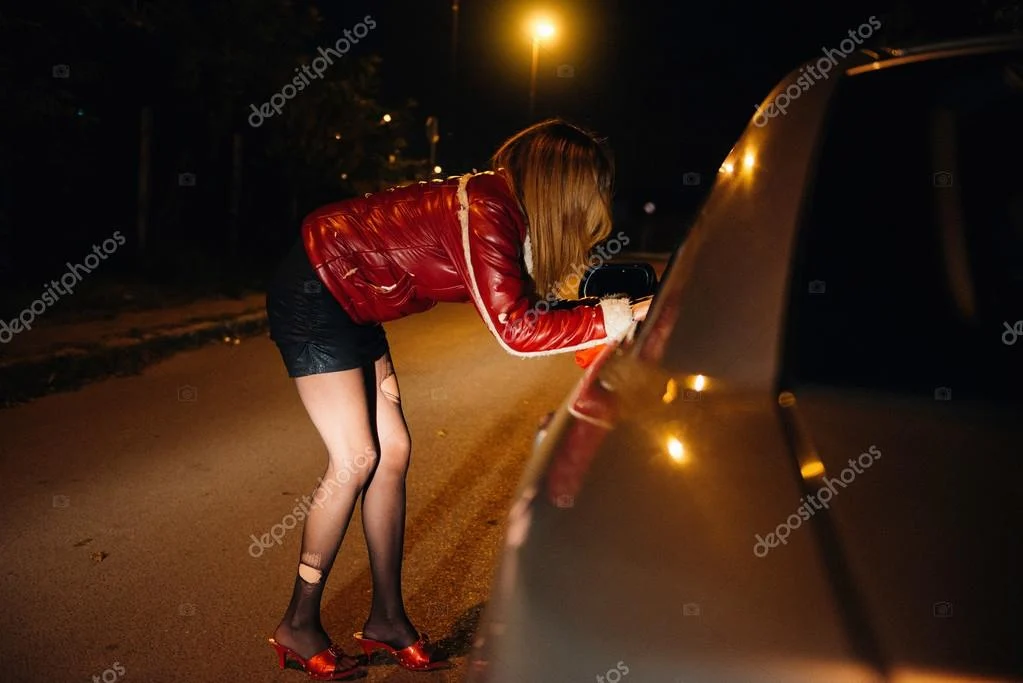
One of the main reasons for this double standard is the perception of power dynamics. Sugar babies are often seen as having more control in their relationships with clients, as they have the ability to negotiate terms and boundaries. On the other hand, escorts are often viewed as being more vulnerable and exploited, as they are seen as having less control over their clients and their work. This perception of power dynamics leads to escorts facing harsher legal consequences and being targeted by law enforcement more frequently.
Another factor that contributes to the double standard is societal attitudes towards women and their sexuality. Women who engage in sex work, regardless of the form, are often judged and shamed for their choices. However, sugar babies are sometimes seen as more socially acceptable, as their work is often seen as a form of companionship rather than purely sexual. This societal perception further emphasizes the unequal treatment of sugar babies and escorts by law enforcement.
The legal system also plays a significant role in perpetuating these double standards. In many countries, prostitution is illegal, and those involved in it face criminal charges. However, the laws and penalties for engaging in prostitution vary greatly depending on the location and the type of sex work. In some places, sugar babies may face lesser consequences or no legal repercussions at all, while escorts may face heavy fines or even imprisonment. This unequal treatment reinforces the societal stigma surrounding sex work and creates a dangerous environment for those involved in it.
Moreover, the media also plays a significant role in shaping public perception and attitudes towards sex work. While there has been a recent increase in media coverage of sugar babies, the portrayal is often glamorized and sugar-coated. On the other hand, escorts are often portrayed as victims or criminals in the media, further perpetuating the double standard of how different forms of sex work are perceived and treated.
It is also essential to acknowledge the intersectionality of sex work and how it affects the treatment of different groups of people. Women of color, transgender individuals, and those from lower socio-economic backgrounds are often disproportionately targeted and punished for their involvement in sex work. This further highlights the unequal treatment and systemic discrimination within the sex industry.
In conclusion, the double standards that exist in the treatment of sugar babies and escorts by law enforcement are a result of societal attitudes towards women, power dynamics, and the legal system. It is crucial to challenge these double standards and address the underlying issues surrounding sex work to create a more equitable and safe environment for those involved.