Tag: societal stigma

  • Living the Life: Comparing Sugar Babies and High-End Call Girls

    Living the Life: Comparing Sugar Babies and High-End Call Girls

    In today’s society, there is a growing trend of young women seeking out alternative means of financial support. With the rising costs of living and the pressure to maintain a certain lifestyle, many women are turning to unconventional methods to make a living. Two of the most popular and controversial options are becoming a sugar baby or a high-end call girl. While both may seem similar on the surface, there are significant differences between the two lifestyles. In this blog post, we will delve into the world of sugar babies and high-end call girls, exploring their similarities and differences and shedding light on the realities of living these lifestyles.

    The Concept of Sugar Babies and High-End Call Girls

    Before we dive into the details, it is important to understand the basic concept of sugar babies and high-end call girls. A sugar baby is a young woman who enters into a relationship with an older, wealthy man who provides financial support in exchange for companionship, intimacy, and sometimes even mentorship. On the other hand, a high-end call girl is a woman who offers sexual services for a high price to affluent clients. While both may involve financial transactions, the dynamics of these relationships are quite different.

    Similarities between Sugar Babies and High-End Call Girls

    One of the main similarities between sugar babies and high-end call girls is the financial aspect. Both lifestyles involve receiving monetary compensation in exchange for time and companionship. However, the amount and frequency of payment may vary. Sugar babies often receive a monthly allowance or gifts from their sugar daddies, while high-end call girls charge a high price per hour or per session.

    Another similarity is the luxury and lavish lifestyle associated with both sugar babies and high-end call girls. Sugar babies are often seen as living a glamorous life, with expensive gifts, trips, and experiences provided by their sugar daddies. Similarly, high-end call girls cater to wealthy clients and may have access to luxurious accommodations, fine dining, and other extravagant experiences.

    Differences between Sugar Babies and High-End Call Girls
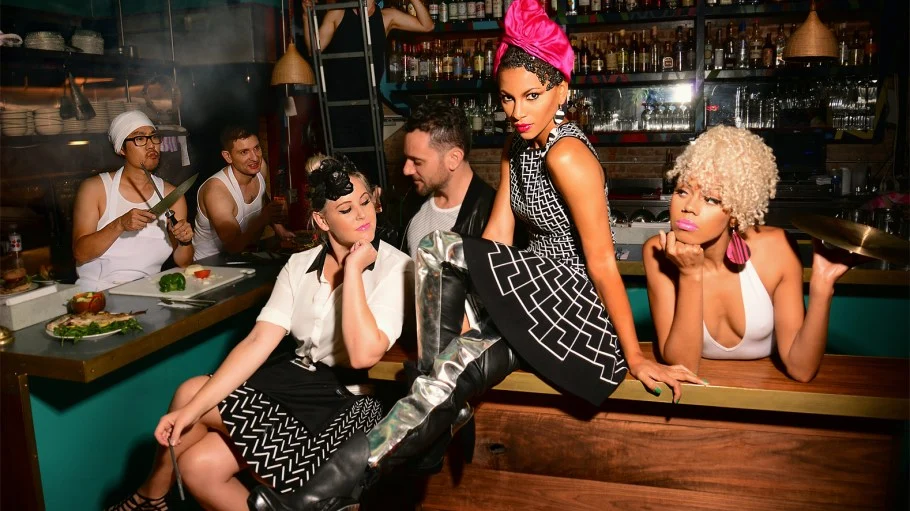
    A vibrant scene featuring stylish individuals in a lively restaurant setting, showcasing fashion and culinary activity.

    Living the Life: Comparing Sugar Babies and High-End Call Girls

    While there are some similarities, the differences between sugar babies and high-end call girls are significant. One of the main differences is the nature of the relationship. Sugar babies are expected to provide companionship and intimacy, while high-end call girls offer sexual services. This difference can also be seen in the level of emotional involvement. Sugar babies may develop genuine feelings for their sugar daddies and may even enter into a romantic relationship, while high-end call girls generally have a more transactional and professional approach to their clients.

    Another major difference is the level of control and autonomy in these lifestyles. Sugar babies have more control over who they choose to enter into a relationship with and what they are willing to do for their sugar daddies. They have the power to set boundaries and negotiate their terms. On the other hand, high-end call girls may have less control over their clients and their services, as they are often subject to the demands and expectations of their clients.

    The social stigma surrounding sugar babies and high-end call girls is also different. While both lifestyles are still considered taboo in society, high-end call girls are often viewed with more judgment and shame. They are often seen as engaging in illegal and immoral activities, while sugar babies are perceived as simply seeking financial support from wealthy men.

    Living the Life: The Realities of Being a Sugar Baby and a High-End Call Girl

    While the idea of living a lavish lifestyle and being financially supported may seem glamorous, the reality of being a sugar baby or a high-end call girl is far from it. Both lifestyles come with their own set of challenges and risks. Sugar babies may face emotional and physical pressure from their sugar daddies, and may also struggle with the blurred lines between a transactional relationship and a genuine connection. High-end call girls, on the other hand, may face dangers such as violence, exploitation, and legal repercussions. They also have to manage the emotional toll of engaging in sexual activities for financial gain.

    Furthermore, both sugar babies and high-end call girls may have to deal with societal judgment and stigma. They may face criticism and ostracism from friends and family, and may also struggle with their own morals and self-worth. They may also have to constantly hide their true source of income and maintain secrecy to avoid negative consequences.

    Conclusion

    In conclusion, while sugar babies and high-end call girls may seem similar on the surface, the differences between the two lifestyles are significant. Both involve financial transactions and a luxurious lifestyle, but the nature of the relationships, level of control, and societal stigma are vastly different. Both lifestyles also come with their own set of challenges and risks, making it important for individuals to carefully consider their choices before embarking on such paths.

    In the end, it is essential to remember that every individual has their own reasons and motivations for choosing these lifestyles. It is not our place to judge or shame them, but rather to understand and respect their choices. Whether it is being a sugar baby or a high-end call girl, it is ultimately a personal decision that should be made with caution and awareness.

  • The Power Dynamics of Being a Sugar Baby: Who Holds the Control?

    The Power Dynamics of Being a Sugar Baby: Who Holds the Control?

    In today’s society, the concept of sugar dating has become increasingly popular. With the rise of social media and dating apps, more and more young women are turning to sugar dating as a means of financial support. A sugar baby is typically a younger woman who enters into a relationship with an older, financially stable man, known as a sugar daddy. While the idea of being a sugar baby may seem glamorous and luxurious, there are underlying power dynamics at play in these relationships. In this blog post, we will delve into the power dynamics of being a sugar baby and explore who truly holds the control in these arrangements.

    Money and Financial Dependence

    One of the most significant aspects of sugar dating is the financial aspect. Sugar daddies usually provide their sugar babies with financial support, whether it’s in the form of gifts, allowances, or paying for their expenses. This financial dependence can create a power imbalance in the relationship. The sugar daddy holds the financial control, and the sugar baby may feel obligated to fulfill his desires in exchange for the financial support. This can lead to the sugar baby feeling like she has to comply with the sugar daddy’s wishes, even if she may not be comfortable with them. In some cases, this can also result in the sugar baby feeling trapped or indebted to the sugar daddy.

    Age and Experience

    Another aspect that contributes to the power dynamics in sugar dating is the age and experience difference between the sugar daddy and the sugar baby. In most cases, the sugar daddy is significantly older and more experienced than the sugar baby. This age and experience difference can create a dynamic where the sugar daddy is seen as the more knowledgeable and dominant figure, while the sugar baby is viewed as the younger and less experienced one. This can lead to the sugar daddy exerting control over the sugar baby and making decisions for her, ultimately diminishing her agency and autonomy.

    Woman in a short dress and fishnet stockings walking on a city street at night.

    The Power Dynamics of Being a Sugar Baby: Who Holds the Control?

    Emotional Investment

    While sugar dating is often seen as a purely transactional arrangement, emotions can still play a significant role. It’s not uncommon for sugar babies to develop feelings for their sugar daddies, which can complicate the power dynamics. The sugar daddy may use his emotional investment as a means of control, manipulating the sugar baby into doing things she may not want to do. On the other hand, the sugar baby may also use her emotional investment to gain more control in the relationship, making demands or setting boundaries. This dynamic can lead to a power struggle between the two parties, ultimately affecting the balance of power in the relationship.

    Societal Stigma and Perception

    The power dynamics in sugar dating are also impacted by societal stigma and perception. While there is a growing acceptance of alternative forms of relationships and dating, sugar dating is still viewed negatively by many. This societal stigma can affect how the sugar daddy and sugar baby perceive their roles in the relationship. The sugar daddy may feel entitled to have more control as he is providing financial support, while the sugar baby may feel like she has to constantly prove herself as worthy of that support. This can create a toxic cycle of power dynamics that can be damaging to both parties involved.

    Taking Back Control

    Despite the potential power imbalances in sugar dating, it’s essential to remember that both parties have a say in the relationship. As a sugar baby, it’s crucial to set boundaries and communicate your needs and desires clearly. It’s also essential to remember that you are not obligated to do anything you are not comfortable with, regardless of the financial support provided by the sugar daddy. On the other hand, sugar daddies should also respect the boundaries and agency of their sugar babies and not use their financial support as a means of control.

    In conclusion, the power dynamics of being a sugar baby are complex and can vary from relationship to relationship. While it’s true that the sugar daddy holds the financial control, the sugar baby also has the power to set boundaries and make her own decisions. It’s crucial for both parties to communicate openly and respect each other’s boundaries and autonomy. Ultimately, the power dynamics in sugar dating should be mutually beneficial and consensual for both the sugar daddy and the sugar baby.

  • Living in the Grey Area: The Moral Dilemma of Being a Sugar Baby

    Living in the Grey Area: The Moral Dilemma of Being a Sugar Baby

    The concept of being a sugar baby, or an individual who receives financial or material benefits in exchange for companionship or intimacy, is not a new one. However, with the rise of social media and online dating platforms, the sugar baby lifestyle has become more prevalent and accessible. While some may see it as a simple transaction between two consenting adults, the reality is much more complex.

    Living in the grey area of being a sugar baby means navigating through a moral dilemma that is often overlooked or misunderstood. It involves not only the risks and rewards of such a lifestyle, but also the societal and personal implications.

    The Attraction of Being a Sugar Baby

    The allure of being a sugar baby is undeniable. The idea of being pampered and taken care of by a wealthy and successful individual can be appealing, especially for those facing financial struggles or seeking a lavish lifestyle. Many sugar babies also enjoy the companionship and mentorship aspect of their relationships, forming genuine connections with their sugar daddies or mommies.

    Additionally, the flexible nature of the arrangement can be appealing to those who do not want to commit to a traditional relationship. Sugar babies have the freedom to set their own terms and boundaries, making it a more appealing option for those who prioritize their independence.

    The Moral Dilemma

    Despite the perceived benefits, being a sugar baby comes with its own set of moral dilemmas. The most obvious one being the exchange of financial or material benefits for companionship or intimacy. This raises questions about the nature of the relationship and whether it is based on genuine feelings or purely transactional.

    Moreover, there is also the issue of power dynamics at play. In most cases, sugar daddies or mommies hold a significant amount of power and influence over their sugar babies, which can create an imbalance in the relationship. This can lead to feelings of exploitation or manipulation, especially for younger or inexperienced sugar babies.

    Women in shorts and high heels walking on a city street at night.

    Living in the Grey Area: The Moral Dilemma of Being a Sugar Baby

    The societal stigma attached to being a sugar baby also adds to the moral dilemma. Despite the growing acceptance of non-traditional relationships, the sugar baby lifestyle is still heavily judged and frowned upon by many. This can lead to feelings of shame and guilt for those engaging in it, further complicating the already complex moral dilemma.

    Risks and Rewards

    Being a sugar baby also comes with its own set of risks and rewards. On one hand, there is the potential for financial stability and access to a luxurious lifestyle. However, there is also the risk of becoming financially dependent on a sugar daddy or mommy, which can be dangerous if the relationship ends abruptly.

    There is also the risk of emotional attachment and potential heartbreak. Despite setting boundaries, it is not uncommon for sugar babies to develop genuine feelings for their sugar daddies or mommies, only to have those feelings go unreciprocated.

    On the other hand, the rewards of being a sugar baby go beyond material benefits. Many sugar babies have reported gaining valuable life experiences and connections through their relationships. Some have even credited their sugar daddies or mommies for helping them achieve personal and professional growth.

    Navigating the Grey Area

    As with any complex dilemma, there is no one-size-fits-all solution for navigating the grey area of being a sugar baby. It ultimately comes down to personal values and beliefs, as well as the specific dynamics of each individual relationship.

    For some, being a sugar baby may go against their morals and principles, and they may choose to avoid it altogether. Others may feel comfortable and empowered in their decision to engage in the lifestyle. It is important for individuals to carefully consider their own boundaries and priorities before entering into a sugar baby arrangement.

    Ultimately, the key to navigating the grey area is communication and honesty. Both parties should be transparent about their expectations and boundaries to ensure a mutually beneficial and respectful relationship. It is also crucial for sugar babies to prioritize their safety and well-being, and to never compromise their values for the sake of financial gain.

    In conclusion, living in the grey area as a sugar baby is a complex and multifaceted experience. It involves navigating through a moral dilemma, weighing the risks and rewards, and ultimately making a personal decision. While the societal stigma and potential risks cannot be ignored, it is important to acknowledge that not all sugar baby relationships are exploitative or unethical. As with any relationship, open communication, boundaries, and mutual respect are key to a healthy and fulfilling experience.

  • Sugar, Sex, and Scandal: The Taboo Surrounding Sugar Babies and Prostitution

    Sugar, Sex, and Scandal: The Taboo Surrounding Sugar Babies and Prostitution

    When we hear the word “sugar,” our minds may immediately jump to thoughts of sweet treats or indulgent desserts. But in recent years, the term “sugar” has taken on a different connotation – one that involves sex, money, and scandal. The rise of sugar babies and prostitution has sparked controversy and raised questions about the taboo surrounding these practices. In this blog post, we will delve into the world of sugar babies and prostitution, exploring the reasons behind their existence, the societal stigma surrounding them, and the impact they have on individuals and society as a whole.

    First, let’s define what a sugar baby is. A sugar baby is typically a young woman who enters into a relationship with an older, wealthy man – known as a sugar daddy – in exchange for financial support, gifts, and other luxuries. This type of relationship is often seen as a modern form of prostitution, with the key difference being that the exchange of money is not explicitly stated or agreed upon. The sugar baby and sugar daddy may go on dates, travel together, and engage in sexual activities, but the terms of the relationship are often left vague.

    So why do young women choose to become sugar babies? The answer lies in the financial benefits. With the rising cost of education and living expenses, many young women are turning to sugar relationships as a means to support themselves. Some see it as a way to avoid student debt, while others view it as a way to live a luxurious lifestyle without having to work multiple jobs. In a world where financial stability is highly valued, it’s not surprising that some women see becoming a sugar baby as a viable option.

    On the other side of the coin, we have prostitution, which is defined as the exchange of sexual services for money. Prostitution has been around for centuries and is often associated with negative connotations such as exploitation, violence, and human trafficking. However, in recent years, there has been a growing movement to decriminalize and destigmatize sex work. Supporters argue that it is a form of labor and should be treated as such, while opponents believe that it is inherently harmful and degrading to those involved.

    A person in a red jacket and torn stockings stands near a car, holding a red bag while interacting with someone inside.

    Sugar, Sex, and Scandal: The Taboo Surrounding Sugar Babies and Prostitution

    So why is there such a strong stigma surrounding prostitution and sugar babies? One reason could be the societal expectation of women to be pure and virtuous, with their sexuality being controlled and dictated by men. This expectation is deeply ingrained in our culture, and any deviation from it is often met with judgment and criticism. As a result, women who engage in sugar relationships or sex work are often labeled as promiscuous, immoral, and even “gold diggers.”

    Moreover, there is a power dynamic at play in these types of relationships. Sugar daddies and clients hold the financial advantage, which can lead to exploitation and abuse. In some cases, sugar babies may feel pressured to engage in sexual activities they are not comfortable with in order to maintain their financial support. Similarly, sex workers may experience violence and mistreatment at the hands of their clients. This power dynamic further perpetuates the negative perception of these practices and reinforces the idea that they are inherently harmful and degrading.

    Another factor contributing to the taboo surrounding sugar babies and prostitution is the potential for illegal activities, such as human trafficking and underage prostitution. While these issues are undoubtedly concerning and should be addressed, it’s important to note that they are not inherent to these practices. In fact, many advocates argue that legalizing and regulating sex work would help protect those involved and prevent exploitation. However, the stigma surrounding these practices often prevents open and honest discussions about potential solutions.

    The taboo surrounding sugar babies and prostitution also extends to the media portrayal of these topics. In popular culture, sugar relationships are often glamorized, with shows like “The Bachelor” and “Millionaire Matchmaker” showcasing wealthy men showering women with expensive gifts and lavish vacations. On the other hand, prostitution is often sensationalized and depicted as a seedy and dangerous world. These portrayals not only perpetuate stereotypes but also fail to accurately represent the complexities of these relationships.

    In conclusion, sugar babies and prostitution are controversial and often misunderstood practices. While there are certainly valid concerns and issues surrounding them, the stigma and taboo surrounding these topics often prevent productive discussions and solutions. It’s important to acknowledge the reasons behind their existence and have open and honest conversations about the impact they have on individuals and society. Only then can we begin to break down the barriers and address the issues at hand.

    In summary, sugar babies and prostitution are forms of relationships that involve the exchange of money for sex, companionship, and other luxuries. While these practices have been met with controversy and societal stigma, they are often a means for women to support themselves financially. The power dynamics, societal expectations, and media portrayals all contribute to the taboo surrounding these topics. It’s crucial to have open and honest discussions about the reasons behind their existence and work towards destigmatizing and finding solutions for the issues they bring.

  • The Price of Being a Sugar Baby: Is it Worth the Risk?

    Summary:

    Sugar dating, also known as “sugar baby” dating, has become a popular trend in recent years. It involves a mutually beneficial relationship between an older, wealthier individual (the “sugar daddy” or “sugar mama”) and a younger, attractive individual (the “sugar baby”). While some may see it as a glamorous and easy way to make money, the reality of being a sugar baby comes with its own set of risks and challenges. In this blog post, we will explore the price of being a sugar baby and whether it is truly worth the risks involved.

    The Price of Being a Sugar Baby:

    Financial Dependence:

    One of the main reasons why individuals choose to become sugar babies is for financial gain. Many sugar babies are students or struggling to make ends meet, and the financial support from their sugar daddy or mama can be a huge relief. However, this financial dependence can also make sugar babies vulnerable to their sugar parent’s demands and expectations. In some cases, sugar babies may feel pressured to do things they are not comfortable with in order to maintain their financial stability, creating a power imbalance in the relationship.

    Emotional Toll:

    Being a sugar baby also comes with an emotional toll. While some may argue that it is purely a transactional relationship, the reality is that emotions can become involved. Sugar babies may develop feelings for their sugar parent, leading to heartbreak when the relationship ends. Moreover, sugar dating can be emotionally draining, with the constant pressure to maintain a certain image and cater to their sugar parent’s needs and desires.

    Physical Risks:

    A woman in a black dress leans into a car, engaging with a man inside. Nighttime urban setting.

    The Price of Being a Sugar Baby: Is it Worth the Risk?

    In addition to emotional risks, sugar babies also face physical risks. Many sugar daddies and mamas are older and may have health issues, which can put sugar babies at risk of contracting sexually transmitted diseases. Moreover, some sugar parents may have a history of substance abuse or other risky behaviors, putting sugar babies in dangerous situations.

    Societal Stigma:

    Another price of being a sugar baby is the societal stigma that comes with it. Sugar dating is often seen as a form of sex work or even prostitution, which can lead to judgment and discrimination. Many sugar babies choose to keep their lifestyle a secret for fear of being judged by friends, family, and society. This can take a toll on their mental health and self-esteem.

    Legal Complications:

    Sugar dating also comes with legal complications. In some countries or states, sugar dating may be considered illegal or fall into a gray area. This can put sugar babies at risk of facing legal consequences, especially if they are underage. Moreover, there have been cases of sugar babies being scammed or exploited by their sugar parents, leading to legal battles.

    Is it Worth the Risk?

    The answer to this question ultimately depends on the individual and their personal circumstances. For some, the financial benefits may outweigh the risks involved. However, it is important for sugar babies to fully understand the potential consequences and make an informed decision. It is crucial to set boundaries and communicate openly with their sugar parent to ensure a safe and healthy relationship.

    Moreover, it is important for society to stop stigmatizing sugar dating and understand that it is a personal choice. As long as both parties are consenting adults and the relationship is based on mutual respect and boundaries, there should be no judgment.

    In conclusion, the price of being a sugar baby is not just financial, but also emotional, physical, and societal. While some may see it as an easy way to make money, the reality is that it comes with its own set of risks and challenges. It is important for individuals to carefully consider these factors before entering into a sugar dating relationship and for society to stop stigmatizing this lifestyle choice.