Tag: stigma

  • Breaking the Stigma: Why Affluent Men Shouldn’t Feel Guilty About Seeking Companionship at 21

    Blog Post:

    In today’s society, there is a certain stigma surrounding affluent men who seek companionship at a young age, specifically at 21. Many people believe that men at this age should be focused on building their careers and not on seeking romantic relationships or companionship. This stigma can lead to feelings of guilt and shame for young men who do desire companionship, leaving them feeling isolated and misunderstood. In this blog post, we will discuss why affluent men should not feel guilty about seeking companionship at 21 and why breaking this stigma is important for their mental well-being.

    First and foremost, it is important to recognize that seeking companionship is a natural human desire, regardless of age or social status. As humans, we crave connection and intimacy, and it is completely normal for young men to desire this at 21. Society often puts pressure on men to focus solely on their careers and achieving financial success, but this does not mean that they should neglect their emotional and social needs. In fact, having a healthy and fulfilling relationship can actually contribute to one’s overall success and happiness in life.

    Moreover, it is unfair to judge affluent men who seek companionship at a young age. Many of these men have worked hard to achieve their success and have the financial means to support themselves and a potential partner. They should not be shamed for wanting to share their life with someone and enjoy the benefits of their hard work. Furthermore, seeking companionship at a young age can actually be beneficial in terms of personal growth and development. It allows young men to learn how to navigate relationships and understand their own needs and desires, which can ultimately lead to a healthier and more fulfilling future.

    Another reason why affluent men should not feel guilty about seeking companionship at 21 is because it is a personal choice. Everyone’s journey and timeline for finding love and companionship is different. Just because society may have certain expectations or norms, it does not mean that individuals should conform to them. Each person should be able to make their own decisions about their love life without feeling judged or stigmatized.

    legs in high heels near a car, suggesting a nighttime encounter on a city street.

    Breaking the Stigma: Why Affluent Men Shouldn't Feel Guilty About Seeking Companionship at 21

    Furthermore, breaking the stigma surrounding affluent men seeking companionship at 21 is important for their mental well-being. Feeling guilty and ashamed for wanting companionship can lead to feelings of loneliness and isolation, which can have negative effects on one’s mental health. It is crucial to promote a society where individuals are free to make their own choices without fear of judgment or stigma. By breaking this stigma, we can create a more inclusive and understanding environment where young men can feel comfortable expressing their desires for companionship.

    It is also worth noting that seeking companionship at 21 does not necessarily mean seeking a serious, long-term relationship. It could simply mean wanting to casually date and meet new people. In today’s digital age, there are various ways to connect with others and explore different types of relationships. It is important to acknowledge that seeking companionship does not have to fit into a specific mold or timeline.

    In addition, it is important to address the double standards that exist when it comes to affluent men seeking companionship. Women are often praised for finding a successful and wealthy partner, while men are judged for wanting the same. This reinforces gender stereotypes and perpetuates the stigma surrounding affluent men seeking companionship at 21. By breaking this stigma, we can promote gender equality and empower men to make their own choices without societal pressure or expectations.

    In conclusion, affluent men should not feel guilty about seeking companionship at 21. It is a natural human desire and a personal choice that should not be judged or stigmatized. By breaking this stigma, we can create a more inclusive and understanding society where individuals can make their own decisions about their love life without fear of judgment. Seeking companionship at a young age can also contribute to personal growth and well-being, and should not be seen as a hindrance to one’s success. Let us break the stigma and promote a more accepting and open-minded society for all individuals.

    Summary:

    In today’s society, there is a stigma surrounding affluent men seeking companionship at 21. This stigma can lead to feelings of guilt and shame, causing young men to feel isolated and misunderstood. However, seeking companionship is a natural human desire and a personal choice that should not be judged. It is important to break this stigma for the mental well-being of these men and to promote a more inclusive and understanding society. Seeking companionship at a young age can also contribute to personal growth and should not be seen as a hindrance to one’s success. By breaking this stigma, we can create a more accepting and equal environment for all individuals.

  • The Dark Side of Companionship for Wealthy Men: Tales from Former Companions

    Blog Post Title: The Dark Side of Companionship for Wealthy Men: Tales from Former Companions

    Companionship is often seen as a mutually beneficial arrangement between two consenting adults. Wealthy men seek companions to fulfill their desire for companionship, while the companions receive financial benefits in return. However, behind this seemingly glamorous lifestyle lies a dark side that is often overlooked. In this blog post, we will explore the untold stories of former companions and shed light on the dark side of companionship for wealthy men.

    The Promise of Luxury and Glamour

    For many young women, the idea of being a companion to a wealthy man is alluring. They are promised a life of luxury, glamour, and exotic travels. The thought of being showered with expensive gifts, living in luxurious mansions, and dining at the finest restaurants can be tempting. However, the reality is often far from what they are promised.

    One former companion, who wishes to remain anonymous, shares her experience of being a companion to a wealthy man. She was lured in by the promise of a luxurious lifestyle and financial stability. However, she soon realized that the man she was with only saw her as an object to be possessed. She was expected to be available at all times, cater to his every need, and never question his actions or decisions. In return, she received lavish gifts and expensive trips, but at the cost of her freedom and self-respect.

    Exploitation and Control

    In many cases, wealthy men use their power and influence to control their companions. They manipulate them into doing things they are not comfortable with, and in some extreme cases, even force them into sexual acts. Many former companions have come forward with stories of being exploited and controlled by their wealthy clients.

    One former companion, who goes by the name Lily, shares her harrowing experience of being controlled and exploited by her wealthy companion. She was expected to be available at all times, and if she refused, she would be threatened with being cut off financially. She was also forced into sexual acts that she was not comfortable with, and when she tried to leave, she was met with threats and intimidation.

    Emotional and Mental Toll

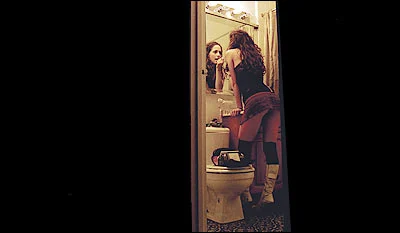
    A woman in a bathroom leans over a toilet, looking at her reflection in the mirror.

    The Dark Side of Companionship for Wealthy Men: Tales from Former Companions

    Being a companion to a wealthy man may seem like an easy way to make money, but it comes at a high emotional and mental cost. Many former companions have shared stories of feeling emotionally drained and traumatized by their experiences.

    One former companion, who goes by the name Ava, shares how she was constantly made to feel inadequate and replaceable by her wealthy client. She was expected to look a certain way, behave a certain way, and always be available to him. This constant pressure took a toll on her self-esteem and mental well-being. She also struggled with the guilt of being in a transactional relationship and the fear of being judged by society.

    The Risk of Physical Harm

    In some cases, companionship for wealthy men can also put the women at risk of physical harm. Due to the secretive nature of their relationships, companions often do not have anyone to turn to if they face any form of physical abuse or violence from their clients. They are also at risk of being exposed to sexually transmitted diseases, as their wealthy clients often have multiple partners.

    One former companion, who wishes to remain anonymous, shares her experience of being physically abused by her wealthy client. She was threatened and physically harmed when she tried to leave the relationship. She also contracted a sexually transmitted disease from her client, which had long-lasting effects on her health.

    The Stigma and Isolation

    Another aspect of the dark side of companionship is the stigma and isolation that former companions face. They are often judged and looked down upon by society for their choices. This can lead to feelings of loneliness and isolation, as they are unable to confide in anyone about their experiences.

    One former companion, who goes by the name Emma, shares how she felt alone and judged by society after leaving her wealthy client. She was unable to find a regular job due to the stigma attached to her previous occupation. This led to financial difficulties and further isolation.

    Summary:

    Companionship for wealthy men may seem like a glamorous and easy way to make money, but it comes with a dark side that is often overlooked. Former companions have shared stories of being exploited, controlled, and emotionally drained by their wealthy clients. They also face the risk of physical harm, isolation, and stigma from society. It is important to shed light on these untold stories and recognize the dark side of companionship for wealthy men.

  • The Sugar Baby Lifestyle: A Look Behind the Scenes

    The Sugar Baby Lifestyle: A Look Behind the Scenes

    When most people hear the term “sugar baby,” they may think of a young woman living a luxurious lifestyle, showered with expensive gifts and vacations by an older, wealthy man. But the reality of being a sugar baby goes much deeper than just material possessions. It is a lifestyle that involves a complex dynamic of power, money, and relationships. In this blog post, we will take a closer look at the sugar baby lifestyle and the various aspects that go into it, shedding light on the often misunderstood world of sugar dating.

    What is Sugar Dating?

    Sugar dating is a type of relationship where a wealthy, older person (sugar daddy or sugar mommy) provides financial and material support to a younger, attractive person (sugar baby) in exchange for companionship and/or intimacy. This type of relationship is often seen as a form of transactional dating, where both parties have clear expectations and boundaries. However, it is important to note that sugar dating is not the same as prostitution, as there is no explicit exchange of money for sex.

    The Appeal of Being a Sugar Baby

    One of the main reasons why people choose to become sugar babies is the financial benefits. Many sugar daddies and mommies are successful, busy individuals who do not have the time for traditional relationships. They are willing to provide financial support to their sugar babies in order to have a no-strings-attached arrangement that fits into their lifestyle. This financial support can range from a monthly allowance to expensive gifts and lavish trips.

    But aside from the financial aspect, being a sugar baby also offers a sense of empowerment. In a society where women are often judged for their choices and appearance, being a sugar baby allows them to take control of their lives and reap the benefits of their attractiveness. Many sugar babies also enjoy the companionship and mentorship that comes with the relationship, as they get to learn from someone who is more experienced and successful.

    The Reality of Being a Sugar Baby

    While the sugar baby lifestyle may seem glamorous, it is not without its challenges. One of the biggest challenges is navigating the emotional aspect of the relationship. As with any relationship, there is always the risk of developing feelings for the other person. Sugar babies may find themselves struggling with the idea of being in a transactional relationship, especially if they develop genuine feelings for their sugar daddy or mommy.

    Motorcade with police motorcycles and black vehicles on a city street, flanked by trees.

    The Sugar Baby Lifestyle: A Look Behind the Scenes

    Moreover, there is also the stigma surrounding sugar dating. Many people view it as a form of prostitution or label sugar babies as gold diggers. This can lead to judgment and even discrimination, making it difficult for sugar babies to openly discuss their lifestyle with others.

    Safety is also a concern for sugar babies. In some cases, sugar daddies may try to take advantage of their position of power and manipulate the relationship. This is why it is important for sugar babies to set clear boundaries and only engage in relationships with people they trust.

    The Role of Social Media

    In today’s digital age, social media has played a significant role in the sugar dating world. Platforms like Instagram and TikTok have become popular for sugar babies to showcase their luxurious lifestyle and attract potential sugar daddies or mommies. Some sugar babies even offer paid subscriptions to their social media accounts, where they share exclusive content and interact with their followers.

    However, social media has also given rise to scammers and fake sugar daddies. These individuals prey on vulnerable sugar babies, promising them lavish gifts and financial support in exchange for personal information or explicit photos. It is important for sugar babies to be cautious when interacting with potential sugar daddies or mommies online and to always prioritize their safety.

    The Impact of COVID-19

    The COVID-19 pandemic has also had a significant impact on the sugar baby lifestyle. With travel restrictions and social distancing measures in place, many sugar babies have had to adjust to virtual relationships with their sugar daddies or mommies. This has made it difficult for some to maintain the same level of financial support and has also led to a decrease in new sugar baby-sugar daddy/mommy relationships.

    In addition, the pandemic has shed light on the financial instability of the sugar baby lifestyle. With many sugar daddies and mommies being affected by the economic downturn, some have had to cut back on their financial support to their sugar babies. This has forced some sugar babies to reevaluate their lifestyle and seek alternative sources of income.

    In Conclusion

    The sugar baby lifestyle is a complex and often misunderstood world. While it offers financial benefits and a sense of empowerment, it also comes with its own set of challenges and stigma. It is important for individuals considering sugar dating to understand the dynamics and risks involved before making the decision to become a sugar baby. And for those already living the sugar baby lifestyle, it is important to prioritize safety, boundaries, and emotional well-being.

  • Sugar Daddy vs. Sugar Mommy: Exploring the Other Side of the Coin

    Sugar daddy and sugar mommy relationships have gained significant attention in recent years, with the popularization of sugar dating websites and social media platforms. While the concept of a sugar daddy is widely known, the idea of a sugar mommy is often overlooked and stigmatized. In this blog post, we will explore the other side of the coin and dive into the world of sugar mommies, comparing and contrasting their role and impact in the realm of sugar dating.

    First, let’s define what exactly a sugar daddy and a sugar mommy are. A sugar daddy is an older, wealthy man who provides financial and material support to a younger, attractive woman in exchange for companionship, intimacy, and sometimes even mentorship. On the other hand, a sugar mommy is an older, successful woman who financially supports a younger, attractive man in exchange for companionship and intimacy.

    The idea of a sugar daddy has been glamorized and romanticized in popular culture, with movies and TV shows depicting these relationships as exciting and extravagant. However, the concept of a sugar mommy is often met with judgment and criticism, with society viewing these women as desperate or predatory. This double standard highlights the societal expectations and stereotypes placed on women and their role in relationships.

    One of the main differences between sugar daddies and sugar mommies is the age gap. While sugar daddies are typically much older than their sugar babies, sugar mommies are usually only a few years older than their sugar babies. This can be attributed to the societal pressure for women to date within their age range, while men are encouraged to date younger women. This age gap also plays a role in the dynamics of the relationship, as sugar mommies may not hold as much power and control as sugar daddies do.

    Another difference is the motivation behind entering a sugar relationship. Sugar daddies are often seeking the company of a younger, attractive woman to fulfill their desires and provide them with a sense of youth and vitality. On the other hand, sugar mommies may be seeking companionship and intimacy that they may not be able to find in traditional relationships. They may also feel a sense of empowerment in being able to financially support a younger man and have control in the relationship.

    A woman in a white jacket stands beside a yellow taxi at night, highlighting the urban nightlife.

    Sugar Daddy vs. Sugar Mommy: Exploring the Other Side of the Coin

    In terms of the financial aspect, sugar mommies may not have the same level of wealth as sugar daddies. This can be attributed to the gender pay gap and the societal expectation for men to be the breadwinners in a relationship. However, this does not diminish their ability to provide for their sugar babies and spoil them with gifts and experiences.

    One of the biggest misconceptions about sugar mommies is that they are only interested in physical relationships with their sugar babies. While this may be the case for some, many sugar mommies are seeking emotional and mental connections as well. They may be looking for someone who can provide them with companionship, support, and understanding. This highlights the fact that sugar relationships are not just about sex and money, but also about forming genuine connections and meeting each other’s needs.

    Just like sugar daddies, sugar mommies also face judgment and stigma for their lifestyle choices. They may be labeled as “cougars” or “desperate” for dating younger men and seeking companionship in non-traditional ways. This can lead to feelings of shame and secrecy, causing them to hide their relationships from family and friends. This further perpetuates the double standard and societal expectations placed on women and their role in relationships.

    It is also worth noting that the concept of sugar mommies is not a new phenomenon. In fact, there have been instances of women providing financial support to their younger partners throughout history. However, it has only recently gained attention and acceptance in mainstream society due to the rise of sugar dating platforms.

    In conclusion, sugar mommies play a significant role in the world of sugar dating, yet their existence is often overshadowed and stigmatized by the focus on sugar daddies. They face the same challenges and misconceptions as sugar daddies, but also deal with additional societal expectations and double standards. It is important to recognize and understand the other side of the coin when it comes to sugar relationships and to break down the stereotypes and judgments associated with them.

    In summary, this blog post explored the concept of sugar mommies and compared them to sugar daddies in the realm of sugar dating. It delved into the societal expectations and stereotypes placed on women and their role in relationships, and how this impacts the way sugar mommies are perceived and treated. It also highlighted the differences and similarities between sugar mommies and sugar daddies, emphasizing the importance of recognizing and understanding the other side of the coin in this world of sugar relationships.

  • The Realities of Being a Sugar Baby: It’s Not All Glitz and Glamour

    Blog Post Title: The Realities of Being a Sugar Baby: It’s Not All Glitz and Glamour

    Being a sugar baby may seem like a glamorous lifestyle, filled with luxury gifts, fancy dinners, and exotic vacations. However, the reality of being a sugar baby is far from the image portrayed in popular media. It is a complex and often misunderstood arrangement that involves much more than just material benefits. In this blog post, we will explore the realties of being a sugar baby and debunk some common misconceptions.

    The Sugar Baby Lifestyle: What Is It Really Like?

    First and foremost, it’s important to understand what being a sugar baby actually means. A sugar baby is typically a young person, usually a woman, who enters into a relationship with an older, financially stable person, known as a sugar daddy or sugar momma. This relationship is based on a mutually beneficial arrangement, where the sugar baby provides companionship, intimacy, and sometimes even emotional support in exchange for financial support, gifts, and experiences.

    While the idea of being pampered and spoiled may sound appealing, the reality of being a sugar baby is not always as glamorous. Many people view it as a form of sex work, and there is often a stigma attached to it. This can lead to judgment and criticism from society, friends, and family, which can take a toll on a sugar baby’s mental health and self-esteem.

    The Pressure to Look Perfect

    One of the biggest misconceptions about being a sugar baby is that it’s effortless and requires little work. In reality, it takes a lot of effort and hard work to maintain the image of a perfect companion. Many sugar daddies or mommas have high expectations and want their sugar babies to look a certain way. This can include expensive designer clothing, high-end beauty treatments, and a fit and toned body. The pressure to look perfect can be overwhelming and can lead to unhealthy behaviors, such as extreme dieting and cosmetic procedures.

    Moreover, sugar babies are expected to be available whenever their sugar daddy or momma wants to meet, which means sacrificing their own personal and social life. The constant need to be “on” and maintain a certain image can be exhausting and can take a toll on one’s mental and emotional well-being.

    It’s Not Just About the Money

    Woman in a red jacket leans over a car at night on a dimly lit street.

    The Realities of Being a Sugar Baby: It's Not All Glitz and Glamour

    Another common misconception about being a sugar baby is that it’s all about the money. While financial support is a significant aspect of the arrangement, it’s not the only thing that matters. Sugar babies are also expected to provide companionship, emotional support, and even intimacy to their sugar daddies or mommas. This can be emotionally draining, as the lines between a genuine connection and a transactional relationship can become blurred.

    Moreover, many sugar babies often struggle with the guilt of feeling like they are using someone for their financial gain. This can lead to inner conflicts and a constant battle between their morals and the benefits they receive from the arrangement.

    The Risks and Dangers

    Being a sugar baby also comes with its own set of risks and dangers. The most obvious one being the potential for exploitation or abuse. Some sugar daddies or mommas may try to take advantage of their sugar babies’ financial vulnerability, leading to situations of coercion or even violence. There is also a risk of becoming involved in illegal activities, such as prostitution, if the sugar daddy or momma has ulterior motives.

    Moreover, sugar babies are often expected to maintain secrecy about their arrangement, which can lead to isolation and a lack of support from friends and family. This can make them more vulnerable to potential dangers and can take a toll on their mental and emotional well-being.

    The Emotional Toll

    One of the most significant realities of being a sugar baby is the emotional toll it can take. Many sugar babies enter into the arrangement with the idea that it will be easy money and a luxurious lifestyle. However, the reality is often far from that. The constant pressure to please and maintain a certain image can lead to a lack of self-worth and self-esteem. The emotional detachment required to maintain the arrangement can also take a toll on one’s ability to form genuine connections and relationships in the future.

    Moreover, the power dynamics in a sugar baby-sugar daddy/momma relationship can be complicated. Sugar babies may feel like they have to constantly please their partner to maintain the arrangement, leading to a lack of autonomy and control over their own lives. This can be damaging to one’s emotional well-being and can lead to a sense of emptiness and lack of fulfillment.

    In conclusion, being a sugar baby is not all glitz and glamour. It’s a complex and often misunderstood arrangement that comes with its own set of challenges, risks, and emotional tolls. It’s important to understand the realities of being a sugar baby before entering into such an arrangement and to prioritize one’s physical, mental, and emotional well-being above all else.

  • Breaking Free from Society’s Expectations: My Journey as a Sugar Baby

    Breaking Free from Society’s Expectations: My Journey as a Sugar Baby

    Society has a way of dictating how we should live our lives, from our careers to our relationships. But what happens when those expectations don’t align with our own desires and dreams? This was the case for me when I realized that the traditional path of dating and marriage was not what I wanted. Instead, I found freedom and empowerment in becoming a sugar baby. In this blog post, I will share my personal journey of breaking free from society’s expectations and embracing the unconventional lifestyle of a sugar baby.

    Growing up, I was always taught that the goal in life was to find a stable job, get married, and start a family. This was considered the norm, and any deviation from this path was seen as unconventional and frowned upon. However, as I got older and explored my own desires and passions, I realized that this traditional path was not what I wanted for myself. I didn’t want to be tied down to a 9-5 job, and I didn’t feel ready for the commitment of marriage and starting a family. But I also didn’t want to be alone and give up on relationships altogether. I needed to find an alternative lifestyle that would fulfill my needs and allow me to live life on my own terms.

    I stumbled upon the concept of sugar dating, where wealthy individuals (typically older men) provide financial support to younger partners (usually female). At first, I was hesitant and had many reservations about this lifestyle. It goes against everything society has taught us about relationships and love. But the more I researched and spoke to other sugar babies, the more I realized that this could be the perfect solution for me.

    I made the decision to become a sugar baby, and it was one of the best decisions I have ever made. It allowed me to break free from society’s expectations and create a life that was truly my own. I no longer had to conform to the traditional path of dating and marriage. Instead, I could focus on my own personal growth and goals while also enjoying the perks of being a sugar baby.

    A person in a red jacket and torn stockings stands near a car, holding a red bag while interacting with someone inside.

    Breaking Free from Society's Expectations: My Journey as a Sugar Baby

    One of the biggest misconceptions about sugar dating is that it is all about money and material possessions. While these benefits do exist, they are not the sole purpose of the relationship. As a sugar baby, I have been able to form genuine connections with my partners. They have provided me with mentorship, guidance, and emotional support, which have been invaluable to my personal and professional growth. I have also been able to travel to new places and experience things that I never would have been able to afford on my own.

    But perhaps the most important aspect of being a sugar baby is the control and empowerment it has given me. In traditional relationships, there is often a power dynamic where one partner has more control than the other. This is especially prevalent in heterosexual relationships, where men are often seen as the breadwinners and decision-makers. As a sugar baby, I am in control of my relationships and my life. I choose who I want to date and what I am willing to do in the relationship. I am not dependent on anyone else for my financial stability, which gives me a sense of freedom and autonomy that I never had before.

    Of course, being a sugar baby also comes with its challenges and stigma. Many people view sugar dating as a form of sex work or glorified prostitution. But this is far from the truth. Sugar dating is a consensual relationship between two adults, and it does not always involve physical intimacy. I have been fortunate to have respectful and supportive partners who understand and respect my boundaries. I have also learned to be open and honest about my lifestyle with my friends and family, and while some may not understand it, they have come to accept and support me in my choices.

    Through my journey as a sugar baby, I have learned to be unapologetically myself and not conform to society’s expectations. I have found a community of like-minded individuals who have shown me that there is no one way to live life. We all have the power to create our own paths and live life on our own terms.

    In conclusion, becoming a sugar baby has been a liberating and empowering experience for me. It has allowed me to break free from society’s expectations and create a life that is truly my own. I have found control, empowerment, and genuine connections in this unconventional lifestyle. And while it may not be the conventional path, it has brought me happiness and fulfillment, and that is all that truly matters.

    Summary: Society expects us to follow a traditional path of dating, marriage, and starting a family. But for those who don’t align with these expectations, there is an alternative lifestyle of sugar dating. As a sugar baby, I have found empowerment, control, and genuine connections, breaking free from society’s expectations and creating a life on my own terms. While there are challenges and stigma, this unconventional lifestyle has brought me happiness and fulfillment.

  • The Business of Sugar Dating: An Insider’s Perspective

    Blog Post Title: The Business of Sugar Dating: An Insider’s Perspective

    Sugar dating has become increasingly popular in recent years, with more and more people turning to this unconventional form of dating. But what exactly is sugar dating and how does the business aspect of it work? In this blog post, we will dive into the world of sugar dating from an insider’s perspective and explore the dynamics, benefits, and challenges of this unique type of relationship.

    What is Sugar Dating?

    Sugar dating is a type of relationship where a wealthy and usually older individual (known as a sugar daddy or sugar mommy) provides financial and material support to a younger and typically attractive person (known as a sugar baby). This support can take various forms, such as paying for the sugar baby’s expenses, giving gifts, or funding their education. In return, the sugar baby offers their time, companionship, and sometimes intimate relationships.

    Unlike traditional dating, sugar dating is based on a mutually beneficial arrangement, where both parties agree on the terms and expectations of the relationship. This can include the frequency and duration of meetings, the amount of financial support, and the boundaries for physical intimacy.

    The Business of Sugar Dating

    While sugar dating may seem like a simple exchange of money for companionship, there is much more to the business aspect of it. Sugar dating is a multi-billion dollar industry, with thousands of websites and apps dedicated to connecting sugar daddies and sugar babies. These platforms act as intermediaries, providing a safe and discreet space for sugar dating to take place.

    For sugar daddies and sugar mommies, sugar dating offers a way to fulfill their desires for companionship and intimacy without the commitment and responsibilities of a traditional relationship. They are often successful individuals with busy lifestyles, and sugar dating allows them to have a companion without the time and effort required for a regular relationship.

    On the other hand, sugar babies are usually young adults looking for financial support to fund their lifestyle or achieve their goals. This could include paying off student loans, traveling, or starting a business. Sugar dating provides them with a way to achieve their aspirations without the financial burden.

    The Benefits and Challenges of Sugar Dating

    Women sitting and walking on a busy street in Rio, showcasing local life and vibrant urban atmosphere.

    The Business of Sugar Dating: An Insider's Perspective

    One of the main benefits of sugar dating is the financial support that sugar babies receive. This can be a significant advantage for those struggling with debt or financial instability. Sugar dating can also open up opportunities for travel and experiences that may not have been possible otherwise.

    Another benefit is the no-strings-attached nature of sugar dating. Both parties enter the relationship with clear expectations, avoiding any potential conflicts or misunderstandings. This can be especially appealing for sugar daddies and mommies who may not have the time or desire for a traditional relationship.

    However, sugar dating also comes with its own set of challenges. One of the biggest concerns is the potential for exploitation and abuse. As with any relationship, there is a power imbalance between the sugar daddy/mommy and the sugar baby. This can lead to situations where the sugar baby feels pressured to engage in activities they are not comfortable with or to maintain the relationship for financial gain.

    Another challenge is the stigma surrounding sugar dating. While it is gaining more acceptance, there is still a perception that sugar dating is immoral or degrading. This can lead to judgment and criticism from society, friends, and family, which can be difficult to navigate for those involved in sugar dating.

    Navigating the World of Sugar Dating

    For those interested in sugar dating, it is essential to understand the dynamics and potential risks involved. It is crucial to set clear boundaries and communicate openly with your partner about your expectations. Both parties should also be aware of the laws and regulations surrounding sugar dating in their country or state.

    Additionally, it is essential to do thorough research and choose a reputable platform for sugar dating. There are many scams and fraudulent activities in the sugar dating industry, so caution is necessary when sharing personal information or engaging in financial transactions.

    In conclusion, the business of sugar dating is a complex and dynamic world, with both benefits and challenges. It offers a unique opportunity for individuals to fulfill their desires and achieve their goals, but it also requires careful consideration and understanding of the dynamics involved. Whether you are a sugar daddy, sugar mommy, or sugar baby, it is crucial to approach sugar dating with caution and open communication to ensure a mutually beneficial and safe experience.

    Summary:

    Sugar dating is a type of relationship where a wealthy individual (sugar daddy/mommy) provides financial support to a younger person (sugar baby) in exchange for companionship and sometimes intimacy. It is a multi-billion dollar industry with thousands of websites and apps dedicated to connecting sugar daddies and sugar babies. While it offers financial benefits and a no-strings-attached arrangement, it also comes with challenges such as the potential for exploitation and stigma. It is essential to navigate the world of sugar dating carefully and communicate openly with your partner to ensure a mutually beneficial and safe experience.

  • Breaking the Stigma: Myths vs. Reality of Being a Sugar Baby

    Blog Post Title: Breaking the Stigma: Myths vs. Reality of Being a Sugar Baby

    Summary:

    The concept of being a sugar baby is often met with judgment, misconceptions, and stigma. Many people believe that being a sugar baby is synonymous with being a gold digger or engaging in prostitution. However, the reality is far from these stereotypes. In this blog post, we will debunk the myths surrounding being a sugar baby and shed light on the reality of this lifestyle.

    Myth #1: Sugar babies are gold diggers.

    The most common misconception about sugar babies is that they are only after money and material possessions. While it is true that sugar babies receive financial support from their sugar daddies, it is not the sole reason for their arrangement. Many sugar babies seek mentorship, companionship, and networking opportunities from their sugar daddies. In fact, some sugar babies prioritize these non-monetary benefits over financial support.

    Reality: Sugar babies are not just after money. They seek a mutually beneficial relationship with their sugar daddies that goes beyond financial support.

    Myth #2: Sugar babies are essentially prostitutes.

    One of the biggest stigmas surrounding sugar babies is that they are engaging in a form of prostitution. This misconception stems from the belief that sugar babies are exchanging sexual favors for money. However, this is not always the case. While some sugar babies may engage in sexual activities with their sugar daddies, it is not a requirement in a sugar arrangement. Many sugar babies have strict boundaries and choose not to engage in any sexual activities with their sugar daddies.

    Reality: Being a sugar baby does not equate to being a prostitute. Consent and boundaries are crucial in a sugar arrangement, and sexual activities are not a requirement.

    A woman in a white dress poses elegantly in a well-lit hallway with brick walls and stylish furniture.

    Breaking the Stigma: Myths vs. Reality of Being a Sugar Baby

    Myth #3: Sugar babies are young and naive.

    Another common myth about sugar babies is that they are young, naive, and easily manipulated. This misconception paints sugar babies as vulnerable individuals who are taken advantage of by their sugar daddies. However, this is not always the case. Sugar babies come from all walks of life and have different backgrounds and experiences. They are often college students, entrepreneurs, or working professionals who are financially independent and capable of making their own decisions.

    Reality: Sugar babies are not all young and naive. They are independent individuals who choose to enter a sugar arrangement willingly.

    Myth #4: Sugar babies are ashamed of their lifestyle.

    There is a stigma attached to being a sugar baby, and many people believe that sugar babies are ashamed of their lifestyle. This misconception stems from the idea that sugar babies must hide their relationships and keep them a secret from their friends and family. However, many sugar babies are open and proud of their lifestyle. They have formed a supportive community and have found empowerment in their choices.

    Reality: Not all sugar babies are ashamed of their lifestyle. Many are open and proud of their choices, and they have formed a supportive community.

    Myth #5: Sugar babies are only in it for short-term benefits.

    Many people believe that sugar babies are only looking for short-term benefits and do not have long-term goals. This misconception stems from the idea that sugar arrangements are temporary and will end once the financial support ends. However, many sugar babies have long-term goals and are using their sugar relationships to achieve them. Some sugar babies use the financial support to pay off student loans, start a business, or save for their future.

    Reality: Sugar babies have long-term goals and use their sugar arrangements to achieve them. They are not just in it for short-term benefits.

    In conclusion, the stigma surrounding being a sugar baby is often based on misconceptions and stereotypes. The reality is that sugar babies are independent individuals who have chosen to enter a mutually beneficial relationship with their sugar daddies. They are not gold diggers or prostitutes, and they are not ashamed of their lifestyle. Being a sugar baby is a personal choice, and it is important to break the stigma and understand the reality of this lifestyle.

  • Breaking the Mold: The Non-Traditional High-Class Escort

    Breaking the Mold: The Non-Traditional High-Class Escort

    In the world of high-class escorts, there is a common image and stereotype that often comes to mind – a beautiful, young woman in designer clothing and expensive jewelry, accompanying wealthy men to lavish events and luxurious vacations. However, there is a growing trend of non-traditional high-class escorts who are breaking the mold and redefining what it means to be a companion for the elite. These individuals are challenging societal norms and creating a new space for themselves in this industry, one that is based on authenticity, empowerment, and self-expression. In this blog post, we will explore the world of non-traditional high-class escorts and shed light on their unique experiences and perspectives.

    The traditional high-class escort industry is often associated with secrecy, exclusivity, and a certain level of superficiality. Many escorts are expected to fit into a specific mold – young, conventionally attractive, and willing to cater to the desires of their clients without question. However, this limited view ignores the diverse range of individuals who are working in this industry and their motivations for doing so.

    Non-traditional high-class escorts are individuals who do not conform to the stereotypical image of a high-class escort. They may come from different backgrounds, have different body types, and offer a variety of services that go beyond the traditional role of a companion. These individuals are breaking away from the traditional expectations and carving out their own unique niche in the industry.

    One of the most significant ways that non-traditional high-class escorts are challenging norms is through their approach to authenticity. Many of these individuals are choosing to be open and transparent about their work, rather than hiding behind a facade of secrecy. They are sharing their stories, experiences, and perspectives, which allows them to connect with clients on a deeper level. This level of authenticity and vulnerability creates a more meaningful and fulfilling experience for both the escort and the client.

    In addition to authenticity, empowerment is another important aspect of the non-traditional high-class escort experience. These individuals are reclaiming their power and taking control of their own narratives. They are not simply passive objects of desire, but active participants in their work. By setting their own boundaries, choosing their clients, and offering unique services, they are able to create a sense of empowerment and autonomy that is often lacking in traditional escorting.

    woman in a black dress posing on a bed with purple curtains and soft lighting in a cozy room

    Breaking the Mold: The Non-Traditional High-Class Escort

    Non-traditional high-class escorts are also challenging societal norms and stereotypes surrounding sexuality and sex work. By openly discussing their work and being vocal about their experiences, they are breaking down the stigma and shame associated with the industry. They are also advocating for the rights and safety of sex workers, and demanding recognition and respect for the valuable services they provide.

    One of the most significant ways that non-traditional high-class escorts are breaking the mold is through their emphasis on self-expression. These individuals are not afraid to be themselves and bring their unique personalities, interests, and talents to their work. They are not just fulfilling a role, but rather creating a space for self-expression and exploration. This allows them to connect with clients on a deeper level and provide a more fulfilling experience for both parties involved.

    The rise of non-traditional high-class escorts is also challenging the traditional power dynamics within the industry. By offering a more authentic and empowering experience, these individuals are shifting the focus from the client’s desires to their own. This allows them to set their own terms and boundaries, and demand respect and compensation for their time and services. This shift in power dynamics is crucial for creating a more equitable and respectful industry for all workers involved.

    However, despite the many positive aspects of non-traditional high-class escorting, there are still challenges and risks that these individuals face. The stigma and discrimination surrounding sex work can lead to issues with safety, mental health, and personal relationships. Many non-traditional high-class escorts also face legal barriers and struggle with access to basic rights and protections. It is important to recognize these challenges and work towards creating a safer and more supportive environment for all sex workers, regardless of their chosen path within the industry.

    In conclusion, the world of non-traditional high-class escorting is breaking the mold and creating a new space for individuals to express themselves, reclaim their power, and challenge societal norms and expectations. By embracing authenticity, empowerment, self-expression, and shifting power dynamics, these individuals are changing the face of the escorting industry and paving the way for a more inclusive and respectful future.

    Summary: Non-traditional high-class escorts are breaking the mold in the escorting industry by challenging traditional norms and expectations. These individuals prioritize authenticity, empowerment, self-expression, and shifting power dynamics, creating a more fulfilling and meaningful experience for both themselves and their clients. However, they also face challenges and risks, such as stigma, discrimination, and legal barriers, that must be addressed to create a safer and more supportive environment for all sex workers.

  • The Psychology of High-Class Escort Services: Understanding the Client and Provider Relationship

    Blog Post:

    The world of high-class escort services is often shrouded in mystery and controversy. Many people have preconceived notions about what these services entail and who uses them. However, there is much more to this industry than meets the eye, particularly when it comes to the psychology behind the client-provider relationship.

    In this blog post, we will delve into the psychology of high-class escort services and explore the dynamics of the client and provider relationship. Understanding this dynamic can help to dispel myths and misconceptions about the industry and provide a deeper insight into the motivations and behaviors of both clients and providers.

    The Psychology of the Client

    One of the most common misconceptions about clients of high-class escort services is that they are all wealthy, powerful individuals. While this may be true for some, the reality is that clients come from all walks of life. They may be successful businessmen, celebrities, or simply someone looking for a unique and fulfilling experience.

    So, what motivates these individuals to seek out the services of high-class escorts? The reasons can vary, but there are a few common themes among clients. One of the main motivations is the desire for companionship. Many clients lead busy and demanding lives, leaving little time for traditional relationships. Escort services provide a convenient and discreet way to fulfill their need for companionship without the commitment and complications of a traditional relationship.

    Another motivation for clients is the desire for intimacy and fulfilling their sexual needs. High-class escorts are trained to provide a more personalized and satisfying experience than traditional sex workers. This can be especially appealing for those who may have specific desires or fetishes that they are unable to fulfill in their personal lives.

    The Psychology of the Provider

    On the other side of the client-provider relationship are the escorts themselves. While there may be some common misconceptions about clients, there are even more about providers. Many people assume that all escorts are forced into the industry or are victims of exploitation. While this may be true in some cases, it is not the reality for all providers.

    A woman in a short dress stands on a street corner, holding an umbrella, while a man watches nearby.

    The Psychology of High-Class Escort Services: Understanding the Client and Provider Relationship

    In fact, many providers choose to enter the industry willingly and find it to be a rewarding and empowering career. They have control over their own schedules and boundaries, and are able to set their own rates. For some, it is a way to embrace their sexuality and earn a good income.

    However, this does not mean that the job is without its challenges. Providers often face stigma and judgment from society, which can take a toll on their mental health. They also have to navigate the potentially dangerous aspects of the industry, such as screening clients and ensuring their own safety. It takes a certain level of resilience and emotional intelligence to excel in this line of work.

    The Dynamics of the Client-Provider Relationship

    The client-provider relationship in the world of high-class escort services is unique and complex. While it is ultimately a transactional relationship, there is often a level of emotional connection and trust that develops between the two parties. This is especially true for regular clients who may see the same provider multiple times.

    Providers are trained to provide a safe and comfortable space for clients to open up and share their desires and fantasies. This can lead to a deeper level of intimacy and connection than one may expect from a paid encounter. As for clients, they may feel a sense of validation and acceptance from their provider, which can be a powerful and appealing experience for many.

    The key to a successful client-provider relationship is clear communication and boundaries. Both parties must have a mutual understanding of what is expected and what is off-limits. Providers also have a responsibility to ensure the safety and well-being of their clients, both physically and emotionally.

    In conclusion, the psychology behind high-class escort services is far more complex than what is often portrayed in media and society. Clients and providers both have their own motivations and challenges, and the relationship between them is multifaceted. By understanding the dynamics of this relationship, we can gain a better understanding of this industry and the people involved in it.

    Summary:

    High-class escort services are often misunderstood and stigmatized, but there is much more to this industry than meets the eye. The psychology behind the client-provider relationship is complex and unique, with both parties having their own motivations and challenges. Clients may seek out these services for companionship and intimacy, while providers may find it to be a rewarding and empowering career. The key to a successful relationship is clear communication and boundaries. By understanding the dynamics of this industry, we can gain a deeper insight into the motivations and behaviors of both clients and providers.