Tag: Society.

  • The Impact of Cultural Values on the Lives of Sugar Babies and Escorts

    Sugar babies and escorts have become a prevalent part of modern society, with their lifestyles often glamorized by popular media. However, behind the flashy images and luxurious lifestyles, there is a deeper understanding of the impacts of cultural values on the lives of these individuals. In this blog post, we will explore the complex relationship between cultural values and the lives of sugar babies and escorts, and how these values shape their choices, experiences, and identities.

    Firstly, it is important to understand the definition of sugar babies and escorts. Sugar babies are individuals, typically young women, who enter into a relationship with an older, wealthier person, known as a sugar daddy or sugar momma. In exchange for companionship, these individuals receive financial support and gifts. On the other hand, escorts are individuals who provide sexual services in exchange for money.

    One of the primary cultural values that impact the lives of sugar babies and escorts is the pursuit of wealth and material possessions. In a society where success and happiness are often equated with material wealth, many individuals, including sugar babies and escorts, feel pressure to seek out monetary gain. This can lead to the choice of becoming a sugar baby or escort as a means of financial stability or to acquire luxurious goods and experiences.

    Moreover, the societal perception of beauty and desirability also plays a significant role in the lives of sugar babies and escorts. In many cultures, there is a narrow standard of beauty that is heavily influenced by media and popular culture. This standard often includes being young, thin, and conventionally attractive. As a result, sugar babies and escorts are often expected to fit into this idealized image to attract clients and maintain their status in the industry.

    Another cultural value that affects sugar babies and escorts is the importance placed on relationships and marriage. In many cultures, marriage and monogamy are seen as the norm and are highly valued. However, for some sugar babies and escorts, traditional relationships and marriage may not be a desirable or feasible option. This could be due to personal preferences, financial motivations, or societal stigmas surrounding their profession. As a result, these individuals may feel pressure to conceal their profession and conform to societal expectations, leading to feelings of shame and guilt.

    A person in a red jacket and torn stockings stands near a car, holding a red bag while interacting with someone inside.

    The Impact of Cultural Values on the Lives of Sugar Babies and Escorts

    Furthermore, the impact of cultural values on the lives of sugar babies and escorts can also be seen in the way they are perceived and stigmatized by society. Despite the fact that their services are in demand, they are often judged and looked down upon by society. This is due to the societal belief that sex work is immoral and degrading, and those who engage in it are seen as deviant and morally corrupt. This stigma can have a significant impact on the mental health and well-being of sugar babies and escorts, leading to feelings of shame, isolation, and low self-esteem.

    The cultural values of gender and power dynamics also play a role in the lives of sugar babies and escorts. In a patriarchal society, men are often seen as the primary providers, while women are expected to be dependent on men for financial stability. This can lead to the objectification and exploitation of women, especially in the sugar baby and escort industry, where men hold the majority of the power and control. This dynamic can also perpetuate gender stereotypes and reinforce the idea that women are solely defined by their sexuality and attractiveness.

    In addition to societal values, the impact of cultural values on the lives of sugar babies and escorts can also be seen within their own communities. Many sugar babies and escorts form close-knit communities, where they can find support and understanding from others who share similar experiences. These communities often have their own set of cultural values and norms, which may differ from mainstream society. This can provide a sense of belonging and empowerment for these individuals, but it can also create a sense of isolation and detachment from the rest of society.

    In conclusion, the impact of cultural values on the lives of sugar babies and escorts is complex and multifaceted. From societal expectations of wealth and beauty to stigmas and gender dynamics, these individuals are constantly navigating through a society that often judges and stigmatizes their choices. It is important to recognize and understand the influence of cultural values on the lives of sugar babies and escorts, and to have open and non-judgmental conversations about their experiences.

    In summary, sugar babies and escorts are heavily influenced by cultural values, such as the pursuit of wealth and beauty, societal expectations of relationships and marriage, stigmas surrounding sex work, and gender and power dynamics. These values shape their choices, experiences, and identities, and can have both positive and negative impacts on their lives. It is crucial to have a deeper understanding of these cultural influences and to challenge societal norms to create a more accepting and inclusive society for all individuals, regardless of their profession.


  • The Realities of Being a Multicultural Sugar Baby or Escort in Today’s Society

    In today’s society, the concept of being a sugar baby or escort is often associated with negative stereotypes and stigmas. However, for many women, it is a reality and a means of survival in a world where financial stability is becoming increasingly difficult to attain. When it comes to being a multicultural sugar baby or escort, the realities and challenges are even more complex. In this blog post, we will explore the unique experiences and perspectives of being a multicultural sugar baby or escort in today’s society.

    First and foremost, it is important to define what it means to be a multicultural sugar baby or escort. This refers to individuals who come from diverse cultural backgrounds and choose to engage in relationships with wealthy or affluent individuals for financial gain. While this concept is often associated with women, it is not limited to gender and can include men as well.

    One of the main realities of being a multicultural sugar baby or escort is the intersection of culture and relationships. For many individuals, their cultural background plays a significant role in their identity and values. This can create a clash with the expectations and demands of their sugar daddies or clients. In some cases, there may be a pressure to conform to their partner’s cultural norms and expectations, leading to a loss of one’s own cultural identity. This can be a difficult and challenging experience, especially for those who come from marginalized communities.

    Moreover, being a multicultural sugar baby or escort also means navigating through a complex web of cultural diversity. This can involve understanding and adapting to different cultural practices, beliefs, and customs of potential partners. For example, a sugar baby from a conservative background may have to navigate through the expectations of a more liberal sugar daddy. This can create a sense of confusion and discomfort, as individuals may feel like they are constantly compromising their own values and beliefs.

    Another reality of being a multicultural sugar baby or escort is the power dynamics in these relationships. In many cases, the sugar daddy or client holds a higher social and financial status than the sugar baby or escort. This can lead to a sense of power imbalance and potentially exploitative situations. Furthermore, individuals from marginalized communities may face additional discrimination and unequal treatment in these relationships due to their race, ethnicity, or cultural background.

    a woman in a black dress handing cash to someone in a car at night on a quiet street

    The Realities of Being a Multicultural Sugar Baby or Escort in Today's Society

    Additionally, there is a constant pressure to maintain a certain level of physical appearance and adherence to societal beauty standards. This can be particularly challenging for multicultural sugar babies or escorts who may feel the need to conform to Westernized beauty standards in order to attract potential partners. This can also create a sense of insecurity and self-esteem issues, as individuals may feel like they are not good enough because they do not fit into the narrow definition of beauty.

    Moreover, being a multicultural sugar baby or escort also means facing judgment and scrutiny from society. The stigma and negative stereotypes associated with this lifestyle can lead to social isolation and discrimination. This can have a detrimental impact on mental health and well-being, as individuals may feel ashamed or guilty about their choices. It is important to acknowledge that everyone has the right to make choices that work best for them without fear of judgment or discrimination.

    Despite these challenges, there are also some benefits to being a multicultural sugar baby or escort. For some individuals, it provides financial stability and independence, allowing them to pursue their dreams and goals. It also offers the opportunity to travel and experience different cultures, which can be a valuable learning experience. In some cases, these relationships can even lead to genuine connections and meaningful friendships.

    In conclusion, the realities of being a multicultural sugar baby or escort in today’s society are complex and multifaceted. It involves navigating through cultural diversity, power dynamics, societal expectations, and stigma. However, it is important to recognize that individuals from diverse cultural backgrounds have the agency to make their own choices and should not be judged or discriminated against for their decisions. As a society, we need to move towards a more accepting and understanding attitude towards relationships and lifestyles that may be different from our own.

    In summary, being a multicultural sugar baby or escort means facing unique challenges and navigating through cultural diversity, power dynamics, and societal expectations. It also involves dealing with stigma and judgment from society. However, it can also provide financial stability and the opportunity to learn and experience different cultures. It is important to acknowledge and respect the agency of individuals in these relationships and work towards a more inclusive and accepting society.

  • A Tale of Two Worlds: The Dual Identities of Multicultural Sugar Babies and Escorts

    Blog Post:

    In today’s society, the idea of sugar babies and escorts is often associated with a specific image – a young, attractive woman who is financially supported by an older, wealthy man. However, this stereotype fails to acknowledge the reality that many of these women come from diverse backgrounds and have complex identities. In this blog post, we will explore the dual identities of multicultural sugar babies and escorts, and how their experiences challenge societal norms and expectations.

    The concept of sugar babies and escorts has been around for centuries, but it has gained more attention and notoriety in recent years due to the rise of online platforms and social media. These platforms have made it easier for wealthy individuals to connect with young women who are looking for financial support. While this arrangement may seem straightforward, the reality is much more complex.

    Many of these women come from multicultural backgrounds, with different ethnicities, cultures, and languages. They may have grown up in a country with different societal norms and expectations, and their journey to becoming a sugar baby or escort may have been influenced by these factors. For some, it may have been a means to escape poverty or to support their families back home. For others, it may have been a way to gain financial independence and pursue their dreams.

    The dual identities of multicultural sugar babies and escorts are shaped by their cultural background and the expectations placed upon them by society. On one hand, they are seen as young, attractive women who are financially dependent on their wealthy partners. On the other hand, they may also be viewed as opportunistic or even immoral by society. This duality can create a sense of shame, guilt, and confusion for these women, as they struggle to reconcile their own desires and needs with the expectations of others.

    woman in high heels walking along a road, carrying a handbag, with a car parked nearby and greenery in the background

    A Tale of Two Worlds: The Dual Identities of Multicultural Sugar Babies and Escorts

    Moreover, the experiences of multicultural sugar babies and escorts are often overshadowed by stereotypes and misconceptions. These women are often portrayed as gold diggers or sexual objects, rather than individuals with complex identities and experiences. This not only perpetuates harmful stereotypes but also ignores the fact that many of these women are intelligent, ambitious, and resourceful individuals.

    In addition to societal pressure and stereotypes, these women also face challenges within the sugar baby and escort community itself. The competition for wealthy clients can be fierce, and some women may feel pressured to conform to a certain image or lifestyle in order to attract and maintain their clients. This can lead to a loss of personal identity and a constant need to please others, which can be emotionally and psychologically draining.

    Despite these challenges, many multicultural sugar babies and escorts are redefining the narrative and taking control of their own identities. They are breaking away from societal expectations and embracing their sexuality, financial independence, and cultural identity. They are also forming strong communities and support networks with other women in similar situations, providing a space for empowerment and understanding.

    In conclusion, the dual identities of multicultural sugar babies and escorts are complex and often misunderstood. These women are more than just a stereotype or a fantasy – they are individuals with their own unique backgrounds, experiences, and aspirations. By acknowledging and understanding their dual identities, we can challenge societal norms and expectations, and empower these women to embrace their true selves.

    Summary:

    This blog post discusses the dual identities of multicultural sugar babies and escorts, exploring how their cultural backgrounds and societal expectations shape their experiences. It delves into the challenges and misconceptions these women face, and how they are breaking away from stereotypes and taking control of their own identities. By understanding and acknowledging the complexities of these women’s experiences, we can challenge societal norms and empower them to embrace their true selves.

  • Fusion of Cultures: The Unique Identities of Multicultural Sugar Babies and Escorts

    Blog Post:

    In today’s globalized world, cultural identities are constantly evolving and merging, leading to the emergence of unique individuals who embody a fusion of cultures. One such group that embodies this fusion is that of multicultural sugar babies and escorts. These individuals have not only embraced their diverse backgrounds but have also turned it into a lucrative profession. In this blog post, we will take a deeper look into the world of multicultural sugar babies and escorts and explore their unique identities.

    The term sugar baby refers to a young person who enters into a relationship with an older, wealthier partner in exchange for financial support and gifts. On the other hand, an escort is a person who provides companionship and sexual services in exchange for payment. While these terms may carry a certain stigma, the reality is that sugar babies and escorts have become an accepted part of modern society, with many individuals choosing this lifestyle as a means to support themselves financially.

    What makes multicultural sugar babies and escorts stand out is their diverse cultural backgrounds. They come from all corners of the world, bringing with them their customs, traditions, and beliefs, which they incorporate into their work. This fusion of cultures not only makes them unique but also adds an exotic aspect to their services, attracting clients from different backgrounds.

    One of the key reasons why multicultural sugar babies and escorts are in high demand is their ability to cater to the diverse needs of their clients. In a world where globalization has blurred geographical boundaries, many individuals seek companionship and intimacy with someone who understands their culture and values. Multicultural sugar babies and escorts are well-versed in different cultures and can provide a personalized experience for each client, making them stand out in the industry.

    Moreover, their diverse backgrounds also mean that they are fluent in multiple languages, making it easier for them to cater to an international clientele. This not only adds to their appeal but also provides them with a competitive edge in the industry.

    A woman in a white jacket stands beside a yellow taxi at night, highlighting the urban nightlife.

    Fusion of Cultures: The Unique Identities of Multicultural Sugar Babies and Escorts

    However, being a multicultural sugar baby or escort is not without its challenges. Society’s perception of these individuals is often negative, with many labeling them as immoral or even prostitutes. This stigma can lead to discrimination and prejudice, making it difficult for them to openly embrace their profession. As a result, many of them choose to keep their identities and work discreet, further perpetuating the stereotype.

    Despite these challenges, multicultural sugar babies and escorts continue to thrive and embrace their unique identities. They have found a way to turn their diverse backgrounds into a strength and use it to their advantage in the industry. This is not only a testament to their resilience but also a reflection of the changing attitudes towards sex work and relationships in society.

    Furthermore, being a part of the sugar baby and escort community also provides these individuals with a sense of belonging and support. They have formed a tight-knit community where they can share experiences, offer advice, and find support in a society that often shuns them. This community has become a safe space for multicultural sugar babies and escorts to celebrate their identities and find acceptance.

    In conclusion, the fusion of cultures in the world of sugar babies and escorts has led to the emergence of unique and diverse individuals. They have embraced their diverse backgrounds and turned it into a strength, catering to the needs of a global clientele. While they may face challenges and stigma, they continue to thrive and carve out their own identities, becoming an integral part of modern society.

    Summary:

    Multicultural sugar babies and escorts are individuals who embody a fusion of cultures and have turned it into a lucrative profession. They cater to a diverse clientele and provide personalized experiences by being well-versed in different cultures and languages. Despite facing challenges and stigma, they have formed a tight-knit community and continue to thrive, embracing their unique identities.

  • The Rich History of Sugar Babies and Escorts from Various Backgrounds

    The Rich History of Sugar Babies and Escorts from Various Backgrounds

    Sugar babies and escorts have long been a part of society, fulfilling the desires and needs of wealthy individuals. These individuals come from various backgrounds and have played a significant role in shaping the history of these professions. From ancient civilizations to modern society, the world of sugar babies and escorts has a rich and intriguing history that is worth exploring.

    Ancient Civilizations: The Origin of Courtesans

    The history of sugar babies and escorts can be traced back to ancient civilizations. In ancient Greece, there were courtesans, known as Hetaera, who were trained to entertain and provide companionship to wealthy men. These women were educated and well-versed in the arts, making them desirable companions for the elite. They often lived in luxurious homes and were financially supported by their clients.

    Similarly, in ancient Rome, there were courtesans known as Lupercae, who were also trained in the arts and provided companionship to wealthy men. They were highly skilled in the art of seduction and had a reputation for being sophisticated and intelligent.

    Medieval Times: The Rise of the Geisha

    During the medieval period, Japan had its own version of courtesans known as geisha. These women were trained in the traditional arts and were highly sought after by wealthy men for their beauty, intelligence, and skills. Geishas were not only companions but also acted as entertainers, performing dances and playing musical instruments.

    Geishas were highly respected in Japanese society and were seen as symbols of grace and elegance. They lived in houses called okiya, where they were trained in various arts and were expected to follow strict codes of conduct and etiquette. While geishas did not engage in sexual activities with their clients, they were still considered to be a part of the world of sugar babies and escorts.

    18th and 19th Century: The Emergence of the Modern Courtesan

    During the 18th and 19th centuries, the term “courtesan” took on a new meaning. It referred to women who were highly educated and sophisticated, and who provided companionship and sexual services to wealthy men. These women were often from lower social classes and used their charms and wit to climb the social ladder.

    A woman in a white jacket stands beside a yellow taxi at night, highlighting the urban nightlife.

    The Rich History of Sugar Babies and Escorts from Various Backgrounds

    One of the most famous courtesans of this time was Marie Duplessis, who was known for her beauty and intelligence. She had relationships with many wealthy men and was able to live a luxurious lifestyle. Her story inspired the novel and play “La Dame aux Camélias,” which later became the basis for the opera “La Traviata.”

    20th Century: The Golden Age of Escorts

    The 20th century saw the rise of escorts as a profession. With the increasing wealth and demand for companionship, escorts became a popular choice for wealthy individuals. In the 1920s, the term “call girl” was used to refer to women who provided sexual services to clients. These women often came from lower socio-economic backgrounds and used their beauty and charm to attract wealthy clients.

    As the world became more modern and open-minded, the demand for escorts grew. In the 1960s, the term “escort” became more widely used, and the profession gained more legitimacy. Escorts were now seen as independent contractors who provided companionship and entertainment to clients for a fee.

    Present Day: The Evolution of Sugar Babies and Escorts

    In today’s society, the world of sugar babies and escorts has evolved into a multi-billion dollar industry. The rise of the internet and social media has made it easier for individuals to connect with potential sugar daddies or clients. There are also various online platforms and agencies that cater to the needs of sugar babies and escorts, making it easier for them to find suitable matches.

    Moreover, the stereotype of sugar babies and escorts being solely women has also been challenged, with the rise of male and transgender sugar babies and escorts. This shows the ever-evolving nature of these professions and how they continue to adapt to the changing times.

    In Conclusion

    The rich history of sugar babies and escorts shows that these professions have existed in various forms throughout different cultures and time periods. From ancient courtesans to modern-day escorts, these individuals have played a significant role in shaping society and fulfilling the desires of the wealthy. With the continued evolution of these professions, it is clear that they will continue to be a part of society in the future.

    SEO Metadata:

  • The Power of Empowerment: How Sugar Babies and Escorts Take Control of Their Lives Despite Stigma

    The world of sugaring and escorting can often be portrayed as seedy and disempowering. However, the reality is that many individuals in these industries are taking control of their lives and finding empowerment through their work. Despite the stigma and societal expectations, sugar babies and escorts are using their skills and resources to create fulfilling and lucrative careers. In this blog post, we will explore the power of empowerment in the world of sugar babies and escorts and how these individuals are challenging societal norms and taking control of their own lives.

    First and foremost, it is important to understand the difference between sugar babies and escorts. While both involve a financial exchange for companionship, the dynamics and expectations are vastly different. Sugar babies typically enter into arrangements with older, wealthier individuals who provide them with financial support and gifts in exchange for companionship. On the other hand, escorts provide sexual services for a fee. Both industries are often met with judgment and stigma, but the individuals involved have found ways to turn these negative perceptions into opportunities for empowerment.

    One of the most significant sources of empowerment for sugar babies and escorts is financial independence. Many individuals in these industries come from marginalized or disadvantaged backgrounds and find financial stability and security through their work. By taking control of their own finances, they are able to break free from societal expectations and gender roles that dictate how they should earn a living. This level of financial independence allows them to make their own choices and have more control over their lives.

    Moreover, sugaring and escorting can also provide individuals with a sense of agency and control over their own bodies. In a society where women’s bodies are often objectified and controlled by others, sugar babies and escorts are reclaiming their bodies and using them as a means of empowerment. By setting their own boundaries and negotiating their services, these individuals are able to take control of their own sexuality and make choices that align with their own desires and values. This is a powerful act of self-empowerment in a society that often tries to dictate how women should behave and express their sexuality.

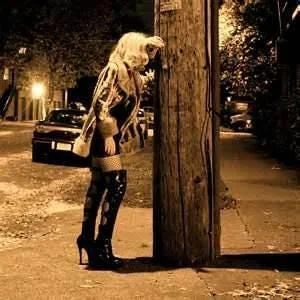
    A woman in high heels leans against a street pole at night, with dim streetlights illuminating the scene.

    The Power of Empowerment: How Sugar Babies and Escorts Take Control of Their Lives Despite Stigma

    In addition to financial and bodily empowerment, sugar babies and escorts also find a sense of self-worth and confidence through their work. Many individuals in these industries have faced stigma and judgment from society, friends, and family. However, by finding success and fulfillment in their work, they are able to challenge these negative perceptions and prove their critics wrong. This newfound confidence and self-worth can have a positive impact on all aspects of their lives, helping them to break free from limiting beliefs and expectations.

    Furthermore, the world of sugar babies and escorts is also a community of support and empowerment. These individuals often face similar challenges and stigmatization, which has led to the formation of online communities and support networks. These communities provide a safe space for sugar babies and escorts to connect, share experiences, and support each other. This sense of community and solidarity can be a powerful source of empowerment, especially for those who may feel isolated or judged in their personal lives.

    Despite the empowerment and fulfillment that many individuals in these industries find, there is no denying that there are still challenges and risks involved. The stigma and judgment from society can lead to discrimination and even legal consequences in some areas. However, sugar babies and escorts are using their empowerment to challenge these societal norms and fight for their rights. They are advocating for decriminalization and better protection for sex workers, and their voices are gaining more attention and support.

    In conclusion, the power of empowerment in the world of sugar babies and escorts cannot be underestimated. These individuals are taking control of their lives, challenging societal norms, and finding fulfillment and success in their work. By embracing their financial independence, reclaiming their bodies, building confidence, and finding support in their communities, they are proving that they are more than just the negative stereotypes often associated with their industries. It is time to recognize and celebrate the empowerment of sugar babies and escorts and support their fight for rights and recognition.

    SEO metadata:

  • The Stigma of Shame: Overcoming the Negative Labels Placed on Sugar Babies and Escorts

    The world of sugar babies and escorts is often shrouded in stigma and shame. These individuals are often judged and labeled as immoral, manipulative, and only in it for the money. However, this negative perception is not only unfair but also harmful to those who work in these industries. It is time to break the silence and shed light on the realities of being a sugar baby or escort, and how we can overcome the negative labels and stigma associated with these professions.

    The first step in overcoming the stigma of shame is understanding the reasons behind it. The societal perception of sugar babies and escorts is heavily influenced by outdated and biased views of sex and relationships. Society often views sex work as something dirty and taboo, and anyone who engages in it is automatically labeled as immoral and deviant. This narrow-minded view fails to acknowledge the complexities and nuances of these professions, and instead, reduces the individuals involved to negative stereotypes.

    One of the most damaging labels placed on sugar babies and escorts is that they are only in it for the money. This stereotype assumes that these individuals have no agency or autonomy, and are solely motivated by financial gain. However, the truth is that many people enter these professions for a variety of reasons, including the opportunity for financial stability, flexibility, and empowerment. It is important to recognize that these individuals are making a choice that works for them and their unique circumstances, and it is not our place to judge or shame them for it.

    Another common misconception is that sugar babies and escorts are manipulative and use their sexuality to take advantage of others. This stereotype is not only harmful but also completely false. These individuals are providing a service that is consensual and mutually beneficial. They are not forcing anyone to engage in any activities they are not comfortable with, and they have the right to set boundaries and say no. Just like any other job, they have the right to choose who they work with and what they are willing to do.

    The stigma and shame surrounding sugar babies and escorts also extend to their clients. Society often views these individuals as desperate, lonely, or perverted. This not only adds to the negative perception of these professions but also ignores the fact that many clients are simply looking for companionship and a safe space to explore their desires. These individuals should not be shamed or judged for seeking out these services, as long as it is done consensually and with respect for the providers.

    woman in a black dress standing by a car on a dimly lit street at night

    The Stigma of Shame: Overcoming the Negative Labels Placed on Sugar Babies and Escorts

    The impact of this stigma and shame on sugar babies and escorts is significant. It can lead to feelings of guilt, self-doubt, and even trauma. Many individuals in these professions are forced to hide their work from friends and family, afraid of being judged or ostracized. This secrecy and shame can have a detrimental effect on their mental health and overall well-being. It is time to break the silence and create a more accepting and understanding society.

    So how do we overcome this stigma of shame? The first step is to educate ourselves and challenge our own biases and misconceptions. We need to start viewing sugar babies and escorts as individuals with agency and autonomy, rather than just objects for our judgment and ridicule. We must also recognize the importance of consent in these industries and understand that no one is being forced into anything they are not comfortable with.

    It is also crucial to support and uplift those who work in these professions. Rather than shaming or judging them, we should show empathy and understanding. We can do this by advocating for their rights, listening to their stories, and treating them with the same respect and dignity that we would any other worker.

    Furthermore, it is essential to break the silence and start having open and honest conversations about these industries. By speaking out and sharing our experiences, we can help break down the stigma and create a more inclusive and accepting society. This also includes supporting organizations and movements that aim to destigmatize these professions and provide resources and support for those involved.

    In conclusion, the stigma of shame surrounding sugar babies and escorts is a harmful and unfair burden that needs to be addressed. We must challenge our own biases and misconceptions, support those who work in these professions, and have open and honest conversations to break the silence and create a more accepting and understanding society. Let us move away from judgment and shame and towards empathy and acceptance.

  • The Stigma Surrounding Sugar Babies and Escorts: How It Affects Their Lives

    When we hear the terms “sugar baby” or “escort,” a certain image may come to mind. These terms often carry a negative connotation due to societal stigma and misconceptions. But what exactly do these labels mean, and how does the stigma surrounding them affect the lives of those who identify as sugar babies or escorts?

    To start, let’s define these terms. A sugar baby is someone who enters into a mutually beneficial relationship with a wealthy, usually older, partner. This relationship can involve financial support, gifts, and sometimes intimacy. On the other hand, an escort is a person who provides companionship and/or sexual services in exchange for payment.

    For many, the idea of being a sugar baby or escort is seen as taboo or immoral. Society often views these individuals as gold diggers, prostitutes, or people who have low self-worth. But the reality is much more complex than these stereotypes.

    One common misconception is that sugar babies and escorts are forced or coerced into their work. While this unfortunately can be the case in some situations, many sugar babies and escorts enter the industry willingly and make a conscious decision to do so. They see it as a way to make a living, have financial stability, or explore their sexuality.

    However, the stigma surrounding these labels can have a significant impact on their lives. Due to the negative associations, sugar babies and escorts may feel shame and guilt about their profession. They may also face discrimination and judgment from friends, family, and society as a whole.

    This stigma can also affect their mental health. Constantly being labeled as “immoral” or “dirty” can take a toll on one’s self-esteem and self-worth. Many sugar babies and escorts struggle with feelings of inadequacy and internalized shame, which can lead to anxiety, depression, and other mental health issues.

    Another consequence of the stigma is the lack of legal protection for sugar babies and escorts. Sex work is often criminalized, which puts these individuals at risk of arrest, violence, and exploitation. They may also struggle with finding safe and supportive working environments, as many establishments refuse to serve those in the sex industry.

    Dimly lit street at night featuring a motel sign and shadows from nearby buildings.

    The Stigma Surrounding Sugar Babies and Escorts: How It Affects Their Lives

    Moreover, the stigma surrounding sugar babies and escorts also perpetuates the notion that their work is solely for the pleasure of men. This further objectifies and dehumanizes these individuals, disregarding their agency and choice in their profession. It also ignores the fact that there are many male, transgender, and nonbinary sugar babies and escorts, who face additional layers of stigma and discrimination.

    But it’s not all negative. Many sugar babies and escorts find empowerment and autonomy in their work. They have the ability to set their own boundaries and choose their clients, which can be empowering in a society that often tries to control women’s bodies. Some may also find fulfillment in their work, whether it’s through financial stability, exploring their sexuality, or building meaningful connections with their clients.

    It’s essential to recognize that being a sugar baby or escort is a form of work, and like any other job, it should be respected. These individuals deserve the same rights and protections as any other worker. As a society, we need to shift our perception and start treating them with dignity and respect.

    So, what can we do to break the stigma surrounding sugar babies and escorts? The first step is education. We need to have open and honest conversations about sex work and deconstruct the harmful stereotypes and misconceptions. We also need to support organizations and initiatives that advocate for the rights and well-being of sex workers.

    Furthermore, we need to change the way we view and treat those in the sex industry. Instead of judging and shaming, we should show empathy and understanding. We can start by using inclusive language and avoiding derogatory terms.

    In conclusion, the stigma surrounding sugar babies and escorts has a significant impact on their lives. It affects their mental health, safety, and overall well-being. It’s time to break the stigma and start treating these individuals with the respect and dignity they deserve. Let’s shift our perception and create a more inclusive and supportive society for all individuals, regardless of their profession.

    In summary, the terms “sugar baby” and “escort” often carry a negative connotation due to societal stigma and misconceptions. However, many individuals willingly enter into these professions and face discrimination, mental health issues, and lack of legal protection due to the stigma. It’s time to educate ourselves, change our attitudes, and support sex workers in their pursuit of autonomy and empowerment.

  • Sugar and Spice and Everything Nice? Exploring Power in Arrangements

    Sugar and spice and everything nice, that’s what little girls are made of. It’s a saying that has been ingrained in our minds since childhood, but have we ever stopped to think about its deeper meaning? The phrase implies that girls are supposed to be sweet, pleasant, and accommodating, while boys are expected to be tough, strong, and dominant. These gender stereotypes have been perpetuated for generations, and they have a significant impact on our society, especially in terms of power dynamics. In this blog post, we will explore the concept of power in arrangements, particularly when it comes to the notion of sugar and spice and everything nice.

    First, let’s define what we mean by power in arrangements. It refers to the distribution and exercise of power in social relationships, whether it’s in personal, professional, or societal settings. Power can be seen as a spectrum, with some individuals having more power than others. In traditional gender roles, men are usually seen as the ones in power, while women are expected to be submissive and accommodating.

    But why is there a power imbalance between men and women? It all goes back to societal expectations and norms. From a young age, girls are taught to be polite, nurturing, and obedient, while boys are encouraged to be assertive, competitive, and self-reliant. These expectations are reinforced through media, education, and even parental guidance.

    One way these gender stereotypes manifest is in the way girls and boys are raised. Girls are often given dolls, tea sets, and other toys that promote domestic roles, while boys are given action figures, cars, and other toys that encourage physical activities. This division of toys and activities reinforces the idea that girls are supposed to be gentle and passive, while boys are meant to be strong and dominant.

    As children grow up, these expectations and stereotypes continue to shape their behavior and perception of themselves and others. Girls are taught to be nice, to avoid conflict, and to put others’ needs before their own. On the other hand, boys are encouraged to be rough, to speak up, and to assert themselves. These differences in behavior can have a significant impact on power dynamics in relationships.

    A person in a red jacket and torn stockings stands near a car, holding a red bag while interacting with someone inside.

    Sugar and Spice and Everything Nice? Exploring Power in Arrangements

    In romantic relationships, for example, women are often expected to be the ones who compromise and make sacrifices. This expectation can lead to a power imbalance, with men having more control over the relationship. Women may also feel pressure to conform to traditional gender roles, such as being a homemaker and taking care of the household, while men are expected to be the breadwinners. This reinforces the idea that men hold more power in the relationship.

    Power imbalances can also be seen in the workplace. Women are often underrepresented in leadership positions, and they may also face discrimination and unequal pay compared to their male counterparts. This can be attributed to societal expectations that men are better suited for leadership roles, while women are better suited for nurturing and supportive roles.

    Moreover, women are also expected to be more emotionally intelligent and empathetic, which can be seen as a disadvantage in the workplace. This expectation can lead to women being taken advantage of and not being taken seriously in professional settings. On the other hand, men who display these qualities are seen as strong and effective leaders.

    It’s essential to recognize the impact of these societal expectations and gender stereotypes on power dynamics. They not only affect individuals but also the larger society. When women are limited in their opportunities and potential, it hinders progress and innovation. It also perpetuates the idea that men are superior and have more power.

    But how do we break free from these gender stereotypes and power imbalances? It starts with acknowledging and challenging these expectations. As a society, we need to promote gender equality and encourage individuals to be their authentic selves, regardless of their gender. We also need to educate ourselves and others about the harmful effects of gender stereotypes and the importance of equal representation and opportunities for all.

    In conclusion, the saying “sugar and spice and everything nice” may seem harmless, but it perpetuates harmful gender stereotypes that have a significant impact on power dynamics in relationships and society. We must challenge these expectations and promote gender equality to create a more inclusive and equal world.

  • Sugar and Spice and Everything Nice? The Truth About Power in Arrangements

    Sugar and spice and everything nice – these are the ingredients that are often associated with girls and femininity. From childhood, girls are taught to be sweet, kind, and nurturing – the epitome of being “nice.” And while there is nothing wrong with being a kind and caring person, this notion of “nice” can also be a form of power that is used to control and manipulate women in society. In this blog post, we will explore the truth about power in arrangements and how the concept of “sugar and spice and everything nice” plays a role in it.

    To fully understand the power dynamics at play in arrangements, we must first define what an arrangement is. An arrangement is a formal or informal agreement between two or more people that outlines the terms and conditions of their relationship. These relationships can be personal, professional, or even transactional. And while arrangements may seem harmless on the surface, they often involve a power imbalance between the parties involved.

    One of the most common power dynamics in arrangements is the use of “sugar and spice and everything nice” to control and manipulate women. This phrase, which has been ingrained in our society for generations, perpetuates the idea that women should always be kind, gentle, and submissive. It reinforces the belief that women should prioritize the needs and wants of others, often at the expense of their own well-being. This expectation of perpetual niceness can be seen in various aspects of a woman’s life, from personal relationships to the workplace.

    In personal relationships, women are often expected to be the “caretakers,” responsible for the emotional labor and well-being of their partners and families. This societal expectation puts pressure on women to always be kind and accommodating, even if it means suppressing their own needs and desires. This can lead to a power imbalance in the relationship, with one person holding more control and influence over the other.

    Similarly, in the workplace, women are often expected to be the “nice” ones, always smiling and agreeable, even in the face of discrimination and harassment. This expectation of niceness can be used by those in positions of power to maintain control and silence dissent. Women who speak up against unfair treatment or advocate for themselves may be labeled as “difficult” or “bossy,” while men who exhibit the same behavior are often praised for being assertive and confident.

    yellow 1999-2000 Ford Escort ZX2 parked at night among other cars in a lot

    Sugar and Spice and Everything Nice? The Truth About Power in Arrangements

    Moreover, the idea of “sugar and spice and everything nice” can also be used to justify unequal pay and opportunities for women. Women are often paid less than men for the same work, and this is justified by the belief that they are not as aggressive or competitive as men. This stereotype of women being “too nice” to succeed in the workplace not only limits their earning potential but also reinforces the notion that niceness is a desirable trait in women.

    Furthermore, the idea of being “nice” can also be used to control how women present themselves. Society often dictates how women should dress, speak, and behave in order to be considered “ladylike” and “nice.” This expectation can be used to limit a woman’s autonomy and freedom of expression, as she may fear being judged or labeled as “unladylike” if she deviates from societal norms. This can be particularly harmful to women who identify as LGBTQ+ or have non-conforming gender expressions, as they may face discrimination and backlash for not conforming to traditional notions of femininity.

    But the truth is, women are not just made of “sugar and spice and everything nice.” Women are complex and multifaceted beings with a wide range of emotions and characteristics. By perpetuating the idea that women should always be “nice,” we are not only limiting their potential but also disregarding their individuality and humanity. Women should not have to adhere to societal expectations of niceness to be accepted and respected.

    In addition to the power dynamics in personal relationships and the workplace, the concept of “sugar and spice and everything nice” also has implications in larger societal structures. For example, the beauty industry constantly bombards women with the message that they need to be “nice” in order to be considered attractive. This perpetuates the idea that a woman’s worth is tied to her physical appearance and reinforces the societal pressure to conform to unattainable beauty standards.

    So what can we do to break free from the constraints of “sugar and spice and everything nice”? The first step is to recognize and challenge the societal expectations placed on women. Women should be allowed to express their emotions, assert their boundaries, and pursue their goals without being labeled as “too aggressive” or “unladylike.” We should also celebrate and embrace the diversity and complexities of women, rather than trying to fit them into narrow stereotypes.

    In conclusion, “sugar and spice and everything nice” may seem like an innocent phrase, but it has deep-rooted implications in power dynamics and arrangements. As a society, we must move away from these limiting and harmful expectations and allow women to be their authentic selves. Only then can we achieve true equality and empower women to live their lives on their own terms.