Tag: Gender Roles

  • The Price of Love: Why Wealthy Gentlemen are Willing to Pay for Companionship

    Summary:

    Love has always been a complicated and elusive concept, especially when it comes to the wealthy and elite of society. While many may think that these individuals have it all and can easily find love, the reality is often much different. For some wealthy gentlemen, the price of love comes in the form of paying for companionship.

    In this blog post, we will explore the reasons why wealthy men are willing to pay for companionship and the impact it has on their relationships and society as a whole. We will delve into the world of high-end escort services and the motivations behind both the clients and the companions. We will also discuss the potential consequences and controversies surrounding this practice.

    From loneliness to societal expectations, there are various factors that drive wealthy men to seek companionship for a fee. Many of these men have busy and demanding careers that leave little time for traditional dating and relationships. They may also feel isolated and disconnected from others due to their wealth and status, making it difficult to find genuine connections. In some cases, men may also use paid companionship as a way to avoid emotional attachment and commitment.

    On the other side, the companions working for high-end escort services often come from diverse backgrounds and may have their own motivations for entering this line of work. Some may see it as a way to support themselves financially, while others may enjoy the luxurious lifestyle and the opportunity to meet interesting and influential people.

    A woman's leg in high heels leans against a railing on a dimly lit street at night.

    The Price of Love: Why Wealthy Gentlemen are Willing to Pay for Companionship

    However, the price of love in this context goes beyond just money. It also encompasses emotional labor and the expectations that come with it. Companions are expected to provide not just physical intimacy, but also emotional support and companionship. They are often required to be well-educated, well-spoken, and able to engage in intellectual conversations with their clients.

    This dynamic can have a significant impact on both the clients and the companions. For clients, they may become dependent on paid companionship and struggle to form genuine connections and relationships outside of this transactional setting. This can lead to a cycle of loneliness and emotional detachment.

    For companions, the emotional labor and expectations placed on them can be taxing and may blur the lines between work and personal life. They may also face stigma and judgement from society for their chosen profession. While some may enjoy the lifestyle and financial benefits, others may struggle with the emotional toll it takes on them.

    The practice of paying for companionship also raises ethical concerns and controversies. Some argue that it perpetuates the objectification and exploitation of women, as many of the companions are female. There are also concerns about the safety and well-being of these companions, as they may be at risk of abuse or violence from clients.

    In conclusion, the price of love for wealthy gentlemen takes on a different form than the traditional notions of romance and relationships. It involves a transactional exchange of money and emotional labor, and its impact can be complex and far-reaching. While it may fulfill certain needs and desires for both the clients and the companions, it also raises important questions about societal expectations, gender roles, and the value of genuine human connection.


  • The Rising Trend of 28-Year-Old Men Seeking Sugar Babies

    The Rising Trend of 28-Year-Old Men Seeking Sugar Babies

    In recent years, there has been a growing trend of 28-year-old men seeking sugar babies. This phenomenon, often referred to as “sugar dating,” has gained popularity in mainstream media and has sparked discussions about the changing dynamics of relationships and dating. While some may see it as a controversial practice, others argue that it is simply a modern take on traditional relationships. So why are so many 28-year-old men turning to sugar dating? In this blog post, we will explore the reasons behind this trend and the impact it has on modern dating culture.

    What is Sugar Dating?

    Before delving into the trend of 28-year-old men seeking sugar babies, it is essential to understand what sugar dating is. Sugar dating is a type of relationship in which a wealthy, older individual (known as a sugar daddy or sugar mommy) provides financial and material support to a younger, attractive person (known as a sugar baby) in exchange for companionship, intimacy, and/or sexual favors. This type of arrangement is often mutually beneficial, with the sugar daddy or mommy receiving companionship and the sugar baby receiving financial support.

    The Changing Dynamics of Modern Dating

    The rise of sugar dating among 28-year-old men can be attributed to the changing dynamics of modern dating. With the rise of social media and dating apps, traditional dating has become more challenging, and the expectations of relationships have shifted. Many young adults in their late twenties are focusing on their careers and personal development, leaving little time for traditional dating. This can make it challenging to find a committed partner, leading some to turn to sugar dating as an alternative.

    Similarly, the concept of marriage and starting a family has also shifted for this generation. While previous generations may have felt societal pressure to get married and settle down in their late twenties, this is no longer the case. As a result, some 28-year-old men may feel less pressure to find a serious, long-term relationship and may instead opt for a more casual and financially beneficial arrangement.

    Financial Stability and Independence

    Another factor contributing to the rise of 28-year-old men seeking sugar babies is their financial stability and independence. Unlike previous generations, many young adults in their late twenties are financially stable due to their education and career opportunities. This financial stability may make them more attractive to sugar babies, who are often seeking financial support from their partners. Additionally, some 28-year-old men may see sugar dating as a way to enjoy their financial success and provide for a younger partner without the commitment and responsibilities of a traditional relationship.

    Woman in a red jacket leans over a car at night on a dimly lit street.

    The Rising Trend of 28-Year-Old Men Seeking Sugar Babies

    Power Dynamics and Gender Roles

    The power dynamics and traditional gender roles in sugar dating also play a significant role in the trend of 28-year-old men seeking sugar babies. In this type of relationship, the sugar daddy or mommy is often the one in a position of power due to their financial status. This can be appealing to some 28-year-old men, as it allows them to take on a dominant role in the relationship and fulfill traditional gender roles of being a provider and protector.

    On the other hand, some sugar babies may feel empowered by their ability to trade companionship for financial support, challenging traditional gender roles and power dynamics in relationships. This dynamic can be seen as a way to level the playing field in a relationship and provide a sense of control for both parties.

    Criticism and Controversy

    While sugar dating may seem like a modern and progressive take on relationships, it has also faced criticism and controversy. Some argue that it reinforces gender stereotypes and objectifies women, who are often younger and financially dependent on their partners. There are also concerns about the potential for exploitation and abuse within these types of relationships.

    Additionally, sugar dating may also contribute to the perpetuation of income inequality and the widening wealth gap. As more 28-year-old men seek sugar babies, it can exacerbate the unequal distribution of wealth and privilege in society.

    In Summary

    The rising trend of 28-year-old men seeking sugar babies can be attributed to various factors, including changing dynamics of modern dating, financial stability and independence, power dynamics and gender roles, and criticism and controversy. While it may be seen as a controversial practice, it is essential to acknowledge that sugar dating is a personal choice for both parties involved and should not be judged or stigmatized.

    In the end, it is crucial to remember that relationships come in all shapes and forms, and as long as both parties are consenting and happy, it is not for others to judge. Whether sugar dating is a passing trend or a new norm in modern relationships, it is clear that it has sparked discussions about the evolving nature of love, companionship, and intimacy in the 21st century.

  • Breaking the Mold: The Modern Sugar Daddy and His Upscale Companion

    Breaking the Mold: The Modern Sugar Daddy and His Upscale Companion

    In today’s society, the concept of a sugar daddy and his upscale companion has evolved significantly. Gone are the days of a wealthy, older man solely providing financial support to a younger woman in exchange for companionship. Instead, the modern sugar daddy and his upscale companion have a more complex and equal relationship dynamic, breaking the traditional mold and challenging societal norms.

    The term “sugar daddy” has been around for decades and typically refers to an older man who is financially well-off and provides financial support, gifts, and luxuries to a younger woman in exchange for her companionship, intimacy, and sometimes sexual favors. This arrangement has often been stigmatized and viewed as a form of sex work or even prostitution. However, in recent years, the concept of a sugar daddy and his upscale companion has undergone a transformation, giving rise to a new type of relationship that is more than just a transaction.

    One of the key factors in this shift is the changing attitudes towards gender roles and relationships. With more women holding high-paying jobs and being financially independent, they are no longer looking for a sugar daddy solely for financial support. Instead, they seek a partner who can provide emotional support, mentorship, and experiences that they may not be able to afford on their own.

    This has led to the emergence of a new type of sugar daddy – the modern sugar daddy. These men are typically younger, more progressive, and have a different mindset when it comes to relationships. They are not seeking a traditional sugar baby who is solely reliant on them for financial support. Instead, they are looking for a modern, independent, and confident woman who can be their equal partner.

    Woman in a beige coat and knee-high boots smiles confidently on a city street.

    Breaking the Mold: The Modern Sugar Daddy and His Upscale Companion

    The modern sugar daddy is not just focused on providing material possessions to his upscale companion. He is more interested in building a genuine connection and a mutually beneficial relationship. This often includes mentorship, networking opportunities, and guidance in career and personal growth. In return, the upscale companion brings her own unique qualities to the relationship, such as her intelligence, ambition, and independence.

    One of the most significant changes in the modern sugar daddy and upscale companion dynamic is the emphasis on consent and boundaries. In the past, sugar relationships were often seen as transactional, with the sugar daddy having complete control and power over the sugar baby. However, in the modern sugar daddy and upscale companion relationship, consent and communication are key. Both parties are empowered to set boundaries and negotiate the terms of their arrangement, ensuring that both individuals are comfortable and happy with the dynamic.

    Another factor contributing to the evolution of the sugar daddy and upscale companion relationship is the rise of digital technology and social media. With the popularity of dating apps and websites, it has become easier for sugar daddies and upscale companions to connect and find each other. This has also allowed for more diverse and unconventional relationships to form, breaking the traditional mold and opening up possibilities for individuals of different ages, backgrounds, and sexual orientations to form sugar relationships.

    The modern sugar daddy and his upscale companion also challenge societal norms and expectations when it comes to age, gender, and wealth. While the traditional sugar daddy was often portrayed as an older, wealthy man, the modern sugar daddy can be anyone, regardless of age or financial status. Similarly, the upscale companion is not limited to a young, beautiful woman but can also be a man, transgender individual, or someone who does not conform to society’s standards of beauty.

    It is essential to note that the modern sugar daddy and his upscale companion relationship is not for everyone. It requires a high level of trust, communication, and mutual understanding. However, for those who enter into this type of relationship, it can be a fulfilling and empowering experience, challenging societal norms and allowing individuals to explore their desires and needs in a safe and consensual manner.

    In conclusion, the modern sugar daddy and upscale companion relationship have come a long way from its traditional roots. It has evolved into a more complex and equal partnership, breaking the mold and challenging societal norms. With changing attitudes towards gender roles and relationships, the rise of digital technology, and a focus on consent and boundaries, the modern sugar daddy and his upscale companion have paved the way for a new type of relationship that is empowering and fulfilling for both parties involved.

  • The Evolution of the Sugar Daddy-Upscale Companion Dynamic

    Blog Post:

    The concept of a “sugar daddy” and an “upscale companion” has evolved greatly over the years. What was once seen as a taboo and secretive relationship has now become more open and accepted in society. In this blog post, we will explore the history and evolution of the sugar daddy-upscale companion dynamic and how it has changed over time.

    The term “sugar daddy” can be traced back to the early 1900s, where it was used to describe wealthy men who financially supported younger women in exchange for companionship or sexual favors. These relationships were often kept secret and were seen as scandalous, with the women being labeled as gold diggers and the men as predators.

    However, as society progressed and the roles of men and women shifted, so did the dynamics of these relationships. In the 1950s and 1960s, the concept of a “sugar daddy” took on a more positive connotation, with men being seen as providers and women as grateful recipients of their generosity. This was also the time when the term “sugar baby” was first introduced.

    As the feminist movement gained momentum in the 1970s, the idea of a woman being financially dependent on a man became less desirable. This led to a decline in the popularity of sugar daddy relationships, as women began to prioritize their independence and career goals over seeking financial support from men.

    However, in the 1990s and early 2000s, the concept of a sugar daddy underwent another shift. With the rise of the internet and online dating, a new type of sugar daddy emerged – the tech-savvy, successful businessman who was willing to financially support a young woman in exchange for a mutually beneficial arrangement. This gave birth to websites and platforms specifically designed for sugar daddy and sugar baby relationships, making it easier for like-minded individuals to connect.

    Dimly lit street at night featuring a motel sign and shadows from nearby buildings.

    The Evolution of the Sugar Daddy-Upscale Companion Dynamic

    At the same time, the term “upscale companion” also emerged, referring to men and women who provided companionship and other services to wealthy clients in exchange for financial support. These arrangements were often seen as more sophisticated and less transactional than traditional sugar daddy relationships.

    In recent years, the sugar daddy-upscale companion dynamic has become even more mainstream and accepted. With the rise of social media and influencers, the idea of being a sugar baby or upscale companion has been glamorized and normalized. Many young women see it as a way to achieve a luxurious lifestyle and network with successful individuals, while men see it as a way to have a beautiful, intelligent woman by their side without the commitment and emotional baggage of a traditional relationship.

    Furthermore, with the increasing cost of living and student debt, more and more young people are turning to sugar daddy relationships as a way to financially support themselves. This has also led to a rise in the number of male sugar babies and female sugar daddies, breaking away from the traditional gender roles associated with these dynamics.

    Today, the sugar daddy-upscale companion dynamic continues to evolve and adapt to the changing societal norms and values. With more open discussions and representation in media, it is becoming less taboo and more accepted in society. Many individuals in these arrangements now prioritize communication, honesty, and mutual respect, making it a more positive and fulfilling experience for both parties involved.

    In conclusion, the evolution of the sugar daddy-upscale companion dynamic reflects the changes in society’s attitudes towards relationships, gender roles, and financial independence. What was once seen as a secretive and scandalous arrangement has now become more mainstream and accepted, with individuals of all genders and backgrounds engaging in these relationships. As long as there is an understanding and respect between both parties, the sugar daddy-upscale companion dynamic can be a mutually beneficial and fulfilling experience.

    Summary:

    The concept of a sugar daddy and an upscale companion has evolved greatly over the years. What was once seen as a taboo and secretive relationship has now become more open and accepted in society. The term “sugar daddy” emerged in the early 1900s to describe wealthy men who financially supported younger women in exchange for companionship or sexual favors. However, as society progressed, the dynamics of these relationships also changed. With the rise of the feminist movement, the popularity of sugar daddy relationships declined, but with the emergence of online dating and social media, a new type of sugar daddy and upscale companion emerged. These dynamics have become even more mainstream and accepted in recent years, with more open discussions and representation in media. As long as there is understanding and respect between both parties, the sugar daddy-upscale companion dynamic can be a mutually beneficial and fulfilling experience.

  • The Role of Sugar Daddy Arrangements in Empowering Women

    Blog Post:

    In recent years, the concept of sugar daddy arrangements has become increasingly popular, with more and more women seeking out these relationships. While there is often a stigma attached to these arrangements, they can actually play a significant role in empowering women. In this blog post, we will explore the various ways in which sugar daddy arrangements can empower women and challenge the negative stereotypes surrounding them.

    First and foremost, it is important to understand what a sugar daddy arrangement entails. In simple terms, it is a relationship between an older, financially stable man (the sugar daddy) and a younger, attractive woman (the sugar baby). The sugar daddy provides financial support, gifts, and experiences in exchange for companionship and intimacy. While this may sound like a one-sided, transactional relationship, there are actually many ways in which it can benefit the women involved.

    One of the most obvious ways in which sugar daddy arrangements empower women is through financial stability. In a society where women still face a gender pay gap and struggle to achieve financial independence, these arrangements offer a way for women to support themselves without relying on traditional forms of income. This can be especially beneficial for single mothers, students, or those struggling to make ends meet. By providing a steady stream of income, sugar daddy arrangements can give women the financial freedom to pursue their dreams and goals, without being held back by financial constraints.

    Moreover, these arrangements can also provide opportunities for personal and professional growth. Many sugar daddies are successful, established businessmen who can offer valuable mentorship and networking opportunities to their sugar babies. This can be particularly beneficial for young women who are just starting their careers and can benefit from the guidance and support of a successful mentor. These arrangements can also provide access to luxurious experiences, such as attending high-end events or traveling to exotic locations, which can broaden a woman’s horizons and help her develop new skills and interests.

    woman with a shaved head in a black outfit poses on a city street at night, illuminated by streetlights and car headlights

    The Role of Sugar Daddy Arrangements in Empowering Women

    Another important aspect of sugar daddy arrangements is the emphasis on mutual respect and consent. Unlike traditional relationships, these arrangements are based on a clear and transparent agreement between both parties. This means that the power dynamic is more balanced, and women are able to negotiate the terms of the relationship and set boundaries. In a society where women are often objectified and their voices are not always heard, these arrangements give women the agency to make choices about their own bodies and relationships.

    Furthermore, sugar daddy arrangements can also challenge societal expectations and stereotypes surrounding age and gender roles. Women are often judged for dating older men, with assumptions being made about their motives and intentions. However, in a sugar daddy arrangement, age is not a barrier but rather a mutual attraction. These relationships can also challenge gender norms, as women are not expected to be financially dependent on men and can take on the role of the provider. This can be empowering for women, as it allows them to break free from traditional gender roles and expectations.

    It is also worth noting that sugar daddy arrangements are not just about financial support and material possessions. Many sugar daddies are looking for genuine emotional connections and companionship, and are willing to invest time and effort into building a meaningful relationship with their sugar babies. This can be a refreshing change from traditional dating, where women often face pressure to conform to societal expectations and play games to attract a partner. In sugar daddy arrangements, women are valued for who they are, and their intelligence, personality, and interests are just as important as their physical appearance.

    In conclusion, sugar daddy arrangements have the potential to empower women in many ways. They offer financial stability, personal and professional growth, agency and autonomy, and the opportunity to challenge societal expectations and stereotypes. While there may still be some negative perceptions surrounding these arrangements, it is important to recognize that they can be a source of empowerment for women, and should not be judged or stigmatized. As long as both parties are consenting adults and the relationship is based on mutual respect and understanding, sugar daddy arrangements can play a positive role in empowering women and giving them the freedom to live life on their own terms.

    In summary, sugar daddy arrangements can empower women by providing financial stability, opportunities for personal and professional growth, promoting mutual respect and consent, challenging societal expectations and stereotypes, and valuing women for more than just their appearance. While there may be stigma attached to these arrangements, it is important to recognize the positive impact they can have on the lives of women involved.

  • Sugar Daddy Arrangements and Feminism: Can They Coexist?

    Blog Post Title: Sugar Daddy Arrangements and Feminism: Can They Coexist?

    Sugar daddy arrangements have been a controversial topic for years, with many questioning the morality and ethics behind these relationships. On one hand, there are those who argue that these arrangements are a form of exploitation and objectification of women. On the other hand, there are those who see it as a consensual transaction between two adults. However, with the rise of feminism and the push for gender equality, the question arises: Can sugar daddy arrangements and feminism coexist?

    To answer this question, we must first understand what sugar daddy arrangements are and how they work. In simple terms, a sugar daddy arrangement is a relationship between an older, wealthy man (the sugar daddy) and a younger, attractive woman (the sugar baby). The sugar daddy provides financial support and lavish gifts in exchange for the company and companionship of the sugar baby. These arrangements can range from casual dates to more serious relationships, and the terms and boundaries are usually negotiated between the two parties.

    Now, let’s delve into the arguments for and against sugar daddy arrangements coexisting with feminism.

    The Argument Against Sugar Daddy Arrangements and Feminism:
    One of the main arguments against sugar daddy arrangements is that it perpetuates gender stereotypes and reinforces the idea that a woman’s worth is tied to her looks and the ability to please a man. Critics argue that these arrangements are exploitative and objectify women, reducing them to mere objects for a man’s pleasure.

    Feminists also argue that these arrangements perpetuate the patriarchal notion that women are dependent on men for financial stability. By relying on a sugar daddy for financial support, sugar babies are seen as unable to support themselves and are therefore disempowered. This goes against the very core of feminism, which advocates for gender equality and self-sufficiency for women.

    Furthermore, sugar daddy arrangements can also lead to power imbalances in the relationship. The sugar daddy, being the one with the financial resources, may hold more control and influence over the sugar baby. This can result in the sugar baby feeling pressured to comply with the sugar daddy’s desires and expectations, even if they go against her own values and beliefs.

    A person in a red jacket and torn stockings stands near a car, holding a red bag while interacting with someone inside.

    Sugar Daddy Arrangements and Feminism: Can They Coexist?

    The Argument For Sugar Daddy Arrangements and Feminism:
    On the other hand, proponents of sugar daddy arrangements argue that these relationships are a form of consensual sex work and should be respected as a valid choice for women. They believe that as long as both parties enter the arrangement willingly and negotiate the terms and boundaries, there is nothing wrong with it.

    Some feminists also argue that sugar daddy arrangements can actually empower women by giving them financial independence and control over their own bodies. In a society where women are still paid less than men and face financial challenges, sugar daddy arrangements can provide a means for women to support themselves and achieve financial stability.

    Moreover, these arrangements can also challenge traditional gender roles by allowing women to take on the role of the provider and be in control of the relationship. In some cases, sugar babies may even use their financial independence to pursue their education or career goals, which aligns with feminist values.

    Can They Coexist?
    So, can sugar daddy arrangements and feminism coexist? The answer is not a simple yes or no. It ultimately depends on the individual’s beliefs and values.

    Some may argue that sugar daddy arrangements go against the principles of feminism, while others may see it as a form of empowerment and a personal choice. However, it is important to acknowledge that there are problematic aspects of these arrangements, such as power imbalances and the perpetuation of gender stereotypes. Therefore, it is crucial for both parties to have open and honest communication and for the sugar baby to have agency and autonomy in the relationship.

    In the end, it is up to individuals to make their own choices and decisions, as long as they are done with respect and consent.

    Summary:
    Sugar daddy arrangements have been a topic of debate, with some arguing that they perpetuate gender stereotypes and exploit women, while others see it as a consensual transaction and a form of empowerment. With the rise of feminism, the question arises: Can these arrangements coexist with feminism? While there are valid arguments on both sides, it ultimately depends on the individual’s beliefs and values. However, it is important to recognize the potential problematic aspects of these arrangements and prioritize open communication and agency for the sugar baby.

  • The Rise of Female Sugar Daddies: Breaking Gender Stereotypes

    Blog Post: The Rise of Female Sugar Daddies: Breaking Gender Stereotypes

    When we think of sugar daddies, the image that often comes to mind is an older, wealthy man showering a younger woman with gifts and financial support in exchange for companionship and possibly even a romantic relationship. However, in recent years, there has been a shift in this dynamic as more and more women are taking on the role of sugar daddies. This rise of female sugar daddies not only challenges traditional gender roles and stereotypes, but it also opens up a larger conversation about the complexities of modern relationships and the power dynamics at play. In this blog post, we will explore the rise of female sugar daddies and how it is breaking gender stereotypes.

    Breaking Stereotypes: The Male Sugar Daddy

    Before delving into the rise of female sugar daddies, it’s important to first understand the traditional role of a sugar daddy. Historically, the term “sugar daddy” was used to describe an older, wealthy man who would financially support a younger woman in exchange for companionship. This type of relationship was often seen as scandalous and taboo, with the man being labeled as a “sugar daddy” and the woman being referred to as a “gold digger.” This stereotype perpetuated the notion that women were only interested in men for their money and that men were the ones with the power and control in a relationship.

    However, this stereotype is being challenged as more and more women are taking on the role of sugar daddies. These women are successful, financially independent, and often older than their male counterparts. They are not looking for a traditional relationship with a man who will support them, but rather they are seeking a mutually beneficial arrangement where they can provide financial support and mentorship to a younger partner.

    The Rise of Female Sugar Daddies

    So why are more women choosing to become sugar daddies? There are a few factors at play here. Firstly, the gender pay gap still exists, and women are often paid less than men for the same job. This means that many successful women have more disposable income and are able to take on the role of a sugar daddy. Additionally, societal expectations and gender roles have shifted, allowing women to feel more empowered and in control of their relationships and finances.

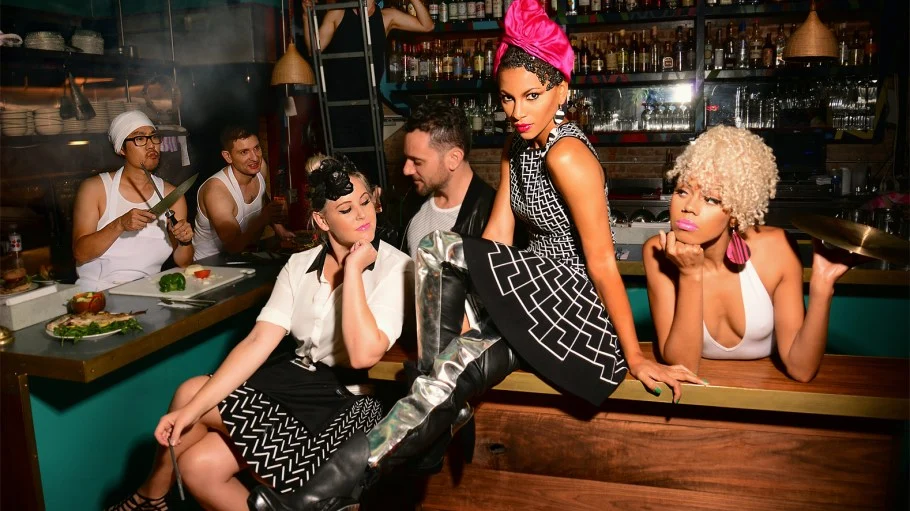
    A vibrant scene featuring stylish individuals in a lively restaurant setting, showcasing fashion and culinary activity.

    The Rise of Female Sugar Daddies: Breaking Gender Stereotypes

    Furthermore, the rise of online dating and sugar daddy websites has made it easier for women to connect with potential sugar babies. These websites offer a platform for women to be upfront about their financial status and what they are looking for in a relationship. This removes the stigma and secrecy that was once associated with being a sugar daddy, allowing more women to feel comfortable and confident in their role.

    Challenging Traditional Gender Roles

    The rise of female sugar daddies is not just about challenging the traditional sugar daddy stereotype, but it also challenges gender roles in relationships. In a traditional sugar daddy relationship, the man is seen as the provider and the one with all the power, while the woman is seen as the recipient and the one who is dependent on the man. However, in a female sugar daddy relationship, the roles are reversed. The woman is the one with the financial power and control, and the man is the one who is dependent on her.

    This shift in power dynamics can be seen as a form of empowerment for women. By taking on the role of a sugar daddy, women are asserting their financial independence and challenging societal expectations of what a “traditional” relationship should look like. It also allows women to set their own terms and boundaries in a relationship, rather than being at the mercy of a man’s financial support.

    The Complexity of Modern Relationships

    The rise of female sugar daddies also brings to light the complexities of modern relationships. In a traditional sugar daddy relationship, there is a clear exchange of money for companionship. However, in female sugar daddy relationships, the lines can be blurred. Some women may seek a strictly transactional relationship, while others may be looking for a genuine emotional connection with their sugar baby. This blurring of lines challenges the notion of what a “real” relationship should look like and highlights the different ways in which people define and experience romantic connections.

    Summary:

    The rise of female sugar daddies is breaking gender stereotypes and challenging the traditional sugar daddy dynamic. More and more women are taking on the role of sugar daddies, providing financial support and mentorship to younger partners. This shift in power dynamics not only empowers women but also challenges traditional gender roles in relationships. The rise of female sugar daddies also highlights the complexities of modern relationships and the different ways in which people define and experience romantic connections.

  • The High-Stakes Game of Private Escorting for VIPs

    The High-Stakes Game of Private Escorting for VIPs

    In the world of high society and the elite, there exists a secretive and exclusive industry known as private escorting for VIPs. This is a high-stakes game where wealthy and powerful individuals seek out the company of beautiful and sophisticated escorts, often for more than just companionship. These VIPs are willing to pay top dollar for the ultimate experience, and the escorts who cater to them must navigate a complex and dangerous world in order to fulfill their clients’ desires and maintain their own safety and reputation. In this blog post, we will take a closer look at the world of private escorting for VIPs and the unique challenges and rewards it presents.

    The VIP escorting industry is shrouded in secrecy and discretion, as most of the clients and escorts involved prefer to keep their activities private. However, it is estimated to be a multi-billion dollar industry, with clients ranging from wealthy businessmen and politicians to celebrities and royalty. These VIPs often have busy and demanding schedules, and they turn to private escorts to fulfill their desires and provide them with a sense of escape and relaxation.

    But being a VIP escort is not just about looking beautiful and being available when called upon. It requires a unique set of skills and qualities, including intelligence, sophistication, charm, and the ability to adapt to different situations and personalities. These escorts must also possess impeccable manners and social etiquette, as they often accompany their clients to high-profile events and social gatherings.

    One of the most crucial aspects of being a VIP escort is maintaining confidentiality. These clients value their privacy above all else, and they expect their escorts to do the same. This means that escorts must be extremely careful about what they say and do, as even the smallest slip-up could jeopardize their clients’ reputation and trust. Many VIP escorts also sign non-disclosure agreements to further protect their clients’ privacy.

    A damaged green 1995 Ford Escort parked on a city street beside a tree and brick buildings.

    The High-Stakes Game of Private Escorting for VIPs

    Another challenge that VIP escorts face is ensuring their own safety. While the majority of clients are respectful and well-behaved, there have been instances of escorts being subjected to physical or emotional harm. This is why many agencies have strict screening processes for both clients and escorts, and some even provide security personnel to accompany the escorts on their appointments. Escorts must also be vigilant and trust their instincts when it comes to their safety, as they often meet with clients in private and unfamiliar locations.

    In addition to safety concerns, VIP escorts also have to navigate the legalities of their profession. In most countries, prostitution is illegal, and there is a fine line between being a VIP escort and engaging in illegal activities. This is why reputable agencies and escorts make sure to stay within the boundaries of the law, and only provide companionship and entertainment services to their clients. However, there have been cases where escorts have been arrested and charged, which can have serious consequences for their careers and personal lives.

    Despite the risks and challenges, the rewards for VIP escorts can be substantial. With their high-paying clients, they can earn a significant amount of money in a short period of time. This allows them to live a luxurious lifestyle and have financial stability, something that may not be possible with a traditional job. Additionally, VIP escorts often have the opportunity to travel to exotic locations and attend exclusive events, giving them a taste of the high life.

    But the world of private escorting for VIPs is not without its controversies and criticisms. Some argue that it perpetuates the objectification and exploitation of women, and that it reinforces gender stereotypes and inequality. Others argue that these escorts are simply providing a service that their clients are willing to pay for, and that they have the agency to choose their clients and the services they provide. The debate continues, but what is clear is that VIP escorting is a complex and multifaceted industry that cannot be easily reduced to black-and-white arguments.

    In conclusion, private escorting for VIPs is a high-stakes game that comes with its own set of challenges and rewards. It requires a unique set of skills and qualities, as well as the ability to navigate a complicated and sometimes dangerous world. While it may not be a conventional career, it offers financial stability and the opportunity for a luxurious lifestyle. But it also raises questions and criticisms about gender roles and societal expectations. Ultimately, the world of private escorting for VIPs is a complex and enigmatic one that continues to intrigue and fascinate.

  • The Allure of Wealthy Men for Companions: A Psychological Perspective

    Blog Post:

    When it comes to dating and relationships, people often have certain preferences and standards. For some, one of those preferences may be the allure of wealthy men. This attraction towards men with wealth and status has been a topic of fascination and controversy for centuries. From the iconic image of the “sugar daddy” to the popular culture depiction of gold diggers, the association between money and attractiveness has been ingrained in our society. But what is it about wealthy men that make them so desirable as companions? In this blog post, we will delve into the psychological perspective behind the allure of wealthy men for companions.

    Firstly, it is important to understand that our perceptions of attractiveness are greatly influenced by societal norms and media portrayal. Throughout history, men have been seen as providers and protectors, and wealth has been associated with power and success. This translates into the belief that a man’s worth is determined by his financial status. As a result, women are socialized to seek out men who can provide for them and their potential offspring. This traditional gender role expectation has been reinforced through generations and has become deeply ingrained in our subconscious.

    From an evolutionary perspective, this attraction towards wealthy men can also be explained by the concept of “survival of the fittest”. In prehistoric times, women were dependent on men for resources and protection. Therefore, the instinct to seek out a mate with abundant resources for survival was necessary for the continuation of the species. This primal instinct is still present in our modern society, even though women are more independent and capable of providing for themselves.

    Furthermore, research has shown that women are biologically wired to be attracted to men with resources. A study published in the journal Evolution and Human Behavior found that women were more likely to choose men with higher income potential as long-term partners. This is believed to be linked to our innate desire for security and stability. Wealthy men are seen as more capable of providing a comfortable and secure lifestyle, which is a desirable quality for a long-term relationship.

    woman in a black dress posing on a bed with purple curtains and soft lighting in a cozy room

    The Allure of Wealthy Men for Companions: A Psychological Perspective

    Apart from the practical benefits of being with a wealthy man, there are also psychological factors at play. A study by Harvard Business School found that people tend to associate wealth with positive characteristics such as intelligence, confidence, and success. This perception is further reinforced by the media, which often portrays wealthy men as powerful and attractive. As a result, women may subconsciously equate being with a wealthy man to experiencing a higher social status themselves.

    Moreover, being with a wealthy man also brings about a sense of security and validation. In a society where success and financial status are highly valued, being in a relationship with a wealthy man can be seen as a reflection of one’s own worth and desirability. This can lead to a boost in self-esteem and a sense of pride in being chosen by a wealthy and successful partner.

    However, it is important to note that the allure of wealthy men is not solely based on external factors such as wealth and status. It is also influenced by internal factors such as childhood experiences and personal values. Some women may have grown up in households where wealth was highly valued and equated to success and happiness. As a result, they may seek out wealthy men as a way to fulfill their own desires and beliefs. On the other hand, some women may value honesty, respect, and compatibility over financial status and may not be drawn to wealthy men at all.

    In conclusion, the allure of wealthy men for companions can be attributed to a combination of societal norms, evolutionary instincts, and personal preferences. Wealth and status have long been associated with power and success, making them desirable qualities in a partner. Additionally, our biological and psychological makeup also plays a role in our attraction towards wealthy men. However, it is important to recognize that wealth does not define a person’s worth or character, and true compatibility and mutual respect are important factors in any relationship.

    In summary, the allure of wealthy men for companions is a complex phenomenon influenced by various societal, evolutionary, and psychological factors. While it may be a common preference for some individuals, it is important to remember that true compatibility and mutual respect are essential for a successful and fulfilling relationship.

  • Sugar Daddy Diaries: Real Stories from Sugar Babies

    Sugar Daddy Diaries: Real Stories from Sugar Babies is a book written by journalist Helen Croydon, who spent two years in the world of sugar dating, documenting her experiences and those of other sugar babies. The book offers a fascinating and eye-opening look into the world of sugar dating, a type of arrangement where wealthy, older men (sugar daddies) provide financial support and gifts to younger women (sugar babies) in exchange for companionship and sometimes, a physical relationship. While some may view this as a controversial and taboo topic, the book sheds light on the complexities and nuances of sugar dating, and the real stories of those involved.

    The book begins with Croydon’s own journey into the world of sugar dating. As a single and struggling journalist, she was intrigued by the idea of having a sugar daddy who could support her financially and offer her a luxurious lifestyle. She signs up to a sugar dating website and soon finds herself on dates with wealthy and successful men. Through her experiences and interviews with other sugar babies, Croydon delves into the different types of sugar daddies, their motivations for being in a sugar arrangement, and the dynamics of their relationships with their sugar babies.

    One of the most interesting aspects of the book is the variety of sugar daddy and sugar baby relationships that are explored. Some sugar daddies are looking for a traditional girlfriend experience, while others are seeking a more transactional arrangement. Some sugar babies are in it purely for the financial benefits, while others genuinely enjoy the companionship and mentorship that comes with being a sugar baby. The book also touches on the issue of power dynamics in these relationships, with some sugar daddies using their wealth and influence to control their sugar babies.

    Croydon also addresses the misconceptions and stereotypes surrounding sugar dating. While some may see it as a form of prostitution, the book challenges this notion and shows that sugar dating is a complex and multifaceted world that cannot be simply reduced to labels. The book also highlights the fact that many sugar babies are highly educated and ambitious women, who choose to enter into sugar arrangements as a way to support themselves financially and achieve their goals.

    A woman's leg in high heels leans against a railing on a dimly lit street at night.

    Sugar Daddy Diaries: Real Stories from Sugar Babies

    One of the most intriguing aspects of the book is the insight it provides into the minds of sugar daddies. Through her interviews, Croydon discovers that many sugar daddies are seeking emotional connection and companionship, rather than just physical intimacy. Some of them are also drawn to the idea of being a mentor and helping their sugar babies achieve their dreams. However, the book also delves into the darker side of sugar dating, with some sugar daddies being controlling and manipulative, and some sugar babies having negative experiences in their arrangements.

    The book also raises questions about the impact of sugar dating on relationships and society as a whole. Croydon explores the idea that sugar dating reinforces traditional gender roles and perpetuates the idea that women should rely on men for financial support. She also delves into the ethics of sugar dating, with some arguing that it is a form of exploitation, while others argue that it is a consensual arrangement between two adults.

    Overall, Sugar Daddy Diaries: Real Stories from Sugar Babies is a thought-provoking and insightful book that offers a glimpse into the world of sugar dating. It challenges preconceived notions and invites readers to consider the complexities and nuances of these relationships. Whether you are curious about sugar dating or have strong opinions about it, this book is a must-read for anyone interested in understanding this unconventional form of dating.

    In conclusion, Sugar Daddy Diaries: Real Stories from Sugar Babies is a fascinating and informative book that provides an inside look into the world of sugar dating. Through personal experiences and interviews with sugar babies and sugar daddies, the book offers a nuanced and complex understanding of this unconventional type of relationship. It challenges stereotypes and raises important questions about the impact of sugar dating on individuals and society. This book is a must-read for anyone interested in the topic of sugar dating and its complexities.