Blog

  • From Glamour to Darkness: The Realities of Being an Escort

    From Glamour to Darkness: The Realities of Being an Escort

    Being an escort is often portrayed as a glamorous and luxurious lifestyle, with images of high-end clients, expensive gifts, and lavish parties. However, the reality of this profession is far from the glitz and glamour that is commonly associated with it. Behind the carefully curated facade lies a much darker and dangerous world that is often hidden from the public eye. In this blog post, we will explore the realities of being an escort and shed light on the challenges and dangers that come with this profession.

    The Misconceptions of Being an Escort

    One of the biggest misconceptions about being an escort is that it is a choice made by women who are looking to make easy money. However, the truth is that many women who enter this profession do so out of desperation and necessity. Financial struggles, lack of job opportunities, and other personal circumstances often lead women to turn to escorting as a means of survival. This is a harsh reality that is often ignored by those who view escorting as a glamorous lifestyle.

    The Harsh Realities of the Escorting World

    While there may be some high-end clients and luxurious experiences, the reality is that the majority of escorts have to deal with difficult and often dangerous situations. Many clients do not respect boundaries and can be physically and emotionally abusive. Escorts are also at risk of being sexually assaulted, robbed, or even trafficked. Moreover, the stigma surrounding this profession makes it difficult for escorts to seek help or report any incidents of abuse.

    The Impact on Mental Health

    The constant pressure to maintain a certain appearance, cater to clients’ desires, and keep up with the demands of the industry can take a toll on an escort’s mental health. Many escorts struggle with anxiety, depression, and post-traumatic stress disorder (PTSD) due to the traumatic experiences they face on a regular basis. The lack of support and understanding from society only adds to their struggles, making it difficult for them to seek help and heal from the mental and emotional toll of this profession.

    The Physical Risks

    Woman in a striped dress stands on a street at night, waiting by a car with a handbag.

    From Glamour to Darkness: The Realities of Being an Escort

    In addition to the mental and emotional toll, being an escort also comes with physical risks. Many escorts are forced to engage in unsafe sexual practices, putting them at risk of sexually transmitted infections (STIs) and unwanted pregnancies. The long hours, late nights, and high-pressure environment can also lead to exhaustion and burnout, taking a toll on their overall health and well-being.

    The Constant Need for Discretion

    Another reality of being an escort is the constant need for discretion. Most escorts have to keep their profession a secret from friends and family, which can be emotionally taxing. The fear of being exposed and the stigma attached to this profession can also lead to isolation and loneliness, further impacting their mental health.

    The Lack of Job Security

    While some may view escorting as a lucrative profession, the reality is that it comes with no job security. Escorts often have to rely on their looks and charm to attract clients, and as they age or their appearance changes, they may struggle to find work. This lack of job security can lead to financial instability and uncertainty about the future.

    The Need for Support and Empathy

    It is important to recognize that escorts, like any other profession, are human beings with their own struggles, dreams, and aspirations. They deserve empathy, support, and understanding rather than judgment and stigma. Providing a safe and non-judgmental environment for them to share their experiences and seek help is crucial in helping them cope with the challenges of this profession.

    In conclusion, the realities of being an escort are far from the glamorous and luxurious lifestyle that is often portrayed. It is a profession that comes with many challenges and dangers, both physically and emotionally. It is important for society to have a better understanding of the realities of this profession and to provide support and empathy to those who choose to make a living as escorts.

    Summary: Being an escort is often seen as a glamorous and luxurious lifestyle, but the reality is far from it. Many escorts enter this profession out of necessity and face physical, emotional, and mental challenges. The lack of support and understanding from society only adds to their struggles. It is important to recognize and provide support to escorts rather than judging and stigmatizing them.


  • The Mental Health Consequences of Selling Your Body for Money

    Blog post:

    Selling your body for money has become a controversial topic in recent years. While some argue that it is a personal choice and a legitimate form of work, others argue that it has severe mental health consequences. Regardless of personal opinions, the act of selling one’s body for financial gain can have significant impacts on an individual’s mental well-being. In this blog post, we will dive deeper into the mental health consequences of selling your body for money.

    First and foremost, it is important to understand the context and reasons behind why someone may choose to sell their body for money. In most cases, it is due to financial struggles, lack of job opportunities, or coercion from others. This can lead to feelings of desperation, shame, and guilt. The act of selling one’s body can also be a result of trauma or abuse, which can have a significant impact on an individual’s mental health.

    One of the most significant mental health consequences of selling your body for money is the development of complex trauma. Complex trauma is a type of psychological injury that occurs as a result of repeated and prolonged exposure to traumatic events. In the case of selling one’s body, individuals may experience a range of traumatic events such as physical and sexual abuse, violence, and exploitation. These experiences can have a profound and long-lasting impact on an individual’s mental health, leading to the development of mental health disorders such as post-traumatic stress disorder (PTSD), depression, and anxiety.

    Moreover, the act of selling one’s body can also lead to the development of low self-esteem and self-worth. Many individuals who engage in this type of work often struggle with feelings of worthlessness and shame. They may also internalize the negative societal stigma surrounding sex work, which can further damage their self-esteem. This can lead to a vicious cycle of self-hatred and negative self-talk, which can have a detrimental impact on an individual’s mental health.

    It is also crucial to acknowledge the emotional toll that selling one’s body can have on an individual. Engaging in sex work requires individuals to detach themselves emotionally and mentally from the act. This detachment can lead to feelings of disassociation and emotional numbness, making it challenging to form healthy relationships and connections with others. As a result, individuals may experience feelings of loneliness, isolation, and a lack of emotional support, which can negatively impact their mental health.

    Motorcade with police motorcycles and black vehicles on a city street, flanked by trees.

    The Mental Health Consequences of Selling Your Body for Money

    Furthermore, the lack of control and power in these types of work environments can also have a significant impact on an individual’s mental health. Sex workers often have little control over their work conditions, leading to feelings of powerlessness and vulnerability. This lack of control can also make individuals more susceptible to experiencing further abuse and exploitation, leading to a continuous cycle of trauma and negative mental health outcomes.

    In addition to the direct consequences of selling one’s body, individuals may also face societal stigma and discrimination. Sex work is still highly stigmatized and criminalized in many countries, leading to further marginalization and discrimination against those who engage in it. This can have a severe impact on an individual’s mental health, as they may feel ostracized and rejected by society, leading to feelings of shame and self-hatred.

    It is also essential to consider the long-term effects of selling one’s body for money. While it may provide immediate financial relief, the constant exposure to trauma and exploitation can have long-lasting consequences on an individual’s mental health. Many sex workers report struggling with mental health issues long after they have left the industry, including depression, anxiety, and substance abuse.

    It is crucial to note that the mental health consequences of selling one’s body for money are not limited to the individual engaging in the work. Family members and loved ones may also experience significant psychological distress, knowing that their loved one is engaging in this type of work. This can lead to feelings of helplessness, guilt, and worry, all of which can have a negative impact on their mental well-being.

    In conclusion, the act of selling one’s body for money can have severe mental health consequences. From complex trauma and low self-esteem to emotional detachment and societal stigma, individuals who engage in sex work are at a higher risk of developing mental health disorders. It is essential to address and support these individuals, not only to protect their mental well-being but also to challenge the societal stigma surrounding sex work.

    Summary:

    Selling one’s body for money can have severe mental health consequences. It can lead to the development of complex trauma, low self-esteem, emotional detachment, and lack of control and power. Individuals may also face societal stigma and discrimination, and the long-term effects can be long-lasting. Moreover, family members and loved ones may also experience psychological distress. It is crucial to address and support individuals who engage in sex work to protect their mental well-being and challenge societal stigma.

  • Sugar Babies Speak: The Truth About Mental Health in the Sugar Bowl

    Sugar Babies Speak: The Truth About Mental Health in the Sugar Bowl

    The concept of being a sugar baby, or someone who enters into a mutually beneficial relationship with a wealthy individual, has become more prevalent in recent years. With the rise of social media and dating apps, more and more young women are turning to sugar dating as a way to make money and live a more luxurious lifestyle. However, there is a dark side to the sugar bowl that is often overlooked – the toll it can take on the mental health of sugar babies.

    While sugar dating can seem like an easy and glamorous way to make money, the reality is that it can be emotionally and mentally taxing. Many sugar babies enter into these relationships with the expectation of being treated like a princess and having all their financial needs taken care of. However, the power dynamic in these relationships can often leave sugar babies feeling powerless and at the mercy of their sugar daddies.

    One of the most common mental health issues faced by sugar babies is anxiety. The constant pressure to maintain a certain appearance, keep their sugar daddies happy, and live up to the expectations of the sugar bowl can cause high levels of anxiety. Sugar babies are often expected to be available at all times and to cater to their sugar daddies’ every need, which can lead to a constant state of stress and worry. The fear of losing their source of income and the lifestyle they have become accustomed to can also contribute to anxiety.

    Another mental health issue that is prevalent in the sugar bowl is depression. Many sugar babies enter into these relationships because they are struggling financially or have other personal issues. While the financial support and attention from their sugar daddies can initially make them feel better, it can also create a cycle of dependence. Sugar babies may feel trapped in these relationships, unable to leave because they have become reliant on their sugar daddies for financial stability. This can lead to feelings of hopelessness and worthlessness, which are common symptoms of depression.

    Woman in a beige coat and knee-high boots smiles confidently on a city street.

    Sugar Babies Speak: The Truth About Mental Health in the Sugar Bowl

    In addition to anxiety and depression, sugar babies may also experience other mental health issues such as low self-esteem, body image issues, and even post-traumatic stress disorder (PTSD). The constant pressure to maintain a certain appearance, coupled with the fact that sugar dating is often stigmatized, can take a toll on a sugar baby’s self-esteem. They may constantly compare themselves to other sugar babies and feel inadequate if they do not measure up. Moreover, some sugar babies may have negative experiences with their sugar daddies, which can lead to PTSD and other mental health issues.

    It is also important to note that the sugar bowl is not always a safe space for sugar babies. There have been cases of sexual assault, emotional abuse, and financial exploitation reported in the sugar dating world. These traumatic experiences can have a lasting impact on a sugar baby’s mental health and well-being.

    So why do sugar babies continue to stay in these relationships despite the toll it can take on their mental health? For many, it is a means to an end – a way to pay off debts, support themselves or their families, or have access to opportunities they would not have otherwise. The allure of a luxurious lifestyle and the promise of financial stability can be enticing, especially for young women who may not have many options.

    However, it is crucial for sugar babies to prioritize their mental health and well-being in the sugar bowl. This includes setting boundaries, seeking therapy or support from friends and family, and being aware of red flags in their relationships. Sugar daddies also have a responsibility to treat their sugar babies with respect and care, and not exploit their vulnerabilities for their own gain.

    In conclusion, while sugar dating may seem like a glamorous lifestyle, the reality is that it can have a significant impact on a sugar baby’s mental health. The pressure to maintain a certain appearance, the power dynamics in these relationships, and the potential for exploitation can all contribute to anxiety, depression, and other mental health issues. It is important for sugar babies to prioritize their well-being and seek support when needed. Only then can the sugar bowl truly be a safe and fulfilling experience for all involved.

  • Navigating the Emotional Rollercoaster of Life as an Escort

    Blog Post:

    Life as an escort can be a rollercoaster ride of emotions. From the excitement and thrill of meeting new clients to the anxiety and stress of managing your business, being an escort can take a toll on your emotional well-being. In this blog post, we will explore the ups and downs of this unique profession and provide tips on how to navigate the emotional rollercoaster of life as an escort.

    The Highs and Lows of Being an Escort

    As an escort, you may experience a range of emotions on a daily basis. The highs of this profession can include the thrill of a successful date, the satisfaction of helping a client fulfill their desires, and the financial rewards of your work. However, there are also lows that come with the job. Rejection from potential clients, dealing with difficult clients, and the constant pressure to maintain a certain image can all take a toll on your mental health.

    Moreover, escorts often face stigma and judgment from society, which can lead to feelings of shame and guilt. This can be especially challenging for those who have not disclosed their profession to their friends and family. The fear of being discovered can create a constant state of stress and anxiety.

    Tips for Navigating the Emotional Rollercoaster

    1. Practice Self-Care

    Self-care is crucial for maintaining your emotional well-being as an escort. It is important to take time for yourself and engage in activities that bring you joy and relaxation. This can include exercise, meditation, spending time in nature, or indulging in a hobby. Taking care of your physical and mental health should always be a top priority.

    2. Surround Yourself with Supportive People

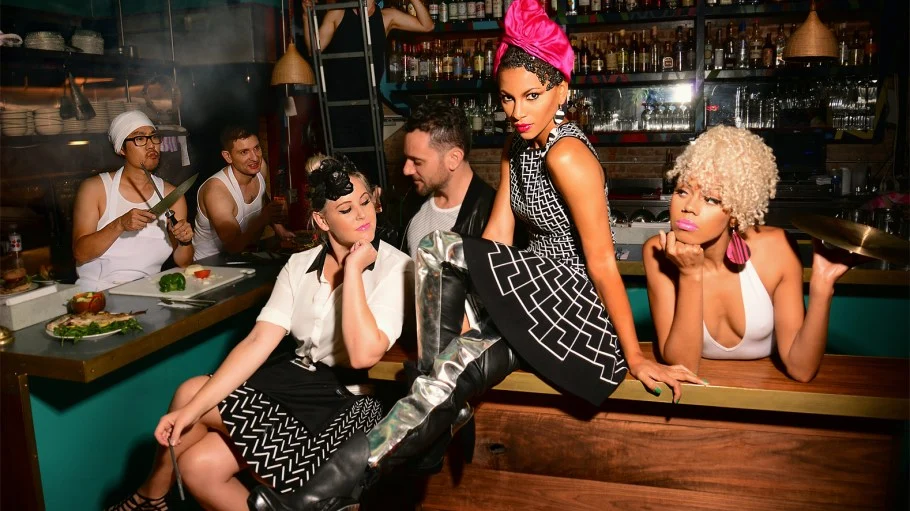
    A vibrant scene featuring stylish individuals in a lively restaurant setting, showcasing fashion and culinary activity.

    Navigating the Emotional Rollercoaster of Life as an Escort

    Having a strong support system can make a world of difference when it comes to navigating the emotional rollercoaster of life as an escort. Surround yourself with people who accept and support you for who you are, without judgment. This can include fellow escorts, friends, or family members who are aware of your profession and are there to offer a listening ear and a shoulder to lean on.

    3. Set Boundaries

    As an escort, it is important to set boundaries for yourself and your clients. This can include limiting your working hours, setting clear rules and expectations with clients, and saying no to things that make you uncomfortable. Boundaries are crucial for maintaining your emotional well-being and preventing burnout.

    4. Seek Professional Help

    If you find yourself struggling with intense emotions or mental health issues, do not hesitate to seek professional help. Therapy can provide a safe and non-judgmental space for you to process your feelings and develop coping strategies. It is important to prioritize your mental health and seek help when needed.

    5. Find a Community

    Connecting with other escorts can be incredibly beneficial for your emotional well-being. Online forums, support groups, and networking events can provide a sense of community and belonging. It can also be helpful to have a support system of people who understand the unique challenges of being an escort.

    In Summary

    Life as an escort can be a rollercoaster of emotions, with highs and lows that can impact your mental health. It is important to practice self-care, surround yourself with supportive people, set boundaries, seek professional help when needed, and find a community of like-minded individuals. Remember to prioritize your mental health and well-being, and to seek help if you are struggling.

  • The Hidden Emotional Toll of Being a Sugar Baby

    Blog Post:

    Being a sugar baby may seem like a glamorous and easy way to make money, but what many people don’t realize is the hidden emotional toll that comes with it. While the financial benefits may be appealing, the emotional toll can be overwhelming and can have long-lasting effects on a person’s mental health.

    As a sugar baby, you are essentially entering into a transactional relationship where you provide companionship and sometimes sexual favors in exchange for financial support from a wealthy and usually older person. This dynamic in itself can be emotionally taxing, as it blurs the lines between a traditional relationship and a business transaction.

    One of the biggest emotional tolls of being a sugar baby is the pressure to constantly maintain a certain image. Many sugar daddies have specific expectations and standards for their sugar babies, which can lead to a constant feeling of needing to please and meet those expectations. This can lead to a lack of authenticity and a constant feeling of being on display, which can be mentally exhausting.

    Additionally, the power dynamics in a sugar baby-sugar daddy relationship can also be emotionally draining. The sugar daddy holds the financial power, which can lead to feelings of dependence and vulnerability for the sugar baby. This can also create a power imbalance, where the sugar daddy may feel entitled to control the sugar baby’s actions and decisions.

    Moreover, many sugar babies enter this lifestyle as a way to escape financial struggles or to improve their standard of living. However, this can also lead to feelings of guilt and shame. They may feel like they are selling themselves for money and may question their self-worth. This can have a significant impact on their self-esteem and self-image.

    woman in high heels walking along a road, carrying a handbag, with a car parked nearby and greenery in the background

    The Hidden Emotional Toll of Being a Sugar Baby

    Another emotional toll of being a sugar baby is the constant fear of being judged and stigmatized by society. Despite the growing acceptance of sugar relationships, there is still a stigma attached to it. Sugar babies may face backlash and judgment from friends, family, and even strangers, which can lead to feelings of isolation and shame.

    Moreover, sugar babies often have to keep their lifestyle a secret, which can be emotionally taxing. They may have to lie to their loved ones about how they are making money, which can create a sense of disconnection and distance from their support system.

    Furthermore, the constant pressure to maintain a certain appearance and lifestyle can also have a negative impact on a sugar baby’s mental health. Many sugar daddies expect their sugar baby to look a certain way, which can lead to body image issues and disordered eating habits. The pressure to always be available and on call for their sugar daddy can also cause burnout and fatigue, both physically and emotionally.

    In some cases, sugar babies may also experience emotional manipulation and abuse from their sugar daddies. They may feel like they have to comply with their sugar daddy’s demands, even if they make them uncomfortable, in fear of losing their financial support. This can lead to feelings of powerlessness and being trapped in a toxic and unhealthy relationship.

    The emotional toll of being a sugar baby can also extend beyond the duration of the arrangement. Many sugar babies struggle with the transition back to a traditional lifestyle after their sugar relationship ends. They may feel lost and uncertain about their future, especially if they have become financially dependent on their sugar daddy.

    In summary, being a sugar baby may seem like an easy way to make money, but the hidden emotional toll can be significant. The pressure to maintain a certain image, power dynamics, guilt and shame, fear of judgment, secrecy, body image issues, emotional manipulation, and difficulties transitioning back to a traditional lifestyle are just some of the emotional challenges that sugar babies may face. It is important for individuals considering or currently in a sugar relationship to be aware of these emotional tolls and to prioritize their mental health.

  • The Future of Being a Sugar Baby or Escort: Where is This Lifestyle Heading?

    The Future of Being a Sugar Baby or Escort: Where is This Lifestyle Heading?

    The world of sugar babies and escorts has always been a controversial and taboo topic. However, in recent years, it has become more mainstream and accepted. With advancements in technology and changing societal norms, the future of being a sugar baby or escort is constantly evolving. In this blog post, we will explore the current state of this lifestyle and where it may be heading in the future.

    The Rise of Online Platforms

    Technology has played a significant role in the growth of the sugar baby and escort industry. With the rise of online platforms such as Seeking Arrangement and OnlyFans, it has become easier for individuals to connect with potential clients or sugar daddies/mommies. These platforms provide a safe and discreet space for both parties to negotiate and arrange their arrangements. However, with the increasing popularity of these platforms, there is also a rise in competition, making it more challenging for individuals to stand out and succeed.

    The Impact of Social Media

    Social media has also had a significant impact on the sugar baby and escort lifestyle. Many individuals use social media to promote themselves and attract potential clients. This has led to the creation of a new type of sugar baby or escort, the “influencer.” These individuals have a large following on social media and utilize their platform to showcase their lifestyle and attract high-paying clients. However, this has also led to a blurred line between genuine sugar baby/escort relationships and paid advertisements.

    The Legalization of Sex Work

    woman in a black dress standing by a car on a dimly lit street at night

    The Future of Being a Sugar Baby or Escort: Where is This Lifestyle Heading?

    The legalization of sex work has been a hot topic in recent years, and it has significant implications for the sugar baby and escort industry. While sex work is still illegal in many parts of the world, there has been a push for its decriminalization in some countries. This could potentially lead to a more regulated and safer environment for sex workers, including sugar babies and escorts. However, this also brings up the question of whether this lifestyle is a form of sex work or a consensual arrangement between two individuals.

    Changing Attitudes and Stigma

    Society’s attitudes towards the sugar baby and escort lifestyle have also been shifting. While there is still a significant stigma attached to this industry, it is becoming more accepted and normalized, especially among younger generations. As more and more individuals turn to this lifestyle, it is likely that the stigma will continue to decrease. This could lead to a more open and accepting society for sugar babies and escorts, making it easier for them to pursue their lifestyle without fear of judgment or discrimination.

    The Impact of the Pandemic

    The COVID-19 pandemic has had a significant impact on the sugar baby and escort industry. With lockdowns and restrictions in place, many individuals have turned to online arrangements and virtual services. This has allowed for a new type of arrangement, where clients can engage with sugar babies and escorts from the comfort of their own home. However, it has also highlighted the importance of safety and the risks involved in this industry. As the world begins to recover from the pandemic, it will be interesting to see how the industry adapts and evolves.

    The Future of Being a Sugar Baby or Escort

    As we look towards the future, it is challenging to predict exactly where the sugar baby and escort lifestyle is heading. However, it is clear that it will continue to evolve and adapt to changing societal norms and technological advancements. With the rise of online platforms, the impact of social media, and changing attitudes towards sex work, this lifestyle is likely to become more mainstream and accepted. However, it is essential to also consider the potential risks and challenges that come with this lifestyle, such as safety concerns and the blurred lines between genuine relationships and paid arrangements.

    In conclusion, the future of being a sugar baby or escort is uncertain, but one thing is for sure: this industry will continue to exist and thrive in some form. As society continues to evolve and become more open-minded, it is possible that the stigma surrounding this lifestyle will decrease, creating a more accepting and regulated environment for those involved. However, it is crucial to also acknowledge the risks and challenges that come with this lifestyle and to prioritize safety above all else.

  • The Taboo World of Being a Sugar Baby: A Look into the Underground Culture

    Blog Post Title: The Taboo World of Being a Sugar Baby: A Look into the Underground Culture

    Summary:

    In today’s modern society, there is a growing trend of young women turning to sugar daddies for financial support and a lavish lifestyle. This phenomenon is known as sugar dating and it has become a taboo topic due to its association with older men and younger women engaging in a transactional relationship. But behind the glitz and glamour, there is a complex and secretive world that many people are unaware of. In this blog post, we will take a closer look at the taboo world of being a sugar baby and explore the underground culture that surrounds it.

    To understand the world of sugar dating, we must first define what it means to be a sugar baby. A sugar baby is a young, attractive individual who enters into a relationship with a sugar daddy or sugar mommy in exchange for financial support, gifts, and experiences. These relationships are often seen as transactional in nature, with the sugar baby providing companionship and intimacy while the sugar parent offers financial stability and mentorship. While this may seem like a simple exchange, the reality is much more complex.

    The first misconception about sugar dating is that it is all about money. While financial support is a key aspect of these relationships, many sugar babies also seek mentorship, networking opportunities, and experiences that they may not be able to afford on their own. This is especially true for students who are struggling to pay for their education or young professionals trying to establish their careers. In fact, a survey by SeekingArrangement, one of the largest sugar dating websites, found that 44% of sugar babies are college students and 36% are employed in full-time jobs.

    A damaged green 1995 Ford Escort parked on a city street beside a tree and brick buildings.

    The Taboo World of Being a Sugar Baby: A Look into the Underground Culture

    Another misconception is that all sugar babies are young, naive women who are taken advantage of by older, wealthy men. While this may be the case in some situations, sugar babies are not a homogeneous group. They come from all walks of life, with different backgrounds, goals, and reasons for entering into sugar relationships. Some may be seeking financial support to escape poverty, while others may simply enjoy the luxurious lifestyle that comes with being a sugar baby. It is important to recognize that each individual has their own agency and makes their own choices.

    However, there is no denying that there is a power dynamic at play in sugar relationships. Many sugar daddies and mommies hold positions of wealth, influence, and experience, while sugar babies are often young and inexperienced. This can create a sense of dependency and imbalance in the relationship, leading to concerns about exploitation and abuse. In some cases, sugar babies may feel pressured to engage in sexual activities or fulfill unrealistic expectations in order to maintain their financial support. This is why it is crucial for both parties to establish clear boundaries and communicate openly about their expectations.

    The underground culture of sugar dating is also heavily influenced by societal attitudes and stigmas. Due to its association with sex work, sugar dating is often viewed as immoral and taboo. This has led to the practice being shrouded in secrecy, with many sugar babies opting to keep their relationships hidden from friends and family. In addition, the anonymity of online sugar dating websites and apps allows for a discreet way for sugar babies and sugar parents to connect and negotiate terms without fear of judgment or exposure.

    But despite the negative perceptions, there is a growing acceptance and even glamorization of sugar dating in popular culture. From TV shows like “The Bachelor” to songs like “Money Longer” by Lil Uzi Vert, sugar dating is often portrayed as a glamorous and desirable lifestyle. This has led to a rise in the number of young women seeking out sugar relationships, with some even considering it a viable career option. However, this glamorization also perpetuates the stereotype of sugar babies as gold diggers and reinforces the power dynamic between sugar babies and sugar parents.

    In conclusion, the taboo world of being a sugar baby is a complex and multifaceted one. It is a world that challenges traditional notions of relationships and blurs the lines between love, companionship, and financial support. While there are concerns about exploitation and societal stigmas, sugar dating continues to thrive in the underground culture as a means for young individuals to achieve their financial and lifestyle goals. And as long as there is a demand for sugar relationships, this taboo world will continue to exist.

  • Escorting as a Career: The Pros and Cons

    Escort services have been around for centuries, but with the rise of technology and social media, the escorting industry has evolved into a legitimate career option for many individuals. While escorting can be a lucrative and exciting job, it also comes with its fair share of pros and cons. In this blog post, we will explore the pros and cons of escorting as a career.

    Pros:
    1. High Income Potential: One of the biggest draws of escorting as a career is the high income potential. Escorts can earn anywhere from a few hundred to thousands of dollars per hour, depending on their location, experience, and the services they offer. This can provide financial stability and the opportunity for a luxurious lifestyle.

    2. Flexibility: Escorting allows for a flexible work schedule, which is ideal for those who have other commitments or responsibilities. Escorts can choose their own working hours and take time off when needed, making it easier to balance work and personal life.

    3. Travel Opportunities: Escorts often travel with their clients to different cities and countries, providing the opportunity to see new places and experience different cultures. This can be a perk for those who love to travel and are looking for a job that allows them to do so.

    4. Personal Growth: Escorting can be a great way to boost self-confidence and self-esteem. As an escort, you are constantly meeting new people and learning how to communicate effectively, which can help in personal and professional relationships.

    5. Variety: Escorting offers a variety of clients and experiences. From dinner dates to business trips, each encounter is unique and can keep the job interesting and exciting.

    A damaged green 1995 Ford Escort parked on a city street beside a tree and brick buildings.

    Escorting as a Career: The Pros and Cons

    Cons:
    1. Stigma: Despite the evolution of the escorting industry, there is still a stigma attached to the profession. Many people still view it as taboo or immoral, which can lead to judgment and discrimination.

    2. Safety Concerns: Escorting can be a risky profession, as you are constantly meeting new people and going to unfamiliar places. This can put escorts in vulnerable situations, making safety a top priority.

    3. Emotional Toll: Escorting can be emotionally draining, as it requires providing companionship and intimacy to clients. Building emotional boundaries and separating personal and professional lives can be challenging for some individuals.

    4. Legal Issues: Escorting is a legal grey area in many countries, and laws and regulations vary from place to place. This can make it difficult for escorts to navigate the legal system and protect their rights.

    5. Lack of Benefits: Unlike traditional jobs, escorting does not come with benefits such as health insurance, retirement plans, or paid time off. This can make it difficult to plan for the future and can be a concern for those looking for long-term stability.

    In summary, escorting as a career has its fair share of pros and cons. It offers high income potential, flexibility, travel opportunities, and personal growth, but also comes with stigma, safety concerns, emotional toll, legal issues, and lack of benefits. While it may not be the right career choice for everyone, it can be a fulfilling and lucrative option for those who are comfortable with the industry and its demands.

  • The Taboo of Being a Sugar Baby: How Society Views Women Who Seek Financial Support

    The Taboo of Being a Sugar Baby: How Society Views Women Who Seek Financial Support

    In recent years, the term “sugar baby” has become more and more prevalent in popular culture. It refers to a young woman who seeks financial support from an older, wealthier individual in exchange for companionship or other arrangements. While this type of relationship has existed for centuries, it has only recently become a topic of public discourse. And with this visibility comes a lot of judgment and stigma surrounding the women who choose to be sugar babies. In this blog post, we will explore the taboo of being a sugar baby and how society views these women who seek financial support.

    The Rise of the Sugar Baby Phenomenon

    The concept of a sugar baby is not a new one. Historically, it was common for wealthy men to have mistresses or keep concubines, providing them with financial support in exchange for their companionship and sexual favors. However, in modern times, the term “sugar baby” has evolved to refer to a different type of arrangement.

    With the rise of social media and online dating, finding a sugar daddy or sugar mama has become easier and more accessible. Websites and apps specifically cater to connecting wealthy individuals with younger, often financially struggling, partners. And with the cost of living increasing and student loan debt piling up, many young women see this as a way to ease their financial burdens.

    But despite its growing popularity, the idea of being a sugar baby is still considered taboo in many societies. Women who engage in these relationships are often judged and shamed for their choices, leading to a negative stigma surrounding this lifestyle.

    The Double Standards for Women

    One of the main reasons why being a sugar baby is still considered taboo is because of the double standards that exist for women in society. Men who have multiple sexual partners or engage in casual relationships are often praised and seen as “players.” On the other hand, women who do the same are labeled as promiscuous and judged for their actions.

    In the case of sugar babies, these double standards are amplified. Women who choose to seek financial support from a wealthy partner are seen as gold diggers or prostitutes, while the men who provide that support are often seen as generous and successful. This unfair judgment is a reflection of the patriarchal society we live in, where women are expected to be financially dependent on men and any deviation from this norm is met with criticism.

    Woman in a bikini top and white pants poses by a blue convertible with a city skyline in the background.

    The Taboo of Being a Sugar Baby: How Society Views Women Who Seek Financial Support

    The Power Dynamics in Sugar Relationships

    Another reason why being a sugar baby is often viewed as taboo is due to the power dynamics at play in these relationships. Wealthy individuals who seek out sugar babies often hold a significant amount of power over their younger partners. And in some cases, this power is used to exploit these women and manipulate them into doing things they may not be comfortable with.

    While not all sugar relationships are exploitative, the potential for abuse is high, and this is a major concern for those who criticize this lifestyle. The power imbalance between the two parties can lead to a lack of consent and control, which can be dangerous for the sugar baby.

    The Financial Independence of Women

    One of the most significant reasons why being a sugar baby is seen as taboo is because it goes against the idea of women being financially independent. In today’s society, women are encouraged to be self-sufficient and not rely on anyone else for financial support. So when a woman chooses to enter into a relationship where she may be financially dependent on her partner, it is often judged as a step backward for women’s rights and empowerment.

    But what these critics fail to understand is that being a sugar baby does not necessarily mean giving up financial independence. Many sugar babies see it as a way to supplement their income and support themselves while pursuing their goals and dreams. They are not being forced into these relationships and have the agency to make their own choices.

    Changing the Narrative

    It’s time for society to change the way it views women who choose to be sugar babies. Instead of stigmatizing and shaming them, we should focus on empowering them and acknowledging their agency. Sugar relationships may not fit into traditional societal norms, but that does not make them any less valid.

    We need to break free from the patriarchal mindset that dictates how women should live their lives and embrace the idea of personal choice and autonomy. As long as both parties are consenting adults and the relationship is based on mutual respect, there should be no judgment or stigma attached to being a sugar baby.

    In conclusion, the taboo surrounding being a sugar baby is a reflection of the deeply ingrained societal beliefs and double standards that exist for women. It’s time to shift the narrative and embrace the agency and choices of these women. Let’s leave behind the judgment and instead focus on promoting equality and empowerment for all.

  • The Price of Being a Sugar Baby: Exploring the Emotional and Physical Toll

    Summary:

    Being a sugar baby may seem like a glamorous lifestyle, filled with luxury gifts and experiences. However, many people fail to consider the emotional and physical toll that comes with being a sugar baby. In this blog post, we will explore the true cost of being a sugar baby and the impact it can have on a person’s well-being.

    The Emotional Toll:

    1. Objectification and Lack of Authentic Relationships:

    One of the biggest emotional challenges faced by sugar babies is the feeling of being objectified. In a sugar relationship, the focus is often on the material benefits rather than the genuine connection between two people. This can leave sugar babies feeling used and undervalued, leading to feelings of emptiness and loneliness.

    2. Pressure to Maintain a Certain Image:

    Sugar babies are expected to always look their best, whether it’s through expensive clothes, beauty treatments, or maintaining a perfect figure. This constant pressure to maintain a certain image can lead to body image issues, low self-esteem, and even eating disorders.

    3. Conflicting Emotions:

    Many sugar babies find themselves caught between wanting to enjoy the lavish lifestyle and feeling guilty for it. They may also struggle with feelings of shame or secrecy due to the stigma attached to being a sugar baby. This internal conflict can take a toll on their mental health and overall well-being.

    The Physical Toll:

    1. Physical Demands:

    Sugar babies are often expected to be available whenever their sugar daddies want, which can be physically exhausting. This can include late-night dinners, traveling, and other activities that can take a toll on a person’s health and energy levels.

    2. Risk of Sexual Exploitation:

    Woman in a short skirt and jacket stands on a dimly lit street with headlights approaching.

    The Price of Being a Sugar Baby: Exploring the Emotional and Physical Toll

    In some cases, sugar relationships can turn into arrangements that involve sexual favors in exchange for money or gifts. This can put sugar babies at risk of sexual exploitation and abuse, which can have long-lasting physical and emotional effects.

    3. Health Risks:

    Some sugar babies may engage in risky behaviors, such as unprotected sex, to maintain their sugar relationships. This can put them at risk for sexually transmitted infections and other health issues, which can have serious consequences for their well-being.

    The Financial Toll:

    1. Unrealistic Expectations:

    Sugar daddies often have high expectations from their sugar babies, which can be financially draining. Some sugar daddies may expect their sugar babies to always look perfect, travel with them, and attend expensive events, which can put a strain on their finances.

    2. Dependence on Sugar Daddies:

    Many sugar babies become financially dependent on their sugar daddies, which can make it difficult for them to leave the relationship if it becomes toxic or abusive. This dependence can also make it challenging for sugar babies to achieve financial independence and pursue their own goals and dreams.

    3. Risk of Scams:

    Not all sugar daddies may have genuine intentions, and sugar babies can fall prey to online scams or fraudulent arrangements. This can result in financial losses and emotional distress for the sugar baby.

    Conclusion:

    Being a sugar baby may come with a high price, both emotionally and physically. The pressure to maintain a certain image, the risk of sexual exploitation, and the financial dependence on sugar daddies can all take a toll on a person’s well-being. It is essential for anyone considering entering a sugar relationship to carefully consider the potential consequences and make an informed decision.

    In the end, the true cost of being a sugar baby cannot be measured in material possessions and experiences. It is crucial for individuals to prioritize their emotional and physical well-being and not sacrifice it for the sake of a lavish lifestyle.