Tag: Mental health

  • The Mental Health Benefits and Drawbacks of Being an Escort

    When people think of being an escort, they often associate it with money, glamour, and excitement. However, there is a side to this profession that is rarely talked about – the impact it can have on one’s mental health. The truth is, being an escort can bring both benefits and drawbacks to a person’s mental well-being. In this blog post, we will explore the mental health effects of being an escort, shedding light on the realities that many in this profession face.

    Benefits of Being an Escort:

    1. Financial Stability:

    One of the most significant benefits of being an escort is the financial stability it can provide. For many individuals, this profession offers a higher income than traditional jobs, allowing them to support themselves and their families. This financial stability can alleviate stress and anxiety related to money, leading to improved mental well-being.

    2. Empowerment:

    Being an escort can also be empowering for some individuals. It gives them control over their bodies and their work, allowing them to set their own boundaries and make their own decisions. This sense of empowerment can boost self-confidence and self-esteem, leading to better mental health.

    3. Flexible Schedule:

    Unlike traditional 9-5 jobs, being an escort offers a flexible schedule. This can be beneficial for those who struggle with mental health issues, as they can work at times that suit their needs. They can take breaks when needed and prioritize self-care, which can have a positive impact on their mental well-being.

    4. Opportunities for Travel and Networking:

    Being an escort can also offer opportunities for travel and networking. This can be a stimulating and exciting experience, providing a break from the routine and an opportunity to meet new people. These experiences can help reduce stress and anxiety and improve overall mental health.

    Drawbacks of Being an Escort:

    1. Stigma and Discrimination:

    A woman in a white dress poses elegantly in a well-lit hallway with brick walls and stylish furniture.

    The Mental Health Benefits and Drawbacks of Being an Escort

    One of the biggest drawbacks of being an escort is the stigma and discrimination that comes with it. Sex work is heavily stigmatized in society, and escorts often face judgment and discrimination from others. This can lead to feelings of shame, guilt, and low self-worth, which can have a significant impact on their mental health.

    2. Safety Concerns:

    Being an escort also comes with safety concerns. Meeting strangers and being in unfamiliar environments can put escorts at risk of physical and emotional harm. This constant fear and anxiety can take a toll on their mental well-being, leading to depression, anxiety, and post-traumatic stress disorder (PTSD).

    3. Isolation and Loneliness:

    The nature of being an escort can also lead to isolation and loneliness. Many escorts may not have a support system or may struggle to maintain personal relationships due to the nature of their work. This isolation can lead to feelings of loneliness, which can have a negative impact on mental health.

    4. Burnout and Emotional Exhaustion:

    Being an escort requires a lot of emotional labor, and this can lead to burnout and emotional exhaustion. Escorts often have to put on a persona and meet the expectations of their clients, which can be taxing on their mental health. This emotional exhaustion can lead to feelings of emptiness, detachment, and depression.

    Coping Mechanisms:

    Despite the potential drawbacks, many escorts have found ways to cope with the mental health challenges of their profession. Some have built a strong support system with other escorts, while others have found solace in therapy. Self-care practices such as meditation, exercise, and journaling can also be helpful in managing stress and maintaining mental well-being.

    Therapy:

    Therapy can be a valuable resource for escorts to address and manage their mental health concerns. A therapist can offer a safe and non-judgmental space for escorts to explore their thoughts and feelings, process traumatic experiences, and develop coping strategies. Therapy can also help challenge and reframe negative thoughts and beliefs that may stem from the stigma surrounding sex work.

    In conclusion, being an escort can bring both benefits and drawbacks to one’s mental health. While it may offer financial stability, empowerment, and flexibility, it also comes with stigma, safety concerns, isolation, and burnout. However, with proper coping mechanisms and support, many escorts have found ways to manage their mental health and thrive in their profession. It is essential to acknowledge and address the mental health challenges faced by escorts and work towards reducing the stigma surrounding sex work.

    SEO metadata:

  • The Impact of Financial Dependence on the Mental Health of Sugar Babies

    In recent years, the concept of sugar dating has gained significant attention, with more and more people turning to this alternative form of relationships. Sugar dating involves a wealthy, older individual (sugar daddy/mommy) providing financial and material support to a younger, often college-aged individual (sugar baby) in exchange for companionship and intimacy. While this arrangement may seem appealing to some, it comes with its own set of issues, particularly when it comes to the mental health of sugar babies. In this blog post, we will explore the impact of financial dependence on the mental health of sugar babies.

    Financial dependence is a significant aspect of sugar dating, as it is the main reason why many sugar babies enter into these relationships. The allure of financial stability and a luxurious lifestyle can be tempting, especially for young adults who are struggling to make ends meet. However, this financial dependence can have a detrimental effect on the mental health of sugar babies.

    One of the most significant impacts of financial dependence on sugar babies is the power dynamic in the relationship. The sugar daddy/mommy holds all the financial control, which can lead to feelings of inferiority and powerlessness in the sugar baby. In some cases, this power dynamic can turn into emotional and even physical abuse, as the sugar baby may feel trapped and unable to leave the relationship due to financial dependence.

    Moreover, the financial dependence can also lead to a lack of autonomy and independence in sugar babies. They may feel like they have to rely on their sugar partner for everything, from basic needs to leisure activities. This can result in a loss of self-esteem and self-worth, as the sugar baby may feel like they are not capable of supporting themselves without their sugar partner’s financial support.

    The constant pressure to maintain a certain lifestyle and keep up with their sugar partner’s expectations can also take a toll on the mental health of sugar babies. They may feel like they are constantly performing and living up to a certain image, which can lead to anxiety, stress, and even depression. This pressure can also affect their sense of self and identity, as they may struggle to differentiate between who they are as an individual and who they are in the sugar dating world.

    Furthermore, the financial dependence can also impact the sugar baby’s future plans and goals. As they become reliant on their sugar partner’s financial support, they may put their own dreams and aspirations on hold, or even give them up entirely. This can lead to feelings of regret and resentment, as they may feel like they have sacrificed their own future for the sake of financial stability in the present.

    Woman in a striped dress stands on a street at night, waiting by a car with a handbag.

    The Impact of Financial Dependence on the Mental Health of Sugar Babies

    Another significant factor to consider is the social stigma surrounding sugar dating and the impact it can have on the mental health of sugar babies. While sugar dating may be becoming more accepted in society, it is still often viewed as taboo and can be met with judgment and criticism. This can lead to feelings of shame and guilt in sugar babies, which can take a toll on their mental well-being.

    Moreover, the blurred lines between sugar dating and traditional relationships can also cause confusion and emotional turmoil for sugar babies. They may struggle to define their role in the relationship and may feel like they are not getting their emotional needs met. This can lead to feelings of loneliness and isolation, as they may not have anyone they can confide in about their relationship struggles.

    In conclusion, the financial dependence that comes with sugar dating can have a significant impact on the mental health of sugar babies. It can lead to a power imbalance, a lack of autonomy and independence, pressure to maintain a certain lifestyle, and feelings of shame and confusion. It is essential for individuals considering entering into a sugar dating relationship to carefully consider the potential consequences on their mental health and well-being.

    To overcome some of these challenges, it is crucial for sugar babies to maintain a strong support system outside of their sugar dating relationship. This can include close friends and family members who can provide emotional support and a sense of grounding. Seeking therapy or counseling can also be beneficial in navigating the complex emotions and pressures that come with sugar dating.

    In addition, it is essential to have open and honest communication with your sugar partner about boundaries, expectations, and any concerns or issues that may arise. This can help to establish a healthier dynamic in the relationship and create a sense of mutual respect and understanding.

    In conclusion, while sugar dating may seem like an attractive option for financial stability, it is crucial to consider the potential impact on mental health. It is essential for sugar babies to prioritize their well-being and seek support when needed to maintain a healthy and fulfilling life beyond their sugar dating relationship.

  • The Emotional Challenges of Being an Escort in a Stigmatized Industry

    Being an escort is a profession that is often misunderstood and stigmatized by society. Despite the fact that it is a legal occupation in many countries, there is still a significant amount of judgment and shame attached to it. This stigma not only affects the way clients and the general public view escorts, but it also has a deep impact on the emotional well-being of those who work in the industry.

    In this blog post, we will delve into the emotional challenges faced by escorts in a stigmatized industry and explore ways to cope with them.

    The Weight of Stigma

    The negative stereotypes and stigma surrounding the escort industry can have a profound impact on the mental health of those involved. Escorts are often viewed as immoral, promiscuous, and lacking in self-respect. They are subjected to judgment, discrimination, and even violence because of their profession. This can lead to feelings of shame, guilt, and low self-worth for escorts, which can take a toll on their mental health.

    Moreover, the fear of being “outed” and the resulting social consequences can also cause significant stress and anxiety. Many escorts have to hide their profession from friends and family, leading to a constant fear of being discovered. This emotional burden can be overwhelming and can lead to feelings of isolation and loneliness.

    Dealing with Rejection

    One of the most common emotional challenges faced by escorts is dealing with rejection. As with any job, there will be clients who are not satisfied with their services, and this can be difficult to handle. But for escorts, rejection can feel more personal and can impact their self-esteem. They may start questioning their abilities and worth, which can lead to feelings of inadequacy and self-doubt.

    Moreover, escorts also face rejection from society as a whole. The stigma attached to their profession can make it difficult for them to find acceptance and support from friends and family. This can lead to a sense of alienation and can take a toll on their emotional well-being.

    Coping with Emotional Challenges

    Woman in a red jacket leans over a car at night on a dimly lit street.

    The Emotional Challenges of Being an Escort in a Stigmatized Industry

    Despite the challenges they face, many escorts find ways to cope and thrive in the industry. One of the most important coping mechanisms is self-care. Escorts need to prioritize their mental and emotional well-being and take care of themselves. This can include setting boundaries, taking breaks, and seeking support from friends and fellow escorts.

    It is also essential for escorts to have a strong support system. This can include friends, family, or other escorts who understand and accept their profession. Having people to turn to for emotional support can make a significant difference in dealing with the challenges of being an escort.

    Therapy can also be a valuable tool for escorts who are struggling with their mental health. A therapist can provide a safe and non-judgmental space for escorts to talk about their feelings and find healthy ways to cope with the stigma and rejection they face.

    Changing the Conversation

    While it is crucial for escorts to take care of themselves and find ways to cope with the emotional challenges they face, it is also essential to address the root cause of the stigma surrounding the industry. The negative stereotypes and judgments placed on escorts stem from a lack of understanding and education about the profession.

    By changing the conversation and promoting a more positive and accurate view of the escort industry, we can help reduce the stigma and create a more accepting and supportive society for escorts to work in. This can also help improve the mental health and well-being of those in the industry.

    In conclusion, being an escort in a stigmatized industry comes with its own set of emotional challenges. The weight of stigma, fear of rejection, and lack of acceptance can take a toll on the mental health of escorts. However, with self-care, a strong support system, and a change in societal attitudes, escorts can navigate these challenges and thrive in their profession.

    Summary:

    The escort industry is often stigmatized, leading to emotional challenges for those who work in it. This stigma can cause feelings of shame, guilt, and low self-worth, as well as fear of rejection and isolation. However, with self-care, a strong support system, and a change in societal attitudes, escorts can cope with these challenges and thrive in their profession.

  • The Mental Health Struggles of Being a High-Paid Escort

    Blog Post Title: The Hidden Mental Health Struggles of High-Paid Escorts

    Being a high-paid escort may seem like a glamorous and luxurious lifestyle, but behind the designer clothes and expensive gifts lies a harsh reality. The mental health struggles that come with being a high-paid escort are often overlooked and ignored, but they are very real and can have a long-lasting impact on these individuals. In this blog post, we will explore the hidden mental health struggles of high-paid escorts and shed light on the challenges they face.

    The Pressure to Maintain Appearances

    One of the biggest mental health struggles for high-paid escorts is the pressure to maintain appearances. These individuals are expected to always look their best, from their hair and makeup to their body and clothing. They are constantly under scrutiny from their clients and their agencies, who demand perfection at all times. This pressure to maintain appearances can be incredibly stressful and can lead to body image issues and low self-esteem.

    The Need for Constant Validation

    In the world of high-paid escorts, validation is everything. These individuals are constantly seeking validation from their clients, their agencies, and even themselves. They are always trying to prove their worth and worthiness of the high fees they charge. This constant need for validation can lead to feelings of inadequacy and self-doubt. It can also make it difficult for them to establish their own sense of self-worth and identity outside of their work.

    The Emotional Toll of the Job

    High-paid escorts are often expected to provide more than just physical companionship to their clients. They are expected to be attentive, empathetic, and understanding. This emotional labor can take a toll on their mental health, as they are constantly putting on a façade and suppressing their own emotions in order to please their clients. They may also be exposed to traumatic situations, such as being in a dangerous or uncomfortable situation with a client, which can have a lasting impact on their mental well-being.

    The Isolation and Stigma

    Despite the large sums of money they earn, high-paid escorts often lead a lonely and isolated life. They are often forced to keep their work a secret from friends and family, leading to feelings of shame and guilt. This can also make it difficult for them to form genuine connections and friendships. The stigma surrounding their profession can also lead to feelings of isolation and make it difficult for them to seek help or support when needed.

    The Pressure to Maintain a Double Life

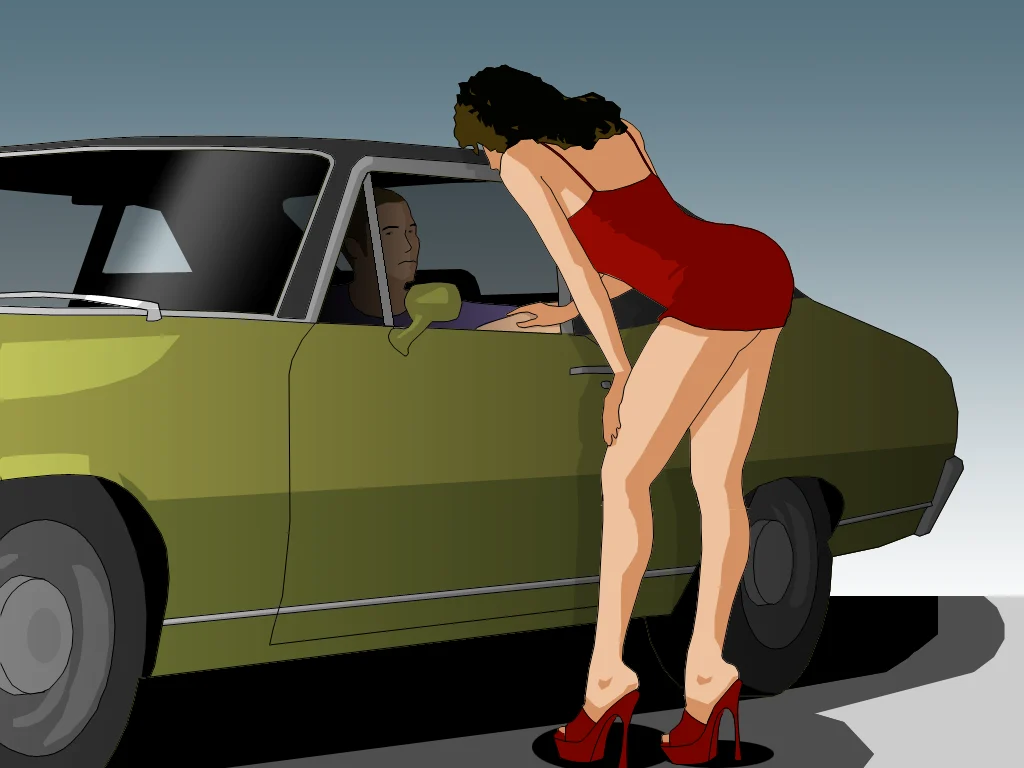
    A woman in a red dress leans into a car, engaging with the driver in a street setting.

    The Mental Health Struggles of Being a High-Paid Escort

    Many high-paid escorts lead a double life, where they have to maintain a façade of a “normal” life while secretly working as an escort. This can be mentally exhausting, as they are constantly juggling between their work and personal life. This pressure to maintain a double life can also lead to anxiety, depression, and other mental health issues.

    The Impact of Social Media

    In today’s digital age, social media plays a significant role in the lives of high-paid escorts. They are expected to maintain a strong social media presence, showcasing a glamorous and lavish lifestyle. This pressure to constantly present a perfect image on social media can take a toll on their mental health, as it can lead to comparison and feelings of inadequacy.

    The Lack of Job Security

    Being a high-paid escort is not a secure job. Clients and agencies can be fickle and unpredictable, leaving these individuals in a constant state of uncertainty. This lack of job security can lead to constant stress and anxiety, as they are not guaranteed a stable income. It can also make it difficult for them to plan for the future, leading to feelings of instability and insecurity.

    The Need for Self-Medication

    The mental health struggles of high-paid escorts can often lead to self-medication. Many of these individuals turn to drugs or alcohol as a way to cope with the stress, pressure, and emotional toll of their job. This can lead to addiction and further exacerbate their mental health issues.

    The Importance of Mental Health Support

    Despite the many challenges and struggles, high-paid escorts often do not have access to mental health support. The nature of their work and the stigma surrounding it may make it difficult for them to seek help. It is important for these individuals to have access to mental health resources and support, as it can greatly improve their well-being and overall quality of life.

    In conclusion, being a high-paid escort comes with its own set of mental health struggles. From the pressure to maintain appearances to the emotional toll of the job, these individuals face numerous challenges that can have a profound impact on their mental well-being. It is important to recognize and address these struggles and provide support and resources for high-paid escorts to take care of their mental health.

    Summary:

    Being a high-paid escort may seem glamorous, but it comes with its own set of mental health struggles. The pressure to maintain appearances, the need for constant validation, and the emotional toll of the job are just some of the challenges these individuals face. The isolation and stigma associated with their profession, the pressure to maintain a double life, and the impact of social media can also greatly affect their mental well-being. The lack of job security and the need for self-medication are other factors that can contribute to their mental health struggles. It is important for high-paid escorts to have access to mental health support and resources to take care of their well-being.

  • The Psychological Effects of Living a Double Life as a Sugar Baby

    Living a double life as a sugar baby can be a thrilling and glamorous experience, but underneath the surface, it can also have significant psychological effects. While many may see sugar babies as living a life of luxury and financial stability, the reality is that they often have to balance their public image with their private arrangements, leading to a complex and sometimes conflicting identity. In this blog post, we will explore the psychological effects of living a double life as a sugar baby and the impact it can have on one’s mental health.

    The allure of being a sugar baby is undeniable. The idea of being financially supported by a wealthy and successful individual can be tempting, especially for those who may be struggling to make ends meet. The initial excitement and thrill of being a sugar baby can often overshadow any potential psychological effects. However, as time goes on, these effects can become more apparent.

    One of the most significant psychological effects of living a double life as a sugar baby is the constant pressure to maintain a certain image. Sugar babies are expected to be attractive, charming, and alluring to their sugar daddies. This can lead to a constant feeling of needing to look and act a certain way, whether it’s through physical appearance or behavior. This pressure can be overwhelming and can cause feelings of inadequacy and self-doubt.

    Moreover, living a double life can also cause a sense of disconnection from one’s true identity. Sugar babies often have to hide their true selves from their sugar daddies, creating a false persona to fit into their desired role. This can lead to a lack of authenticity and a feeling of being disconnected from one’s true self. It can also be emotionally exhausting to constantly switch between these two identities.

    Additionally, the secrecy and taboo nature of being a sugar baby can also have a significant impact on one’s mental health. Many sugar babies feel the need to keep their lifestyle a secret from friends and family, leading to a sense of isolation and loneliness. This can also create a fear of judgment and rejection, causing sugar babies to live in constant fear of being discovered.

    woman with a shaved head in a black outfit poses on a city street at night, illuminated by streetlights and car headlights

    The Psychological Effects of Living a Double Life as a Sugar Baby

    Another psychological effect of living a double life as a sugar baby is the potential for emotional manipulation and abuse. In some cases, sugar daddies may use their financial power to control and manipulate their sugar babies, leading to feelings of worthlessness and dependency. This can also create a power dynamic that can be difficult to escape, causing sugar babies to feel trapped and powerless.

    Furthermore, the constant pressure to maintain appearances and fulfill their sugar daddies’ desires can also lead to a sense of objectification. Sugar babies may feel like they are reduced to their physical appearance and sexual appeal, rather than being valued for their intelligence, personality, and talents. This can be damaging to one’s self-esteem and can create a distorted view of self-worth.

    Living a double life as a sugar baby can also impact one’s relationships outside of the sugar world. Keeping such a significant part of one’s life a secret can cause strain and strain on friendships and romantic relationships. It can be challenging to maintain these relationships while balancing the demands of being a sugar baby and keeping it a secret. This can lead to feelings of guilt and shame, causing sugar babies to distance themselves from their loved ones.

    In some cases, sugar babies may also experience a sense of guilt for their lifestyle. Society often stigmatizes sex work and sugar dating, causing sugar babies to feel ashamed and guilty for their choices. This internalized guilt can lead to feelings of low self-worth and self-judgment, impacting one’s mental health.

    In conclusion, while living a double life as a sugar baby may seem like a glamorous and exciting experience, it can also have significant psychological effects. The pressure to maintain appearances, the constant need to hide one’s true identity, and the potential for emotional manipulation and abuse can all take a toll on one’s mental health. It’s essential for sugar babies to prioritize their well-being and seek support if needed to navigate the complexities of this lifestyle.

    In summary, living a double life as a sugar baby can have a significant impact on one’s mental health. The pressure to maintain appearances, the potential for emotional manipulation and abuse, and the secrecy and taboo nature of this lifestyle can all lead to feelings of disconnection, objectification, and guilt. It’s crucial for sugar babies to be aware of these potential psychological effects and seek support if needed to maintain their well-being.

  • From Glamour to Darkness: The Realities of Being an Escort

    From Glamour to Darkness: The Realities of Being an Escort

    Being an escort is often portrayed as a glamorous and luxurious lifestyle, with images of high-end clients, expensive gifts, and lavish parties. However, the reality of this profession is far from the glitz and glamour that is commonly associated with it. Behind the carefully curated facade lies a much darker and dangerous world that is often hidden from the public eye. In this blog post, we will explore the realities of being an escort and shed light on the challenges and dangers that come with this profession.

    The Misconceptions of Being an Escort

    One of the biggest misconceptions about being an escort is that it is a choice made by women who are looking to make easy money. However, the truth is that many women who enter this profession do so out of desperation and necessity. Financial struggles, lack of job opportunities, and other personal circumstances often lead women to turn to escorting as a means of survival. This is a harsh reality that is often ignored by those who view escorting as a glamorous lifestyle.

    The Harsh Realities of the Escorting World

    While there may be some high-end clients and luxurious experiences, the reality is that the majority of escorts have to deal with difficult and often dangerous situations. Many clients do not respect boundaries and can be physically and emotionally abusive. Escorts are also at risk of being sexually assaulted, robbed, or even trafficked. Moreover, the stigma surrounding this profession makes it difficult for escorts to seek help or report any incidents of abuse.

    The Impact on Mental Health

    The constant pressure to maintain a certain appearance, cater to clients’ desires, and keep up with the demands of the industry can take a toll on an escort’s mental health. Many escorts struggle with anxiety, depression, and post-traumatic stress disorder (PTSD) due to the traumatic experiences they face on a regular basis. The lack of support and understanding from society only adds to their struggles, making it difficult for them to seek help and heal from the mental and emotional toll of this profession.

    The Physical Risks

    Woman in a striped dress stands on a street at night, waiting by a car with a handbag.

    From Glamour to Darkness: The Realities of Being an Escort

    In addition to the mental and emotional toll, being an escort also comes with physical risks. Many escorts are forced to engage in unsafe sexual practices, putting them at risk of sexually transmitted infections (STIs) and unwanted pregnancies. The long hours, late nights, and high-pressure environment can also lead to exhaustion and burnout, taking a toll on their overall health and well-being.

    The Constant Need for Discretion

    Another reality of being an escort is the constant need for discretion. Most escorts have to keep their profession a secret from friends and family, which can be emotionally taxing. The fear of being exposed and the stigma attached to this profession can also lead to isolation and loneliness, further impacting their mental health.

    The Lack of Job Security

    While some may view escorting as a lucrative profession, the reality is that it comes with no job security. Escorts often have to rely on their looks and charm to attract clients, and as they age or their appearance changes, they may struggle to find work. This lack of job security can lead to financial instability and uncertainty about the future.

    The Need for Support and Empathy

    It is important to recognize that escorts, like any other profession, are human beings with their own struggles, dreams, and aspirations. They deserve empathy, support, and understanding rather than judgment and stigma. Providing a safe and non-judgmental environment for them to share their experiences and seek help is crucial in helping them cope with the challenges of this profession.

    In conclusion, the realities of being an escort are far from the glamorous and luxurious lifestyle that is often portrayed. It is a profession that comes with many challenges and dangers, both physically and emotionally. It is important for society to have a better understanding of the realities of this profession and to provide support and empathy to those who choose to make a living as escorts.

    Summary: Being an escort is often seen as a glamorous and luxurious lifestyle, but the reality is far from it. Many escorts enter this profession out of necessity and face physical, emotional, and mental challenges. The lack of support and understanding from society only adds to their struggles. It is important to recognize and provide support to escorts rather than judging and stigmatizing them.

  • The Mental Health Consequences of Selling Your Body for Money

    Blog post:

    Selling your body for money has become a controversial topic in recent years. While some argue that it is a personal choice and a legitimate form of work, others argue that it has severe mental health consequences. Regardless of personal opinions, the act of selling one’s body for financial gain can have significant impacts on an individual’s mental well-being. In this blog post, we will dive deeper into the mental health consequences of selling your body for money.

    First and foremost, it is important to understand the context and reasons behind why someone may choose to sell their body for money. In most cases, it is due to financial struggles, lack of job opportunities, or coercion from others. This can lead to feelings of desperation, shame, and guilt. The act of selling one’s body can also be a result of trauma or abuse, which can have a significant impact on an individual’s mental health.

    One of the most significant mental health consequences of selling your body for money is the development of complex trauma. Complex trauma is a type of psychological injury that occurs as a result of repeated and prolonged exposure to traumatic events. In the case of selling one’s body, individuals may experience a range of traumatic events such as physical and sexual abuse, violence, and exploitation. These experiences can have a profound and long-lasting impact on an individual’s mental health, leading to the development of mental health disorders such as post-traumatic stress disorder (PTSD), depression, and anxiety.

    Moreover, the act of selling one’s body can also lead to the development of low self-esteem and self-worth. Many individuals who engage in this type of work often struggle with feelings of worthlessness and shame. They may also internalize the negative societal stigma surrounding sex work, which can further damage their self-esteem. This can lead to a vicious cycle of self-hatred and negative self-talk, which can have a detrimental impact on an individual’s mental health.

    It is also crucial to acknowledge the emotional toll that selling one’s body can have on an individual. Engaging in sex work requires individuals to detach themselves emotionally and mentally from the act. This detachment can lead to feelings of disassociation and emotional numbness, making it challenging to form healthy relationships and connections with others. As a result, individuals may experience feelings of loneliness, isolation, and a lack of emotional support, which can negatively impact their mental health.

    Motorcade with police motorcycles and black vehicles on a city street, flanked by trees.

    The Mental Health Consequences of Selling Your Body for Money

    Furthermore, the lack of control and power in these types of work environments can also have a significant impact on an individual’s mental health. Sex workers often have little control over their work conditions, leading to feelings of powerlessness and vulnerability. This lack of control can also make individuals more susceptible to experiencing further abuse and exploitation, leading to a continuous cycle of trauma and negative mental health outcomes.

    In addition to the direct consequences of selling one’s body, individuals may also face societal stigma and discrimination. Sex work is still highly stigmatized and criminalized in many countries, leading to further marginalization and discrimination against those who engage in it. This can have a severe impact on an individual’s mental health, as they may feel ostracized and rejected by society, leading to feelings of shame and self-hatred.

    It is also essential to consider the long-term effects of selling one’s body for money. While it may provide immediate financial relief, the constant exposure to trauma and exploitation can have long-lasting consequences on an individual’s mental health. Many sex workers report struggling with mental health issues long after they have left the industry, including depression, anxiety, and substance abuse.

    It is crucial to note that the mental health consequences of selling one’s body for money are not limited to the individual engaging in the work. Family members and loved ones may also experience significant psychological distress, knowing that their loved one is engaging in this type of work. This can lead to feelings of helplessness, guilt, and worry, all of which can have a negative impact on their mental well-being.

    In conclusion, the act of selling one’s body for money can have severe mental health consequences. From complex trauma and low self-esteem to emotional detachment and societal stigma, individuals who engage in sex work are at a higher risk of developing mental health disorders. It is essential to address and support these individuals, not only to protect their mental well-being but also to challenge the societal stigma surrounding sex work.

    Summary:

    Selling one’s body for money can have severe mental health consequences. It can lead to the development of complex trauma, low self-esteem, emotional detachment, and lack of control and power. Individuals may also face societal stigma and discrimination, and the long-term effects can be long-lasting. Moreover, family members and loved ones may also experience psychological distress. It is crucial to address and support individuals who engage in sex work to protect their mental well-being and challenge societal stigma.

  • Navigating the Emotional Rollercoaster of Life as an Escort

    Blog Post:

    Life as an escort can be a rollercoaster ride of emotions. From the excitement and thrill of meeting new clients to the anxiety and stress of managing your business, being an escort can take a toll on your emotional well-being. In this blog post, we will explore the ups and downs of this unique profession and provide tips on how to navigate the emotional rollercoaster of life as an escort.

    The Highs and Lows of Being an Escort

    As an escort, you may experience a range of emotions on a daily basis. The highs of this profession can include the thrill of a successful date, the satisfaction of helping a client fulfill their desires, and the financial rewards of your work. However, there are also lows that come with the job. Rejection from potential clients, dealing with difficult clients, and the constant pressure to maintain a certain image can all take a toll on your mental health.

    Moreover, escorts often face stigma and judgment from society, which can lead to feelings of shame and guilt. This can be especially challenging for those who have not disclosed their profession to their friends and family. The fear of being discovered can create a constant state of stress and anxiety.

    Tips for Navigating the Emotional Rollercoaster

    1. Practice Self-Care

    Self-care is crucial for maintaining your emotional well-being as an escort. It is important to take time for yourself and engage in activities that bring you joy and relaxation. This can include exercise, meditation, spending time in nature, or indulging in a hobby. Taking care of your physical and mental health should always be a top priority.

    2. Surround Yourself with Supportive People

    A vibrant scene featuring stylish individuals in a lively restaurant setting, showcasing fashion and culinary activity.

    Navigating the Emotional Rollercoaster of Life as an Escort

    Having a strong support system can make a world of difference when it comes to navigating the emotional rollercoaster of life as an escort. Surround yourself with people who accept and support you for who you are, without judgment. This can include fellow escorts, friends, or family members who are aware of your profession and are there to offer a listening ear and a shoulder to lean on.

    3. Set Boundaries

    As an escort, it is important to set boundaries for yourself and your clients. This can include limiting your working hours, setting clear rules and expectations with clients, and saying no to things that make you uncomfortable. Boundaries are crucial for maintaining your emotional well-being and preventing burnout.

    4. Seek Professional Help

    If you find yourself struggling with intense emotions or mental health issues, do not hesitate to seek professional help. Therapy can provide a safe and non-judgmental space for you to process your feelings and develop coping strategies. It is important to prioritize your mental health and seek help when needed.

    5. Find a Community

    Connecting with other escorts can be incredibly beneficial for your emotional well-being. Online forums, support groups, and networking events can provide a sense of community and belonging. It can also be helpful to have a support system of people who understand the unique challenges of being an escort.

    In Summary

    Life as an escort can be a rollercoaster of emotions, with highs and lows that can impact your mental health. It is important to practice self-care, surround yourself with supportive people, set boundaries, seek professional help when needed, and find a community of like-minded individuals. Remember to prioritize your mental health and well-being, and to seek help if you are struggling.

  • The Hidden Emotional Toll of Being a Sugar Baby

    Blog Post:

    Being a sugar baby may seem like a glamorous and easy way to make money, but what many people don’t realize is the hidden emotional toll that comes with it. While the financial benefits may be appealing, the emotional toll can be overwhelming and can have long-lasting effects on a person’s mental health.

    As a sugar baby, you are essentially entering into a transactional relationship where you provide companionship and sometimes sexual favors in exchange for financial support from a wealthy and usually older person. This dynamic in itself can be emotionally taxing, as it blurs the lines between a traditional relationship and a business transaction.

    One of the biggest emotional tolls of being a sugar baby is the pressure to constantly maintain a certain image. Many sugar daddies have specific expectations and standards for their sugar babies, which can lead to a constant feeling of needing to please and meet those expectations. This can lead to a lack of authenticity and a constant feeling of being on display, which can be mentally exhausting.

    Additionally, the power dynamics in a sugar baby-sugar daddy relationship can also be emotionally draining. The sugar daddy holds the financial power, which can lead to feelings of dependence and vulnerability for the sugar baby. This can also create a power imbalance, where the sugar daddy may feel entitled to control the sugar baby’s actions and decisions.

    Moreover, many sugar babies enter this lifestyle as a way to escape financial struggles or to improve their standard of living. However, this can also lead to feelings of guilt and shame. They may feel like they are selling themselves for money and may question their self-worth. This can have a significant impact on their self-esteem and self-image.

    woman in high heels walking along a road, carrying a handbag, with a car parked nearby and greenery in the background

    The Hidden Emotional Toll of Being a Sugar Baby

    Another emotional toll of being a sugar baby is the constant fear of being judged and stigmatized by society. Despite the growing acceptance of sugar relationships, there is still a stigma attached to it. Sugar babies may face backlash and judgment from friends, family, and even strangers, which can lead to feelings of isolation and shame.

    Moreover, sugar babies often have to keep their lifestyle a secret, which can be emotionally taxing. They may have to lie to their loved ones about how they are making money, which can create a sense of disconnection and distance from their support system.

    Furthermore, the constant pressure to maintain a certain appearance and lifestyle can also have a negative impact on a sugar baby’s mental health. Many sugar daddies expect their sugar baby to look a certain way, which can lead to body image issues and disordered eating habits. The pressure to always be available and on call for their sugar daddy can also cause burnout and fatigue, both physically and emotionally.

    In some cases, sugar babies may also experience emotional manipulation and abuse from their sugar daddies. They may feel like they have to comply with their sugar daddy’s demands, even if they make them uncomfortable, in fear of losing their financial support. This can lead to feelings of powerlessness and being trapped in a toxic and unhealthy relationship.

    The emotional toll of being a sugar baby can also extend beyond the duration of the arrangement. Many sugar babies struggle with the transition back to a traditional lifestyle after their sugar relationship ends. They may feel lost and uncertain about their future, especially if they have become financially dependent on their sugar daddy.

    In summary, being a sugar baby may seem like an easy way to make money, but the hidden emotional toll can be significant. The pressure to maintain a certain image, power dynamics, guilt and shame, fear of judgment, secrecy, body image issues, emotional manipulation, and difficulties transitioning back to a traditional lifestyle are just some of the emotional challenges that sugar babies may face. It is important for individuals considering or currently in a sugar relationship to be aware of these emotional tolls and to prioritize their mental health.

  • The Dark Side of Being an Escort: Drugs, Violence, and Exploitation

    As portrayed in popular media, being an escort may seem like a glamorous and lucrative profession. However, there is a dark side to this industry that is often overlooked. Behind the lavish lifestyle and expensive gifts, many escorts face a harsh reality of drugs, violence, and exploitation. In this blog post, we will delve into the dark side of being an escort and shed light on the often-hidden dangers and struggles faced by those in the industry.

    Drugs are a prevalent issue in the escort industry. Many escorts are introduced to drugs by their clients or fellow escorts as a means to cope with the physical and emotional demands of the job. The pressure to maintain a certain appearance and provide a certain level of service can be overwhelming, leading many to turn to drugs as a way to cope. And as drugs become more and more ingrained in their daily lives, it can be difficult for escorts to escape the cycle of addiction.

    But it’s not just the pressure of the job that leads escorts to drug use. In some cases, escorts are forced to use drugs by their pimps or traffickers as a means of control. These individuals may use drugs to keep the escorts compliant and dependent on them, making it easier to exploit them for financial gain. And with the rise of online escort services, it is easier for pimps and traffickers to recruit vulnerable individuals and force them into the industry.

    Violence is also a major concern for escorts. While some may argue that violence is an inherent risk in any profession, it is especially prevalent in the escort industry due to the nature of the job. Escorts are often alone with clients, in unfamiliar environments, and may not have the means to protect themselves in case of danger. This makes them vulnerable to physical and sexual assault, as well as emotional abuse from clients who may feel entitled to their bodies and their time.

    A woman in a short dress stands on a street corner, holding an umbrella, while a man watches nearby.

    The Dark Side of Being an Escort: Drugs, Violence, and Exploitation

    Moreover, escorts also face violence from their pimps or traffickers, who may use physical force or threats to keep them in line. In some cases, escorts may also face violence from other escorts, as competition for clients can lead to jealousy and aggression. The fear of violence, both from clients and within the industry itself, can take a toll on the mental health of escorts and leave them feeling trapped and helpless.

    Exploitation is another dark aspect of being an escort. While some may choose to enter the industry willingly, many are forced into it through coercion, poverty, or other circumstances. Pimps and traffickers often prey on vulnerable individuals, promising them a better life and financial stability, only to exploit them for their own gain. These individuals may also use threats and violence to keep the escorts under their control, making it difficult for them to leave the industry.

    Even for those who willingly enter the industry, exploitation can still occur. Escorts may be pressured to provide services that they are not comfortable with, or to work longer hours without proper compensation. They may also be expected to maintain a certain appearance and lifestyle, often at the expense of their own well-being. This can lead to a sense of power imbalance and a lack of agency for escorts, leaving them feeling like they have no control over their own lives.

    In addition to these major issues, there are also other challenges that escorts face. The stigma attached to the industry can make it difficult for them to seek help or support when needed. Many escorts also struggle with mental health issues such as depression, anxiety, and PTSD due to the nature of their work. And with the rise of online escort services, there is also an increased risk of trafficking and exploitation, as it is easier for pimps and traffickers to hide behind the anonymity of the internet.

    In conclusion, while being an escort may seem like a glamorous profession, the reality is far from it. The dark side of this industry is rife with drugs, violence, and exploitation, leaving many escorts in vulnerable and dangerous situations. It is important to shed light on these issues and work towards creating a safer and healthier environment for those in the industry.